Author name: Abhilasha Raut

How Traditional Weaving Techniques Shape Modern Fashion Today
Blog

How Traditional Weaving Techniques Shape Modern Fashion Today

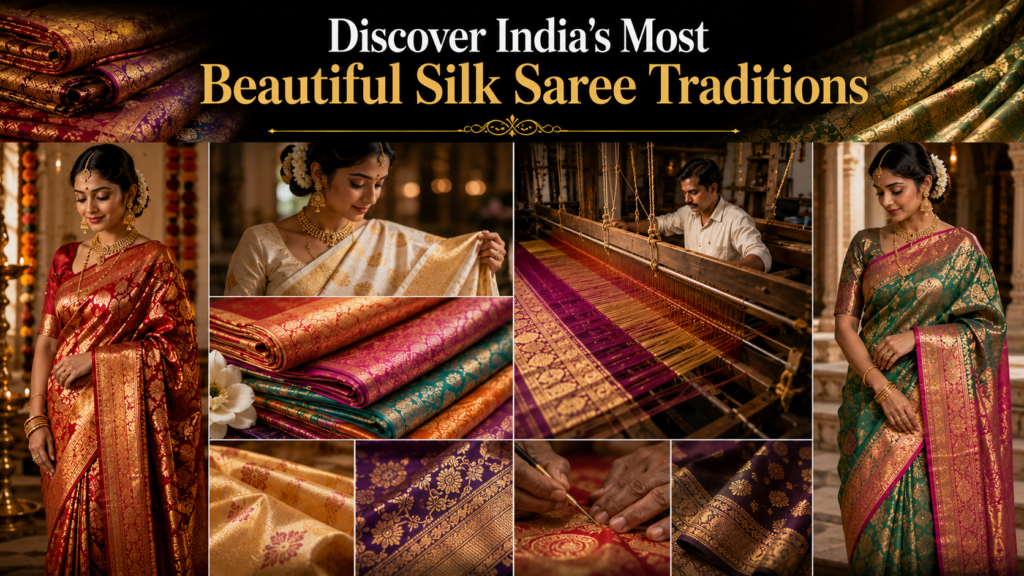
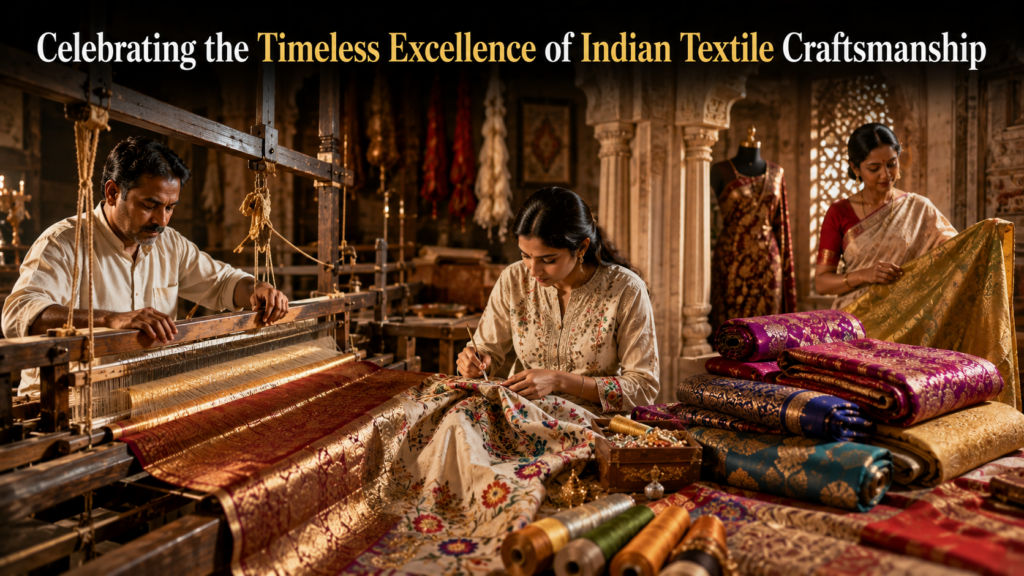
Fashion is often associated with innovation, changing trends, and modern design. However, behind many of today’s most celebrated fashion collections lies a rich foundation of traditional craftsmanship. Among the most influential elements of this heritage are traditional weaving techniques, which have been passed down through generations and continue to inspire contemporary designers worldwide. From handcrafted silk sarees and heritage textiles to luxury runway collections and sustainable fashion movements, traditional weaving remains a powerful force in the fashion industry. These time-honored methods not only preserve cultural identity but also contribute to the creation of unique, high-quality garments that stand apart in an age of mass production. As consumers increasingly value authenticity, sustainability, and craftsmanship, traditional weaving techniques are experiencing a remarkable revival. Understanding their influence helps explain why they continue to play such an important role in shaping modern fashion. Understanding Traditional Weaving Techniques Weaving is one of the oldest textile-making methods in human history. It involves interlacing two sets of threads—warp and weft—to create fabric. While the basic principle remains unchanged, different regions have developed unique weaving styles, patterns, and techniques over centuries. Traditional weaving often relies on handlooms and skilled artisans who dedicate years to mastering their craft. Unlike machine-produced textiles, handwoven fabrics showcase intricate details, subtle variations, and artistic character that make every piece unique. Many of these techniques are deeply connected to local cultures, reflecting regional stories, customs, and artistic traditions through fabric design. The Rich Heritage Behind Handwoven Textiles Traditional weaving represents more than textile production—it embodies generations of knowledge and cultural heritage. Across India and other parts of the world, weaving communities have preserved their craft through centuries of social and economic change. Examples of renowned traditional weaving traditions include: Banarasi Weaving Known for luxurious silk fabrics and intricate zari work, Banarasi weaving remains a symbol of elegance and craftsmanship. These textiles continue to inspire bridal fashion and luxury apparel. Kanjeevaram Silk Weaving Originating in South India, Kanjeevaram weaving is celebrated for its vibrant colors, durability, and detailed borders. Modern designers frequently reinterpret these fabrics for contemporary audiences. Chanderi Weaving Lightweight and sophisticated, Chanderi textiles blend silk and cotton to create elegant fabrics suitable for both traditional and modern garments. Ikat Weaving Ikat involves resist-dyeing threads before weaving, resulting in distinctive patterns that are highly valued in modern fashion collections. Handloom Cotton Traditions Handwoven cotton fabrics remain popular for their comfort, breathability, and eco-friendly qualities, making them increasingly relevant in sustainable fashion. Why Modern Fashion Is Embracing Traditional Weaving As fashion consumers become more conscious about quality and sustainability, traditional weaving techniques offer solutions that align with modern values. Authentic Craftsmanship Today’s consumers appreciate products with a story behind them. Handwoven textiles provide authenticity that mass-produced fabrics often lack. Each handloom fabric reflects the artisan’s skill, making garments feel more personal and meaningful. Superior Quality Traditional weaving techniques often produce durable fabrics designed to last for years. High-quality craftsmanship contributes to better texture, structure, and longevity. Rather than following disposable fashion trends, many consumers now prefer timeless pieces made from premium woven textiles. Unique Designs Handwoven fabrics frequently feature distinctive patterns, motifs, and textures that cannot be perfectly replicated by machines. This uniqueness appeals to fashion brands seeking originality and exclusivity. The Rise of Sustainable Fashion One of the most significant reasons traditional weaving remains relevant today is its connection to sustainability. The fashion industry faces increasing scrutiny regarding environmental impact. Fast fashion contributes to excessive waste, pollution, and resource consumption. Traditional weaving offers a more sustainable alternative by emphasizing: Small-scale production Natural fibers Reduced energy consumption Longer garment lifespan Support for local communities Many handloom weaving processes require minimal industrial machinery, reducing their environmental footprint compared to mass manufacturing systems. As sustainability becomes a priority, handwoven textiles are increasingly viewed as responsible fashion choices. How Designers Incorporate Traditional Weaving Contemporary designers frequently draw inspiration from traditional weaving techniques to create fresh and innovative collections. Fusion Fashion One of the most popular approaches is blending heritage textiles with modern silhouettes. Examples include: Handwoven jackets Contemporary dresses using traditional fabrics Modern co-ord sets crafted from heritage textiles Indo-Western garments featuring woven motifs This fusion allows younger generations to connect with traditional craftsmanship in a modern context. Luxury Fashion Collections Luxury fashion brands often collaborate with artisan communities to develop exclusive woven textiles. Handcrafted fabrics add prestige, authenticity, and artistic value to high-end collections, helping brands differentiate themselves in competitive markets. Textile Innovation Designers increasingly experiment with traditional weaving structures while introducing new colors, materials, and applications. These innovations ensure that heritage techniques remain relevant without losing their cultural essence. The Influence of Traditional Weaving on Global Fashion Traditional weaving is no longer limited to regional markets. Global fashion houses and international designers regularly incorporate woven textiles inspired by cultural traditions. Fashion weeks around the world feature collections showcasing: Handwoven silks Heritage cotton fabrics Artisan-crafted textiles Sustainable woven materials The global appreciation for craftsmanship has elevated traditional weaving from a local art form to an internationally recognized fashion asset. This recognition also helps create economic opportunities for artisan communities while promoting cultural exchange. Empowering Artisan Communities The continued demand for traditional weaving plays a vital role in supporting artisans and preserving heritage skills. By purchasing handwoven garments, consumers contribute to: Rural employment Skill preservation Cultural sustainability Economic development Artisan empowerment Many fashion brands now emphasize ethical sourcing and direct partnerships with weaving communities to ensure fair compensation and long-term sustainability. These initiatives help keep traditional weaving alive for future generations. Technology Meets Tradition While traditional weaving remains rooted in heritage, technology has opened new opportunities for growth. Digital platforms enable artisans and weaving cooperatives to reach global audiences. Social media, e-commerce, and online marketplaces allow consumers to discover handcrafted textiles more easily than ever before. Technology also helps document and preserve weaving techniques, ensuring valuable knowledge is not lost over time. Rather than replacing traditional craftsmanship, technology often serves as a bridge connecting artisans with modern markets. Challenges Facing Traditional Weaving Despite growing appreciation, traditional weaving

The Rich History and Evolution of Indian Sarees Explained
Blog

The Rich History and Evolution of Indian Sarees Explained

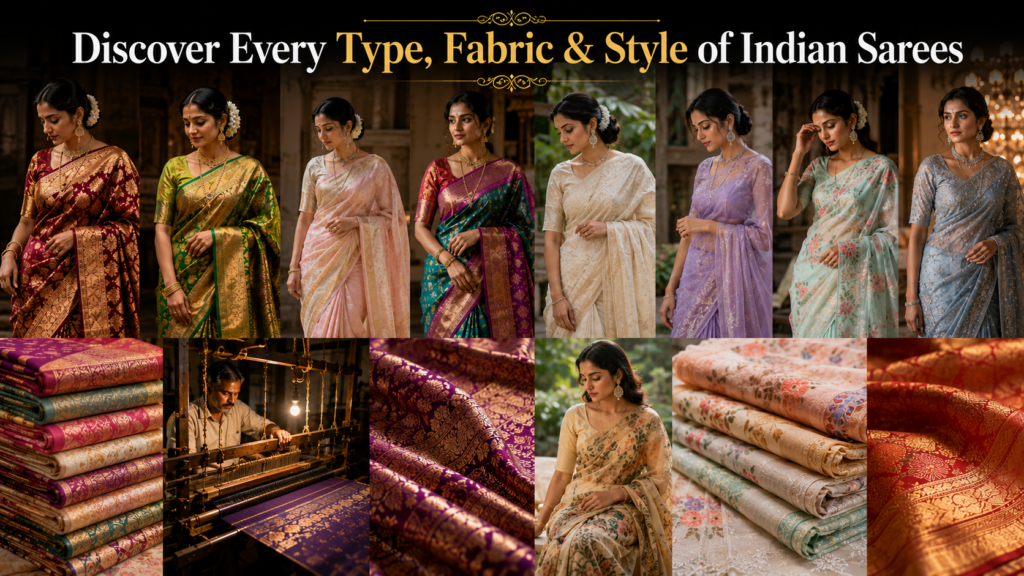
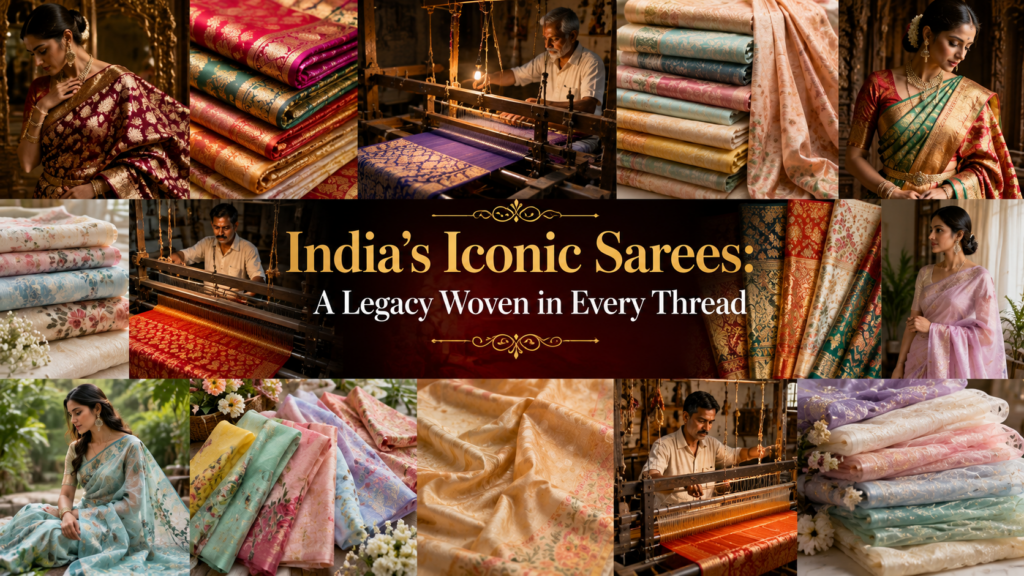
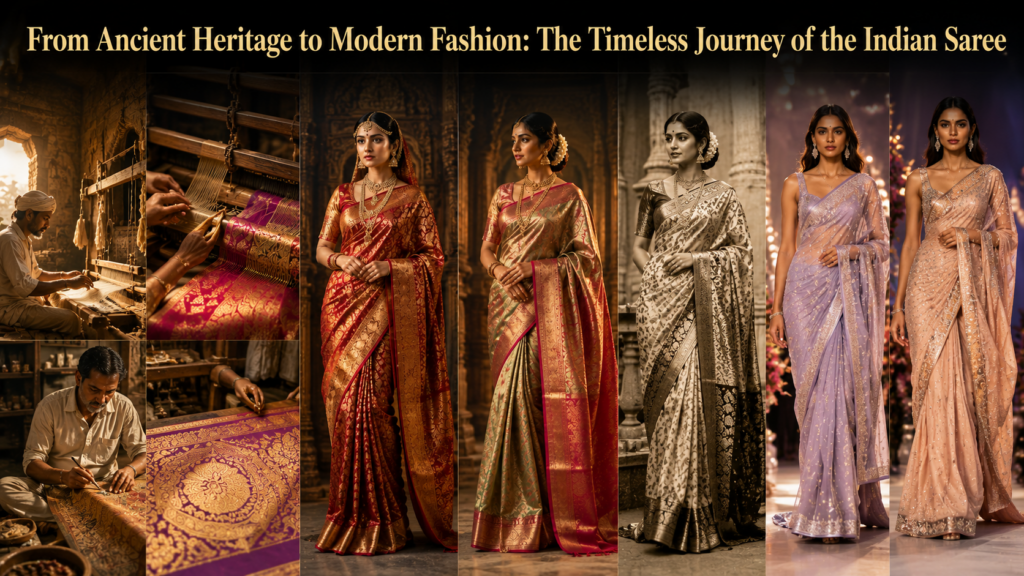
The saree is more than just a piece of clothing—it is a timeless symbol of Indian culture, heritage, and femininity. Worn by millions of women across generations, the saree has remained one of the most iconic garments in the world. While fashion trends come and go, the saree continues to evolve while preserving its traditional roots. From ancient civilizations to contemporary fashion runways, the journey of the Indian saree reflects the country’s rich cultural history, artistic craftsmanship, and changing social landscape. Understanding the history and evolution of Indian sarees offers valuable insight into how this elegant attire became a global symbol of grace and sophistication. The Origins of the Indian Saree The history of the saree dates back more than 5,000 years, making it one of the oldest surviving garments in the world. Historical evidence suggests that draped garments similar to modern sarees were worn during the Indus Valley Civilization around 2800–1800 BCE. Ancient sculptures, paintings, and literary texts depict women wearing unstitched lengths of fabric draped around their bodies. Unlike modern stitched garments, these fabrics provided flexibility, comfort, and adaptability to different climates and lifestyles. The word “saree” is believed to have originated from the Sanskrit term “Sati,” meaning a strip of cloth. Over centuries, this simple draped fabric transformed into a sophisticated garment with regional styles, weaving techniques, and artistic embellishments. Sarees in Ancient India During the Vedic period, clothing was primarily unstitched. Men and women wore garments that could be wrapped and draped in various ways. Sarees became associated with modesty, elegance, and social identity. Ancient Indian literature, including the Rigveda and Mahabharata, contains references to garments resembling sarees. These texts highlight the importance of draped clothing in Indian society and its connection to cultural traditions. During this period, natural fibers such as cotton and silk were widely used. India became renowned for producing high-quality textiles that were exported to many parts of the world. Influence of Different Dynasties The evolution of the saree was significantly shaped by various dynasties and empires that ruled different regions of India. Mauryan and Gupta Periods The Mauryan and Gupta eras are often considered golden ages of Indian art and culture. During these periods, sarees became more refined, featuring decorative borders and intricate weaving techniques. Women from royal families often wore luxurious silk sarees adorned with gold threads and precious embellishments. Textile craftsmanship flourished, laying the foundation for many traditional weaving practices that continue today. Mughal Influence The arrival of the Mughal Empire introduced new artistic elements to Indian textiles. Persian-inspired motifs, floral patterns, embroidery techniques, and rich color palettes became popular. Luxurious fabrics such as silk, brocade, and zari work gained prominence. Mughal influence contributed significantly to the development of iconic saree styles known for their intricate craftsmanship and regal appearance. Regional Diversity in Saree Traditions One of the most remarkable aspects of Indian sarees is their regional diversity. Different states developed unique weaving techniques, fabrics, and draping styles based on local traditions and cultural influences. Banarasi Sarees Originating from Varanasi, Banarasi sarees are famous for their elaborate zari work, intricate patterns, and luxurious silk fabric. They remain a preferred choice for weddings and grand celebrations. Kanjeevaram Sarees Produced in Tamil Nadu, Kanjeevaram sarees are known for their rich silk, vibrant colors, and contrasting borders. These sarees are highly valued for their durability and timeless beauty. Bandhani Sarees Popular in Gujarat and Rajasthan, Bandhani sarees feature intricate tie-dye patterns created through traditional resist-dyeing techniques. Chanderi Sarees Known for their lightweight texture and elegant appearance, Chanderi sarees combine silk and cotton to create graceful garments suitable for various occasions. Tussar Silk Sarees Tussar silk sarees are appreciated for their natural texture, earthy elegance, and handcrafted appeal. They represent India’s rich textile heritage and artisanal craftsmanship. The British Era and Textile Transformation The colonial period brought significant changes to India’s textile industry. British industrialization affected traditional handloom weaving communities, leading to economic challenges for artisans. Despite these difficulties, sarees remained deeply rooted in Indian society. During India’s freedom movement, handwoven sarees became symbols of self-reliance and national pride. The promotion of hand-spun and handwoven fabrics encouraged support for local artisans and helped preserve traditional weaving techniques. Sarees in Modern India Following independence, the saree continued to evolve alongside changing lifestyles and fashion preferences. Urbanization and modernization introduced new fabrics, colors, and designs. Designers began experimenting with contemporary patterns while maintaining traditional craftsmanship. Modern sarees now feature: Lightweight fabrics Digital prints Contemporary embroidery Fusion styling Innovative draping techniques These adaptations have made sarees more versatile and accessible to younger generations. Bollywood’s Role in Popularizing Sarees Indian cinema has played a major role in keeping sarees relevant across generations. Iconic film scenes featuring actresses in elegant sarees have influenced fashion trends for decades. Bollywood helped transform the saree from traditional attire into a glamorous fashion statement. Different draping styles, fabrics, and color combinations showcased on screen often become popular among consumers. Today, celebrities, influencers, and fashion icons continue to inspire saree trends through social media and public appearances. The Global Appeal of Indian Sarees The beauty of Indian sarees has attracted international attention. Fashion enthusiasts worldwide admire sarees for their elegance, versatility, and cultural significance. Global designers have incorporated saree-inspired elements into contemporary collections, while Indian designers regularly showcase sarees on international fashion platforms. The growing appreciation for sustainable and handcrafted fashion has further increased demand for traditional Indian textiles and artisanal weaving techniques. Sustainability and the Future of Sarees As consumers become more conscious about sustainable fashion, sarees are gaining renewed popularity. Their durability, timeless appeal, and handcrafted nature align with modern sustainability values. Handloom sarees support local artisans, preserve traditional skills, and promote environmentally responsible production practices. The future of sarees lies in balancing innovation with tradition. Designers continue to experiment with contemporary aesthetics while honoring centuries-old weaving heritage. Why Sarees Remain Timeless Few garments possess the cultural depth and enduring relevance of the Indian saree. It adapts effortlessly to changing trends while maintaining its traditional identity. Whether worn for weddings,

Scroll to Top