Author name: Abhilasha Raut

Craftsmanship Behind Luxury Saree Collections
Blog

7 Secrets That Reveal the Craftsmanship Behind Luxury Saree Collections

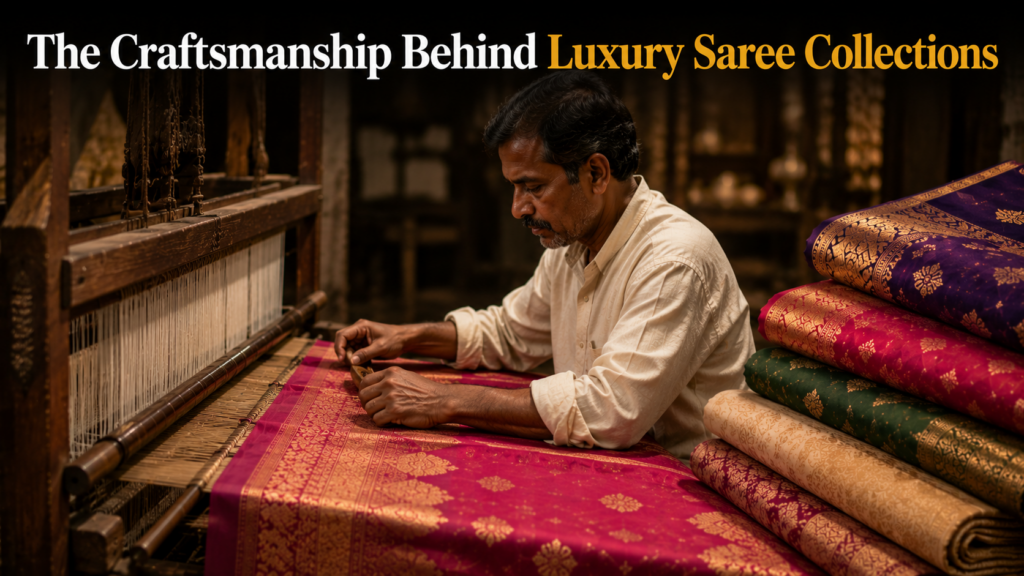
Luxury sarees are much more than beautiful garments. They represent generations of expertise, artistic heritage, and meticulous attention to detail. The Craftsmanship Behind Luxury Saree Collections is what transforms fine fabrics into timeless masterpieces that are admired across generations. From handwoven silk threads and intricate embroidery to centuries-old weaving techniques, every luxury saree tells a story of dedication and skill. Whether it is a Banarasi silk saree, a Kanjivaram masterpiece, a Patola weave, or an exclusive designer creation, the craftsmanship involved is often what determines its beauty, value, and uniqueness. In today’s fast-moving fashion industry, luxury sarees continue to stand apart because they preserve traditional artistry while adapting to modern design preferences. Understanding the Craftsmanship Behind Luxury Saree Collections helps consumers appreciate the remarkable effort that goes into creating these extraordinary pieces. Why the Craftsmanship Behind Luxury Saree Collections Matters The value of a luxury saree extends far beyond the fabric itself. Every detail reflects hours, days, and sometimes months of skilled work. The Craftsmanship Behind Luxury Saree Collections contributes to: Superior quality Exceptional durability Unique artistic appeal Cultural significance Luxury value Heirloom-worthy beauty Unlike mass-produced garments, luxury sarees are often handcrafted by artisans who have spent years perfecting their skills. The Heritage of Traditional Saree Weaving One of the most important aspects of the Craftsmanship Behind Luxury Saree Collections is traditional weaving. India is home to some of the world’s most celebrated weaving traditions, including: Banarasi Weaving Kanjivaram Weaving Patola Weaving Chanderi Weaving Paithani Weaving Tussar Silk Weaving Each technique has been passed down through generations and reflects the cultural identity of its region. These weaving traditions require extraordinary precision and patience, making every saree unique. Handwoven Excellence Defines Luxury Luxury sarees often begin with handloom weaving. Unlike machine production, handloom weaving allows artisans to create: Complex motifs Rich textures Customized designs Intricate borders Detailed patterns The human touch involved in hand weaving creates subtle variations that add character and authenticity. This handwoven excellence is a defining feature of the Craftsmanship Behind Luxury Saree Collections. Premium Fabrics Form the Foundation Exceptional craftsmanship begins with exceptional materials. Luxury saree collections often use premium fabrics such as: Mulberry Silk Kanjivaram Silk Banarasi Silk Organza Silk Tussar Silk Linen Silk Pure Cotton Handlooms These fabrics are selected for their: Texture Strength Durability Natural sheen Comfort The quality of raw materials significantly influences the final appearance and longevity of the saree. Intricate Embroidery Enhances Luxury Sarees Embroidery is another important element of the Craftsmanship Behind Luxury Saree Collections. Skilled artisans spend countless hours creating: Zardozi work Thread embroidery Resham work Mirror work Sequins detailing Hand embellishments These decorative elements add depth, elegance, and exclusivity to the saree. Many luxury sarees require weeks of embroidery work before completion. The Art of Zari Weaving Zari work has been associated with luxury textiles for centuries. Traditional zari involves metallic threads woven into the fabric to create: Borders Floral motifs Geometric patterns Decorative accents High-quality zari work requires exceptional precision and expertise. The incorporation of zari remains one of the most recognizable aspects of the Craftsmanship Behind Luxury Saree Collections. Design Development Requires Creative Expertise Before weaving begins, extensive design planning takes place. Design teams carefully develop: Color palettes Motif layouts Border patterns Pallu designs Contemporary adaptations Luxury saree brands often balance traditional aesthetics with modern fashion trends to create collections that appeal to today’s consumers. This creative process plays a vital role in the Craftsmanship Behind Luxury Saree Collections. The Role of Skilled Artisans At the heart of every luxury saree is the artisan. These craftsmen and craftswomen possess specialized skills developed through years of practice. Their expertise includes: Thread preparation Loom operation Pattern execution Embroidery techniques Finishing work Many artisan families have preserved these traditions for generations. Without their dedication, many heritage weaving techniques would disappear. Quality Control in Luxury Saree Production Luxury sarees undergo strict quality inspections before reaching customers. Quality control typically includes checking: Fabric consistency Weaving precision Embroidery accuracy Color uniformity Finishing quality This attention to detail ensures that every saree meets premium standards. Quality assurance is a critical component of the Craftsmanship Behind Luxury Saree Collections. How Modern Technology Supports Traditional Craftsmanship While traditional methods remain essential, modern technology has enhanced the production process. Technology assists with: Design visualization Pattern development Color matching Quality monitoring However, the core artistic work continues to rely heavily on skilled artisans. Technology supports craftsmanship rather than replacing it. Why Luxury Sarees Are Considered Heirloom Pieces Luxury sarees are often passed down through generations. Their heirloom value comes from: Superior craftsmanship Durable materials Timeless designs Cultural significance Emotional connections A well-maintained luxury saree can remain beautiful for decades, making it a treasured family asset. This longevity reflects the enduring value of the Craftsmanship Behind Luxury Saree Collections. Sustainability and Artisan Craftsmanship As sustainability becomes increasingly important, handcrafted sarees are gaining renewed appreciation. Traditional production methods often involve: Small-batch manufacturing Handloom weaving Reduced industrial waste Long-lasting products These characteristics align closely with modern sustainability goals. Supporting artisan-made sarees also helps preserve traditional skills and local communities. The Future of Luxury Saree Craftsmanship The future of luxury sarees lies in preserving heritage while embracing innovation. Emerging trends include: Sustainable luxury textiles Contemporary traditional designs Digital design integration Global appreciation for artisan products Increased demand for handcrafted fashion Consumers increasingly seek authenticity, quality, and meaningful craftsmanship. This growing demand ensures that the Craftsmanship Behind Luxury Saree Collections will continue to be celebrated worldwide. Conclusion The Craftsmanship Behind Luxury Saree Collections is a remarkable combination of artistry, heritage, skill, and innovation. Every luxury saree represents countless hours of dedication from skilled artisans who transform premium materials into wearable works of art. From traditional weaving and intricate embroidery to modern design development and rigorous quality control, each step contributes to the creation of a timeless masterpiece. As consumers continue to value authenticity, sustainability, and exceptional craftsmanship, luxury sarees remain symbols of elegance, cultural pride, and enduring beauty. Frequently Asked Questions What makes luxury sarees different from regular sarees? Luxury sarees
Why Sarees Continue to Be a Symbol of Grace and Elegance
Blog

9 Powerful Reasons Why Sarees Continue to Be a Symbol of Grace and Elegance

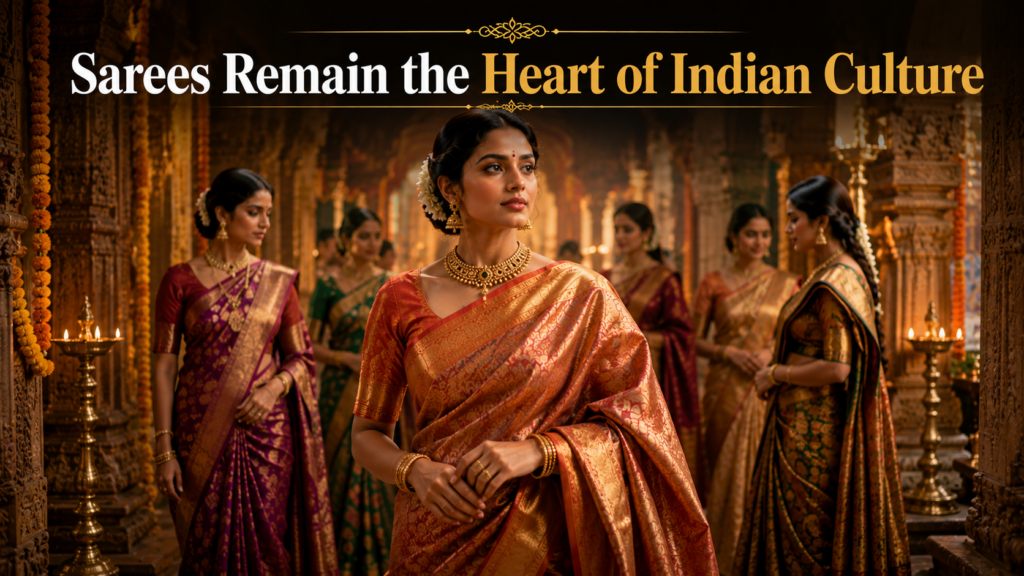
Why Sarees Continue to Be a Symbol of Grace and Elegance is a question that has fascinated fashion enthusiasts, designers, and cultural historians for generations. Despite the rapid evolution of global fashion trends, the saree remains one of the most admired and enduring garments in the world. It transcends age, geography, and changing styles, continuing to represent sophistication, femininity, and cultural heritage. For centuries, women have embraced sarees for weddings, festivals, professional settings, and everyday occasions. The beauty of a saree lies not only in its appearance but also in its ability to adapt to modern lifestyles while preserving traditional values. From luxurious silk sarees to contemporary designer drapes, the saree continues to hold a special place in the world of fashion. In this article, we explore Why Sarees Continue to Be a Symbol of Grace and Elegance and why this timeless garment remains relevant in the modern era. The Rich Cultural Heritage Behind Sarees One of the primary reasons Why Sarees Continue to Be a Symbol of Grace and Elegance is their deep cultural significance. The saree is one of the oldest surviving garments in the world. It has been worn across India for thousands of years and remains closely associated with tradition, heritage, and identity. Different regions have developed unique saree styles, including: Banarasi Sarees Kanjivaram Sarees Patola Sarees Chanderi Sarees Paithani Sarees Tussar Silk Sarees Each weave tells a story of craftsmanship, artistry, and cultural pride. The Saree Celebrates Feminine Elegance Another reason Why Sarees Continue to Be a Symbol of Grace and Elegance is their ability to enhance natural beauty. Unlike many modern garments that follow fixed silhouettes, sarees flow naturally with the body, creating a graceful and flattering appearance. A saree offers: Elegant draping Sophisticated movement Timeless femininity Refined styling options Universal appeal Its fluid design creates an effortless elegance that few garments can match. Sarees Offer Unmatched Versatility One of the most remarkable aspects of the saree is its versatility. Women wear sarees for: Weddings Festivals Corporate events Religious ceremonies Family gatherings Formal celebrations This adaptability explains Why Sarees Continue to Be a Symbol of Grace and Elegance across different occasions and generations. Modern fashion has also introduced innovative draping techniques and contemporary blouse designs that make sarees suitable for today’s lifestyle. Traditional Craftsmanship Enhances Their Appeal The exceptional craftsmanship involved in saree production contributes significantly to their enduring popularity. Many sarees feature: Hand weaving Intricate embroidery Zari work Hand block printing Traditional dyeing techniques These artistic elements transform sarees into wearable works of art. The appreciation for skilled craftsmanship is another reason Why Sarees Continue to Be a Symbol of Grace and Elegance in the fashion industry. Silk Sarees Represent Luxury and Sophistication Silk sarees have long been associated with luxury and prestige. Premium silk varieties such as Banarasi, Kanjivaram, and Patola are admired for their: Rich texture Natural sheen Exceptional durability Intricate weaving Regal appearance Silk sarees often become family heirlooms, passed down through generations. Their timeless beauty further explains Why Sarees Continue to Be a Symbol of Grace and Elegance even in modern fashion. Sarees Blend Tradition with Contemporary Fashion Modern designers have successfully adapted sarees for contemporary audiences. Today’s fashion landscape includes: Designer sarees Pre-stitched sarees Fusion sarees Contemporary draping styles Minimalist saree designs This evolution allows women to embrace cultural heritage while staying aligned with current trends. The ability to balance tradition and innovation is a major factor in Why Sarees Continue to Be a Symbol of Grace and Elegance. Sarees Reflect Personal Identity Fashion is often used as a form of self-expression, and sarees offer endless possibilities for personalization. Women can express their personality through: Fabric selection Color combinations Weaving styles Embellishments Draping techniques Accessories This freedom of expression makes sarees uniquely personal and emotionally meaningful. As a result, they continue to be valued by women of all ages. Sarees Promote Sustainable Fashion As consumers become more conscious of sustainability, traditional garments are gaining renewed appreciation. Many sarees are produced using: Handloom weaving Natural fibers Artisan craftsmanship Small-scale production methods These practices often have a lower environmental impact compared to fast fashion manufacturing. Sustainability is becoming another important reason Why Sarees Continue to Be a Symbol of Grace and Elegance in the modern era. Sarees Create Lasting Memories For many women, sarees are closely connected to life’s most important moments. They are often worn during: Weddings Engagement ceremonies Religious festivals Family celebrations Cultural events These emotional connections transform sarees into treasured possessions. Unlike many fashion trends that come and go, sarees become part of personal and family history. The Global Recognition of Sarees The saree is no longer appreciated only in India. International designers, celebrities, and fashion enthusiasts have embraced sarees for their beauty and uniqueness. Global fashion events increasingly showcase traditional Indian textiles and saree-inspired designs. This growing international recognition further demonstrates Why Sarees Continue to Be a Symbol of Grace and Elegance worldwide. Why Younger Generations Continue to Embrace Sarees Many people assume sarees appeal only to older generations, but this is far from reality. Younger women are embracing sarees because they offer: Cultural connection Individuality Fashion versatility Sustainable style choices Social media appeal Contemporary styling has made sarees more accessible and attractive to modern audiences. As a result, the saree continues to evolve while maintaining its timeless charm. The Future of Saree Fashion The future of sarees looks exceptionally bright. Emerging trends include: Sustainable handloom sarees Digital textile innovation Contemporary draping methods Luxury designer collaborations Heritage-inspired fashion collections These developments ensure that sarees remain relevant in a rapidly changing fashion landscape. The ability to adapt while preserving tradition is one of the strongest reasons Why Sarees Continue to Be a Symbol of Grace and Elegance. Conclusion Why Sarees Continue to Be a Symbol of Grace and Elegance can be answered through their rich heritage, exceptional craftsmanship, versatility, and timeless appeal. Few garments possess the unique ability to combine cultural significance with contemporary relevance as successfully as the saree. Whether crafted from luxurious silk, adorned

Caring for Premium Silk and Designer Sarees
Blog

Caring for Premium Silk and Designer Sarees | 9 Expert Care Tips

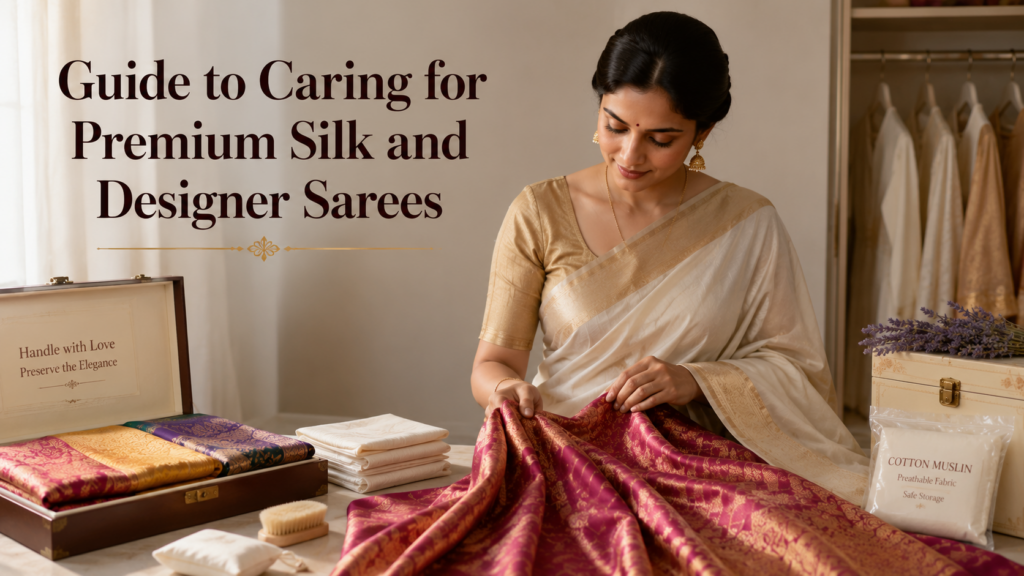
Caring for Premium Silk and Designer Sarees is essential for preserving their elegance, texture, and value for years to come. A beautifully crafted silk saree is much more than a fashion statement. It represents heritage, craftsmanship, tradition, and timeless sophistication. Whether you own a Banarasi silk saree, Kanjivaram saree, Paithani saree, Organza silk saree, or an exclusive designer creation, proper maintenance ensures that your investment remains beautiful for generations. Many saree owners unknowingly damage expensive silk sarees through improper washing, incorrect storage methods, and exposure to sunlight or moisture. Fortunately, with the right care techniques, you can keep your treasured collection looking as luxurious as the day you purchased it. This complete guide explains everything you need to know about Caring for Premium Silk and Designer Sarees, including storage, cleaning, ironing, stain removal, and long-term preservation. Why Caring for Premium Silk and Designer Sarees Matters Premium silk sarees are made from delicate natural fibers that require special attention. Unlike synthetic fabrics, silk is sensitive to heat, moisture, harsh chemicals, and rough handling. Proper saree care helps: Maintain natural shine and softness Protect intricate zari work Preserve fabric strength Prevent fading and discoloration Extend the life of the saree Maintain heirloom and resale value Luxury sarees often carry sentimental and financial value. Proper maintenance protects both. Understanding Silk Fabric Before Caring for Premium Silk and Designer Sarees Before learning specific care methods, it helps to understand why silk needs special treatment. Silk is known for: Natural sheen Smooth texture Lightweight feel Elegant drape Breathability Luxurious appearance However, silk can be damaged by: Direct sunlight Excess moisture Strong detergents Rough handling Incorrect folding Understanding these characteristics makes Caring for Premium Silk and Designer Sarees much easier. Tip 1: Store Silk Sarees Correctly Storage is one of the most important aspects of maintaining premium sarees. Best Storage Practices Wrap sarees in muslin or cotton cloth. Store in a cool and dry location. Avoid humid areas. Keep away from direct sunlight. Refold periodically. Natural fabrics allow airflow while protecting silk from dust and moisture. Avoid Plastic Covers Plastic traps humidity and prevents proper ventilation. Over time, trapped moisture can weaken fibers and affect zari work. For long-term preservation, breathable cotton covers are always a better choice. Tip 2: Refold Sarees Every Three to Six Months A common mistake people make is leaving sarees folded in the same position for years. Repeated pressure on the same fold line can weaken silk fibers and create permanent creases. Benefits of regular refolding include: Better air circulation Reduced fabric stress Prevention of fold-line damage Improved longevity This simple habit significantly improves the results of Caring for Premium Silk and Designer Sarees. Tip 3: Choose Professional Dry Cleaning Professional dry cleaning is highly recommended for silk sarees. Why Dry Cleaning Is Better Professional cleaners understand how to handle delicate fabrics and embellishments. Advantages include: Color preservation Safe stain removal Protection of zari work Reduced risk of shrinkage Home washing may damage delicate fibers and decorative elements. Tip 4: Protect Sarees from Perfumes and Cosmetics Many people spray perfume after wearing a saree. This can be harmful. Perfumes often contain alcohol and chemicals that may: Stain silk Damage fibers Affect zari threads Cause discoloration Best Practice Apply perfume, deodorant, and cosmetics before wearing your saree and allow them to dry completely. This small precaution can make a big difference in Caring for Premium Silk and Designer Sarees. Tip 5: Remove Stains Carefully Stains should be addressed immediately to prevent permanent damage. What To Do When a Stain Occurs Blot gently with a clean cloth. Avoid rubbing the area. Do not use harsh stain removers. Consult a professional cleaner. Rubbing can spread the stain deeper into the silk fibers, making removal more difficult. Tip 6: Keep Silk Sarees Away from Direct Sunlight Sunlight may seem harmless, but prolonged exposure can damage silk. Potential effects include: Color fading Fiber weakening Reduced shine Fabric dryness Safe Airing Method Instead of placing sarees in direct sunlight: Use a shaded location. Ensure adequate airflow. Limit exposure time. This keeps sarees fresh without damaging delicate fibers. Tip 7: Iron Silk Sarees Properly Improper ironing can permanently damage silk fabric. Safe Ironing Tips Use low heat settings. Iron from the reverse side. Place a cotton cloth between the iron and fabric. Avoid direct heat on embellishments. For expensive designer sarees, professional steam pressing is often the safest choice. Tip 8: Give Extra Care to Zari Work Many premium sarees feature intricate zari detailing. To preserve zari: Keep away from moisture. Avoid direct ironing. Store separately from rough fabrics. Use soft protective wrapping. Proper zari maintenance helps preserve the saree’s luxurious appearance. Tip 9: Use Padded Hangers for Short-Term Storage Some designer sarees include heavy embroidery, sequins, and embellishments. For short-term storage: Use padded hangers. Avoid wire hangers. Support heavy sections properly. For long-term storage, folded storage remains the preferred method. Common Mistakes to Avoid When Caring for Premium Silk and Designer Sarees Many silk sarees are damaged because of avoidable mistakes. Storing Sarees in Plastic Plastic traps moisture and promotes fabric deterioration. Using Strong Detergents Harsh chemicals can weaken silk fibers. Ignoring Small Stains Minor stains often become permanent if left untreated. Excessive Sun Exposure Can cause irreversible fading. Hanging Heavy Sarees for Long Periods May distort the shape and stretch delicate fabric. Avoiding these mistakes is just as important as following good care practices. Building a Long-Lasting Silk Saree Collection A well-maintained saree collection becomes more valuable over time. Create a maintenance routine that includes: Periodic inspection Refolding every few months Professional dry cleaning Proper storage Protection from moisture Consistent care ensures that every saree retains its beauty and elegance. The Importance of Investing in Proper Saree Care Premium silk sarees are often worn during weddings, festivals, celebrations, and important family occasions. Because these garments carry emotional value, preserving them properly becomes even more important. When you focus on Caring for Premium Silk and Designer Sarees, you are not only protecting fabric but also preserving

Tradition and Contemporary Fashion: A Complete Style Guide
Blog

7 Powerful Ways Tradition and Contemporary Fashion Are Shaping Modern Style

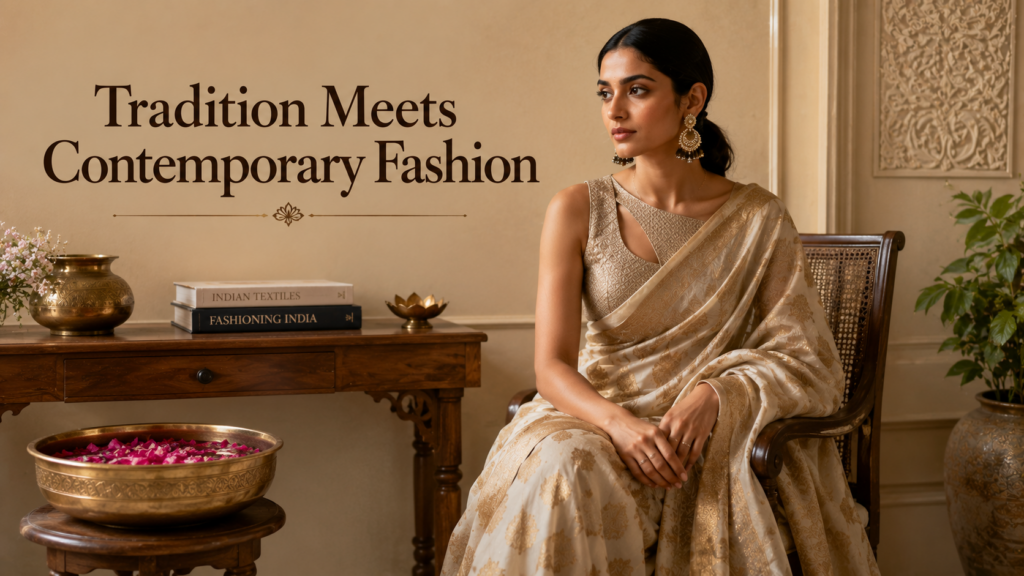
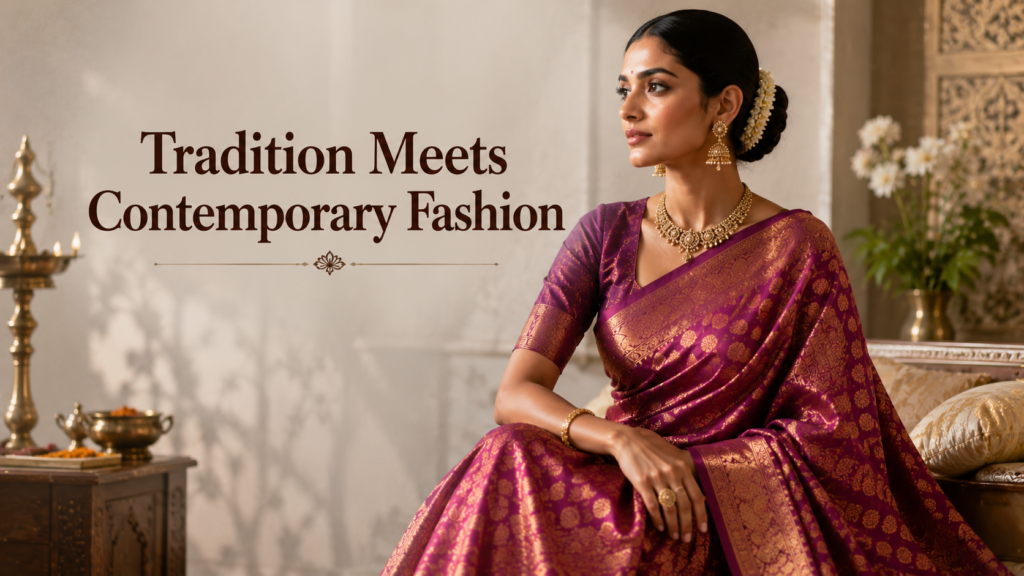
Fashion is constantly evolving, yet some of its most influential elements come from centuries-old traditions. Across the world, designers are increasingly blending cultural heritage with modern aesthetics, creating styles that feel both timeless and relevant. This growing relationship between Tradition and Contemporary Fashion has transformed the way people dress, allowing them to celebrate cultural identity while embracing modern trends. From handcrafted textiles and traditional embroidery techniques to modern silhouettes and sustainable production methods, the connection between tradition and contemporary fashion is stronger than ever. Today’s consumers appreciate garments that tell a story while offering comfort, versatility, and sophistication. In this guide, we explore how Tradition and Contemporary Fashion work together to shape the future of style and why this fusion continues to influence global fashion trends. Understanding the Relationship Between Tradition and Contemporary Fashion The relationship between Tradition and Contemporary Fashion is built on balance. Traditional fashion represents cultural heritage, craftsmanship, and historical significance, while contemporary fashion focuses on innovation, functionality, and evolving consumer preferences. When these two worlds combine, they create designs that preserve cultural identity while remaining relevant to modern lifestyles. Examples include: Traditional embroidery on modern silhouettes Heritage weaving techniques in contemporary garments Classic sarees styled with modern accessories Ethnic fabrics used in western-inspired designs Sustainable fashion inspired by traditional craftsmanship This fusion has become one of the most important movements in the fashion industry. How Heritage Textiles Influence Contemporary Fashion One of the strongest connections between Tradition and Contemporary Fashion can be seen in the use of heritage textiles. Traditional fabrics such as: Banarasi silk Kanjivaram silk Chanderi Linen weaves Handloom cotton Tussar silk continue to inspire designers worldwide. These textiles bring authenticity, texture, and uniqueness to modern fashion collections. Rather than replacing traditional materials, contemporary fashion often reinterprets them in innovative ways. As consumers become more interested in quality and craftsmanship, heritage textiles remain highly valued in modern wardrobes. Traditional Craftsmanship Meets Modern Design Craftsmanship is another important bridge between Tradition and Contemporary Fashion. Handcrafted techniques such as: Hand weaving Block printing Zari work Hand embroidery Mirror work Natural dyeing have been practiced for generations. Modern designers are incorporating these traditional skills into contemporary garments, making them more accessible to younger audiences. This approach helps preserve artisan communities while creating fashion pieces that stand out in a market dominated by mass production. The Rise of Fusion Fashion Fusion fashion has become one of the clearest examples of Tradition and Contemporary Fashion working together. Fusion fashion combines traditional elements with modern styling. Popular examples include: Sarees paired with belts Ethnic jackets worn with jeans Contemporary blouses with traditional sarees Indo-western dresses Handloom fabrics in modern silhouettes These combinations allow individuals to express cultural pride while adapting to modern lifestyles. Fusion fashion is especially popular among younger generations who seek versatility and individuality in their clothing choices. Why Consumers Value Tradition and Contemporary Fashion Consumer preferences have evolved significantly over the past decade. Modern shoppers increasingly value: Authenticity Sustainability Cultural significance Quality craftsmanship Timeless design The combination of Tradition and Contemporary Fashion satisfies all these expectations. Rather than purchasing fast-fashion items that quickly go out of style, many consumers prefer garments that offer lasting value and meaningful stories. This shift has encouraged fashion brands to invest more heavily in heritage-inspired collections. Sustainability and the Role of Traditional Techniques Sustainability has become a major focus in the global fashion industry. Interestingly, many traditional textile practices naturally align with sustainable principles. Examples include: Handloom weaving Natural dyeing methods Small-batch production Artisan craftsmanship Durable fabric construction These methods often have a lower environmental impact compared to large-scale industrial production. As sustainability becomes increasingly important, the connection between Tradition and Contemporary Fashion continues to strengthen. Many brands are now looking to traditional techniques as solutions for creating environmentally responsible fashion. The Influence of Tradition on Luxury Fashion Luxury fashion brands frequently draw inspiration from cultural traditions and artisanal craftsmanship. Premium fashion consumers often seek: Exclusive designs High-quality fabrics Handcrafted details Heritage-inspired aesthetics Traditional textile techniques provide exactly these qualities. Whether it is handwoven silk, intricate embroidery, or artisan-created embellishments, traditional craftsmanship enhances the exclusivity and value of luxury fashion pieces. This makes Tradition and Contemporary Fashion a powerful combination in the premium fashion segment. How Technology Is Supporting Traditional Fashion Technology is playing an important role in preserving and promoting traditional craftsmanship. Digital tools now help fashion brands: Showcase artisan work globally Improve production efficiency Reach new markets Educate consumers about textile heritage Preserve traditional design techniques Technology allows traditional craftsmanship to remain relevant in a rapidly changing fashion landscape. As a result, the relationship between Tradition and Contemporary Fashion continues to evolve and expand. The Future of Tradition and Contemporary Fashion The future of fashion is unlikely to be purely traditional or purely modern. Instead, the industry is moving toward a balanced approach that values both innovation and heritage. Future trends may include: Greater use of sustainable handloom fabrics More collaboration with artisan communities Increased demand for heritage-inspired luxury fashion Technology-enhanced traditional craftsmanship Personalized fusion fashion experiences Consumers increasingly want fashion that reflects both personal identity and cultural appreciation. This trend suggests that the connection between Tradition and Contemporary Fashion will remain a major influence for years to come. Why This Fashion Movement Matters Fashion is more than clothing—it is a reflection of culture, history, and individual expression. By combining traditional craftsmanship with contemporary design, fashion brands can create garments that are both meaningful and practical. This approach supports artisans, preserves heritage, encourages sustainability, and offers consumers unique alternatives to mass-produced fashion. The growing appreciation for Tradition and Contemporary Fashion demonstrates that innovation does not require abandoning the past. Instead, the future of fashion often builds upon its richest traditions. Conclusion The relationship between Tradition and Contemporary Fashion represents one of the most exciting developments in the fashion industry today. By blending heritage textiles, traditional craftsmanship, and modern design principles, fashion creators are producing garments that honor the past while embracing the future. As consumers continue to seek authenticity,

Ethical Textile Manufacturing Matters
Blog

11 Powerful Reasons Why Ethical Textile Manufacturing Matters Today

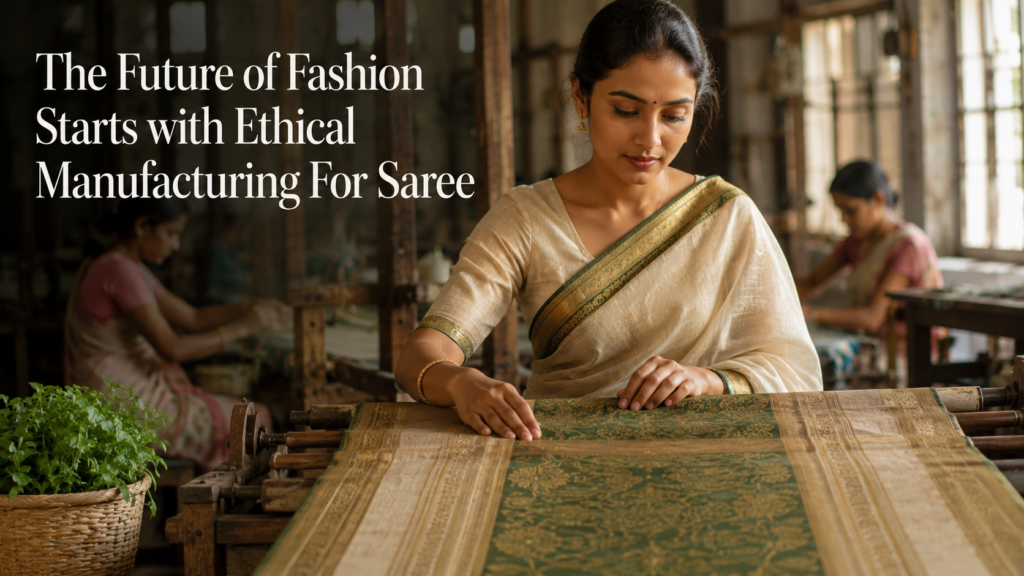
Ethical Textile Manufacturing Matters now more than ever as consumers become increasingly aware of how their clothing is made. The textile industry is one of the largest industries in the world, supplying fabrics for fashion, home furnishings, and countless other products. However, behind every garment lies a production process that can have significant social, environmental, and economic impacts. In recent years, ethical manufacturing has emerged as a crucial topic within the fashion and textile sectors. Consumers are no longer focused solely on style and price. They also want to know whether products are made responsibly, workers are treated fairly, and environmental resources are protected. Understanding why Ethical Textile Manufacturing Matters helps consumers make informed purchasing decisions while supporting a more sustainable and responsible future for the textile industry. What Is Ethical Textile Manufacturing? Ethical textile manufacturing refers to the responsible production of fabrics and textile products while prioritizing: Fair labor practices Safe working conditions Environmental sustainability Transparency Responsible sourcing Community welfare The goal is to create high-quality textiles without compromising human rights or environmental health. As global awareness grows, more brands and manufacturers are adopting ethical practices throughout their supply chains. Why Ethical Textile Manufacturing Matters The textile industry affects millions of workers and consumes significant natural resources. Ethical production helps address critical issues such as: Worker exploitation Environmental pollution Resource depletion Unsafe workplaces Unsustainable production methods This is why Ethical Textile Manufacturing Matters for businesses, consumers, and society as a whole. 1. Protects Workers’ Rights One of the primary reasons Ethical Textile Manufacturing Matters is the protection of workers. Ethical manufacturers prioritize: Fair wages Reasonable working hours Safe environments Respectful treatment Employee well-being Workers are the foundation of the textile industry, and their rights should always be protected. Responsible production creates healthier and more sustainable workplaces. 2. Promotes Safe Working Conditions Textile production can involve machinery, chemicals, and complex manufacturing processes. Ethical factories invest in: Workplace safety measures Employee training Protective equipment Emergency procedures Safe working environments reduce risks and improve overall productivity. Consumers increasingly support brands that prioritize worker safety. 3. Reduces Environmental Impact The textile industry can place significant pressure on natural resources. Ethical manufacturing helps reduce: Water consumption Chemical pollution Energy waste Carbon emissions Sustainable production practices help preserve ecosystems and protect future generations. Environmental responsibility is a key reason Ethical Textile Manufacturing Matters in modern fashion. 4. Encourages Sustainable Resource Use Responsible textile production focuses on efficient resource management. Examples include: Organic fibers Recycled materials Water conservation Renewable energy These practices help reduce waste while improving long-term sustainability. Consumers increasingly prefer products that minimize environmental impact. 5. Improves Product Quality Ethical production often goes hand in hand with higher quality standards. Responsible manufacturers typically focus on: Better materials Skilled craftsmanship Careful quality control Durable construction As a result, products often last longer and provide greater value. This demonstrates another reason Ethical Textile Manufacturing Matters beyond environmental concerns. 6. Supports Artisan Communities Many traditional textile industries rely on skilled artisans. Ethical manufacturing helps preserve: Handloom weaving Traditional dyeing Regional textile techniques Cultural craftsmanship Supporting ethical production helps sustain local economies and protect cultural heritage. This is particularly important in countries with rich textile traditions such as India. 7. Increases Supply Chain Transparency Consumers today want greater visibility into how products are made. Ethical manufacturers often provide information about: Material sourcing Production methods Labor standards Sustainability initiatives Transparency builds trust between brands and consumers. The demand for accountability continues to grow throughout the fashion industry. 8. Reduces Waste Generation Textile waste is a major global challenge. Ethical manufacturing promotes: Efficient production Material optimization Recycling initiatives Circular economy practices Reducing waste benefits both businesses and the environment. This is another important reason Ethical Textile Manufacturing Matters in contemporary textile production. 9. Supports Long-Term Industry Growth Short-term cost-cutting strategies may create long-term problems. Ethical practices help build: Stable supply chains Skilled workforces Consumer trust Sustainable business models Responsible manufacturing supports industry resilience and future growth. 10. Meets Consumer Expectations Modern consumers increasingly prioritize values alongside price and style. Many shoppers actively seek: Ethical sourcing Sustainable production Fair labor practices Responsible brands Businesses that adopt ethical manufacturing are often better positioned to meet evolving market expectations. 11. Creates a Better Future for Fashion The future of fashion depends on responsible production. Ethical manufacturing contributes to: Environmental protection Social responsibility Economic sustainability Industry innovation These benefits extend far beyond individual products. The growing movement toward responsible fashion highlights why Ethical Textile Manufacturing Matters for future generations. Ethical Manufacturing vs Conventional Manufacturing Ethical Manufacturing Conventional Manufacturing Fair labor practices Labor concerns may exist Environmental focus Higher environmental impact Sustainable sourcing Resource-intensive sourcing Transparency Limited visibility Long-term sustainability Short-term priorities This comparison illustrates the broader benefits of ethical production practices. How Consumers Can Support Ethical Textile Manufacturing Consumers play an important role in driving positive change. Ways to support ethical production include: Research Brands Learn about sourcing and manufacturing practices. Choose Quality Over Quantity Invest in durable products that last longer. Support Responsible Businesses Purchase from brands that prioritize ethical values. Value Craftsmanship Support artisans and traditional textile communities. Every purchasing decision contributes to shaping industry standards. Ethical Manufacturing in Indian Textiles India has a rich textile heritage built on craftsmanship and innovation. Ethical manufacturing supports: Handloom communities Traditional weaving Sustainable production Artisan livelihoods As global demand for responsible fashion grows, ethical textile production is becoming increasingly important for preserving India’s textile legacy. The Future of Ethical Textile Manufacturing Several trends are shaping the future of the industry: Sustainable fibers Circular fashion models Renewable energy adoption Digital supply chain tracking Increased transparency These innovations will help create a more responsible and sustainable textile ecosystem. Conclusion Ethical Textile Manufacturing Matters because it protects workers, reduces environmental impact, improves product quality, supports communities, and promotes long-term sustainability. As consumers become more conscious of how products are made, ethical production is no longer optional—it is becoming an essential part of responsible business practices. By supporting ethical textile manufacturing, consumers help create a future where fashion

Popular Saree Weaves Every Woman Should Know
Blog

12 Popular Saree Weaves Every Woman Should Know Before Buying

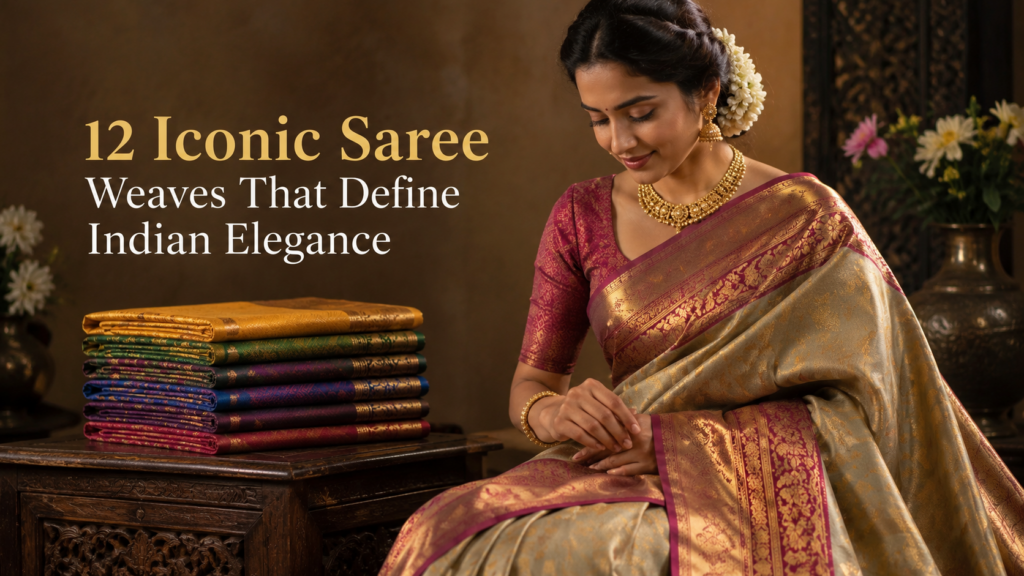
Popular Saree Weaves are at the heart of India’s rich textile heritage. While fabric and design often attract immediate attention, the weaving technique is what truly defines the beauty, durability, texture, and uniqueness of a saree. Every region in India has developed distinctive weaving traditions that reflect its culture, artistry, and craftsmanship. From the luxurious Banarasi weave of Uttar Pradesh to the intricate Patola weave of Gujarat, Indian sarees showcase centuries of weaving excellence. Understanding these weaving styles helps women make informed purchasing decisions and appreciate the extraordinary skill behind every handcrafted saree. This guide explores the most renowned Popular Saree Weaves that every woman should know before investing in a saree. Why Saree Weaves Matter The weave determines: Fabric texture Durability Drape Appearance Craftsmanship value Cultural significance Even when two sarees use the same fabric, their weaving techniques can create entirely different looks and performance characteristics. Understanding Popular Saree Weaves allows buyers to choose sarees that align with their preferences and occasions. 1. Banarasi Weave Originating from Varanasi, Banarasi sarees are among India’s most celebrated textiles. Key Features Intricate zari work Mughal-inspired motifs Rich silk construction Luxurious appearance Best For Weddings Festive celebrations Bridal wear Banarasi remains one of the most sought-after Popular Saree Weaves because of its timeless elegance and heritage value. 2. Kanjeevaram Weave The Kanjeevaram weave originates from Tamil Nadu and is famous for its durability and vibrant colors. Key Features Heavy silk fabric Contrasting borders Rich traditional motifs Exceptional craftsmanship Best For Weddings Religious ceremonies Family celebrations These sarees are often passed down through generations as treasured heirlooms. 3. Patola Weave Patola weaving from Gujarat is one of India’s most complex textile traditions. Key Features Double ikat technique Geometric patterns Precise craftsmanship Vibrant colors Best For Special occasions Luxury collections Cultural events Patola sarees are highly valued for their rarity and artistic excellence. 4. Chanderi Weave Chanderi sarees are known for their lightweight beauty and refined elegance. Key Features Fine texture Lightweight construction Subtle sheen Delicate appearance Best For Summer events Festive gatherings Formal occasions The Chanderi tradition continues to be one of the most respected Popular Saree Weaves in India. 5. Jamdani Weave Jamdani is an intricate handloom weaving technique known for artistic motifs woven directly into the fabric. Key Features Handwoven patterns Floral motifs Lightweight feel Exceptional artistry Best For Traditional occasions Cultural celebrations Elegant daywear Jamdani weaving showcases remarkable patience and craftsmanship. 6. Paithani Weave Originating from Maharashtra, Paithani sarees are recognized for their colorful borders and artistic pallu designs. Key Features Peacock motifs Vibrant colors Silk construction Handwoven artistry Best For Weddings Festivals Traditional celebrations Paithani remains one of the most treasured weaving traditions in India. 7. Tussar Silk Weave Tussar weaving highlights the natural beauty of wild silk fibers. Key Features Textured finish Natural golden sheen Lightweight comfort Organic appearance Best For Formal events Cultural functions Contemporary ethnic wear Tussar sarees offer a distinctive balance between luxury and simplicity. 8. Maheshwari Weave Maheshwari sarees originated in Madhya Pradesh and combine elegance with practicality. Key Features Lightweight structure Reversible borders Fine weaving Comfortable drape Best For Office wear Social events Daily elegance Their versatility makes them highly popular among modern women. 9. Kota Doria Weave Kota Doria weaving is famous for its lightweight transparency and airy comfort. Key Features Checkered pattern Breathable fabric Lightweight texture Elegant appearance Best For Summer wear Casual events Everyday sophistication The unique weave structure makes Kota Doria easily recognizable. 10. Baluchari Weave Baluchari sarees are admired for their storytelling motifs woven into the pallu. Key Features Detailed narrative designs Rich silk fabric Traditional themes Artistic craftsmanship Best For Cultural functions Heritage collections Festive occasions Baluchari weaving preserves historical storytelling through textiles. 11. Sambalpuri Weave This Odisha weaving tradition is known for its intricate ikat techniques. Key Features Detailed geometric patterns Vibrant color combinations Handcrafted excellence Distinctive designs Best For Festivals Traditional events Cultural celebrations Sambalpuri sarees represent Odisha’s rich textile heritage. 12. Gadwal Weave Gadwal sarees from Telangana are celebrated for combining lightweight bodies with richly woven borders. Key Features Contrasting silk borders Comfortable wear Traditional motifs Fine craftsmanship Best For Weddings Religious occasions Formal gatherings Gadwal weaving beautifully balances practicality and luxury. Comparison of Popular Saree Weaves Saree Weave Region Best Known For Banarasi Uttar Pradesh Zari Work Kanjeevaram Tamil Nadu Silk Durability Patola Gujarat Double Ikat Chanderi Madhya Pradesh Lightweight Elegance Jamdani West Bengal Woven Motifs Paithani Maharashtra Peacock Designs Maheshwari Madhya Pradesh Versatility Kota Doria Rajasthan Airy Comfort Sambalpuri Odisha Ikat Patterns Gadwal Telangana Contrasting Borders How to Choose the Right Saree Weave When selecting from various Popular Saree Weaves, consider: Occasion Different weaves suit different events. Climate Lightweight weaves perform better in warmer conditions. Comfort Choose styles that match your lifestyle. Budget Handcrafted sarees often command premium prices due to their artistry. Personal Style Select designs that reflect your individual preferences. Why Handwoven Sarees Are Valuable Handwoven sarees offer: Unique craftsmanship Superior detailing Cultural authenticity Artisan support Heritage preservation Every handcrafted saree represents countless hours of dedication and expertise. Conclusion Popular Saree Weaves are an essential part of India’s textile legacy. Each weaving tradition carries its own history, cultural significance, and artistic identity. Whether you prefer the grandeur of Banarasi silk, the elegance of Chanderi, or the intricate beauty of Patola, understanding these weaving styles helps you appreciate the craftsmanship behind every saree. By learning about these iconic weaves, women can make informed purchasing decisions and invest in sarees that combine beauty, tradition, and lasting value. Frequently Asked Questions What are the most Popular Saree Weaves in India? Banarasi, Kanjeevaram, Patola, Chanderi, Jamdani, Paithani, Maheshwari, and Sambalpuri are among the most Popular Saree Weaves. Which saree weave is best for weddings? Banarasi, Kanjeevaram, and Paithani sarees are highly preferred for weddings. What makes Patola weaving special? Patola uses a complex double ikat technique that requires exceptional skill and precision. Are handwoven sarees worth the investment? Yes. Handwoven sarees offer superior craftsmanship, authenticity, and long-term value. Why should women understand Popular Saree

Long-Lasting Saree Fabrics
Blog

Long-Lasting Saree Fabrics: Secrets Behind Sarees That Last for Years

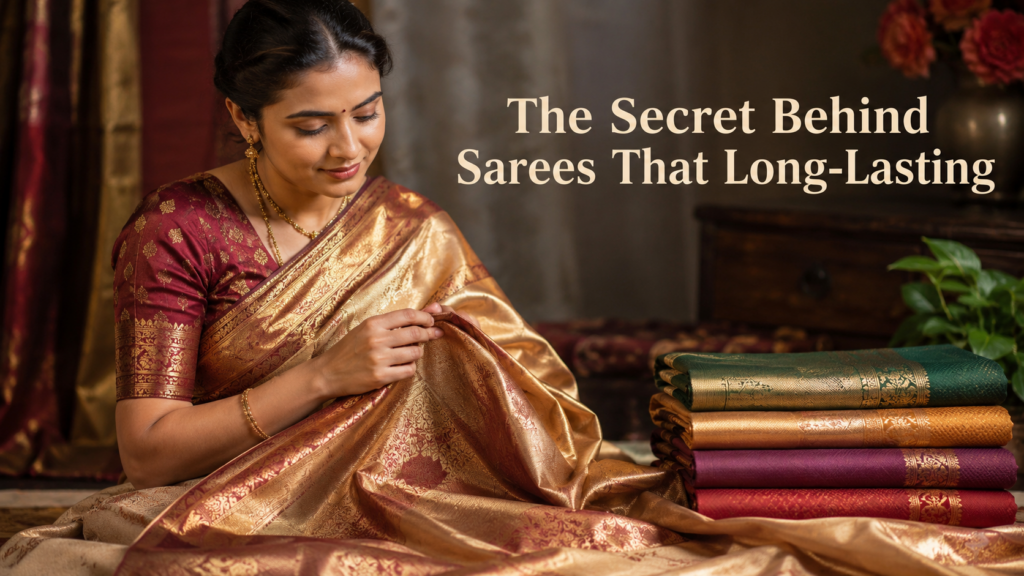
Long-Lasting Saree Fabrics are the foundation of timeless elegance. While fashion trends may evolve, a well-crafted saree can remain beautiful and wearable for decades. Many women own treasured sarees that have been passed down through generations, maintaining their charm, texture, and value over time. The secret behind such durability is not luck. It is the result of superior raw materials, expert weaving techniques, quality dyeing processes, and proper fabric care. Understanding what makes Long-Lasting Saree Fabrics different can help buyers make smarter investments and enjoy greater value from their wardrobe. we believe that quality textiles are the key to creating sarees that stand the test of time. This guide explores the factors that contribute to fabric longevity and explains how consumers can identify sarees built to last. Why Fabric Longevity Matters A durable saree offers several benefits: Better value for money Consistent appearance over time Greater comfort Reduced replacement costs Sustainability benefits When choosing a saree, durability should be considered just as important as design and color. This is one of the reasons why Long-Lasting Saree Fabrics remain highly valued in traditional and modern fashion. 1. Premium Fibers Create Strong Foundations Every durable saree begins with high-quality raw materials. Popular fibers used in Long-Lasting Saree Fabrics include: Silk Cotton Linen Tussar Silk Blended premium fibers Superior fibers provide: Greater strength Better texture Improved durability Enhanced comfort The quality of the raw fiber directly influences how well the fabric performs over time. 2. Strong Yarn Improves Fabric Durability Before weaving begins, fibers are transformed into yarn. High-quality yarn contributes to: Fabric strength Consistent weaving Reduced breakage Better structural integrity Weak yarn often leads to faster wear and reduced garment lifespan. This is one of the hidden factors that distinguish premium sarees from lower-quality alternatives. 3. Expert Weaving Techniques Matter Weaving quality plays a crucial role in fabric longevity. Experienced artisans carefully control: Thread tension Pattern consistency Weave density Fabric balance Proper weaving creates stronger fabrics that resist stretching and damage. Many traditional Indian weaving techniques are renowned for producing exceptionally durable textiles. 4. Dense Weaves Enhance Longevity The density of the weave affects durability. A well-balanced weave offers: Better strength Improved shape retention Enhanced resilience Many Long-Lasting Saree Fabrics feature carefully constructed weave patterns that provide both beauty and performance. Dense weaving often contributes to a richer appearance as well. 5. High-Quality Dyeing Protects the Fabric Dyeing is more than a decorative process. Professional dyeing helps: Preserve fiber integrity Improve color retention Enhance fabric performance Premium dyeing methods produce colors that remain vibrant for years. Poor dyeing can weaken fibers and reduce durability. 6. Proper Fabric Finishing Makes a Difference After weaving and dyeing, fabrics undergo finishing treatments. These processes improve: Softness Strength Texture Appearance Finishing also helps protect the fabric from premature wear. Many consumers overlook this stage, yet it is essential for creating Long-Lasting Saree Fabrics. 7. Silk Sarees Are Naturally Durable High-quality silk remains one of the most respected textile materials in the world. Benefits include: Excellent strength Luxurious appearance Long lifespan Elegant draping When properly maintained, silk sarees can remain beautiful for decades. This makes silk one of the most popular choices for heirloom garments. 8. Cotton Sarees Offer Everyday Durability Cotton is valued for both comfort and resilience. Quality cotton sarees provide: Breathability Durability Easy maintenance Daily wear suitability Premium cotton fabrics often become softer while retaining their strength over time. 9. Proper Storage Preserves Fabric Quality Even the finest sarees require appropriate storage. Best practices include: Keeping sarees in breathable covers Avoiding excessive moisture Protecting from direct sunlight Refolding periodically Proper storage significantly extends the life of Long-Lasting Saree Fabrics. 10. Gentle Maintenance Extends Lifespan Fabric care directly affects longevity. Important care tips include: Following cleaning instructions Avoiding harsh chemicals Using proper ironing techniques Handling delicate fabrics carefully Consistent care helps preserve appearance and structural integrity. 11. Timeless Designs Encourage Long-Term Use Durability is not only physical—it is also aesthetic. Classic saree designs remain appealing for years. Examples include: Banarasi motifs Kanjeevaram patterns Traditional zari work Elegant woven borders Timeless styling encourages continued use and appreciation across generations. Most Durable Saree Fabrics Silk Known for luxury, elegance, and longevity. Kanjeevaram Silk Celebrated for exceptional durability and rich craftsmanship. Banarasi Silk Highly valued for intricate weaving and lasting beauty. Cotton Perfect for regular use and long-term comfort. Linen Offers excellent strength and natural sophistication. Tussar Silk Combines durability with unique texture and appearance. These materials are widely recognized as some of the best Long-Lasting Saree Fabrics available today. How to Identify Long-Lasting Saree Fabrics Look for: Premium fiber content Consistent weaving Strong fabric structure Quality finishing Reputable craftsmanship A careful inspection often reveals whether a saree is designed for long-term performance. Long-Lasting Saree Fabrics vs Low-Quality Fabrics Long-Lasting Saree Fabrics Low-Quality Fabrics Durable fibers Weak fibers Strong weaving Loose weaving Rich texture Basic texture Better color retention Faster fading Extended lifespan Short lifespan Higher long-term value Lower value The differences become increasingly noticeable over time. Why Quality Is Worth the Investment While premium sarees may have a higher upfront cost, they often provide: Better durability Enhanced appearance Greater comfort Lower replacement costs This makes quality fabrics a smarter long-term investment. Many heirloom sarees remain cherished because of their exceptional craftsmanship and material quality. Conclusion Long-Lasting Saree Fabrics are created through a combination of superior fibers, expert weaving, quality dyeing, careful finishing, and proper maintenance. These factors work together to produce sarees that retain their beauty, strength, and elegance for years. By understanding the secrets behind durable textiles, consumers can make more informed purchasing decisions and invest in sarees that provide lasting value. Whether choosing silk, cotton, linen, or other premium materials, prioritizing quality ensures that every saree remains a treasured part of your wardrobe for generations. Frequently Asked Questions What are Long-Lasting Saree Fabrics? Long-Lasting Saree Fabrics are textiles made using premium fibers, expert weaving, and quality finishing techniques that improve durability. Which saree fabric lasts the longest? Kanjeevaram Silk, Banarasi Silk, premium cotton, linen,

India's Most Popular Saree Fabrics
Blog

Guide to Understanding India’s Most Popular Saree Fabrics

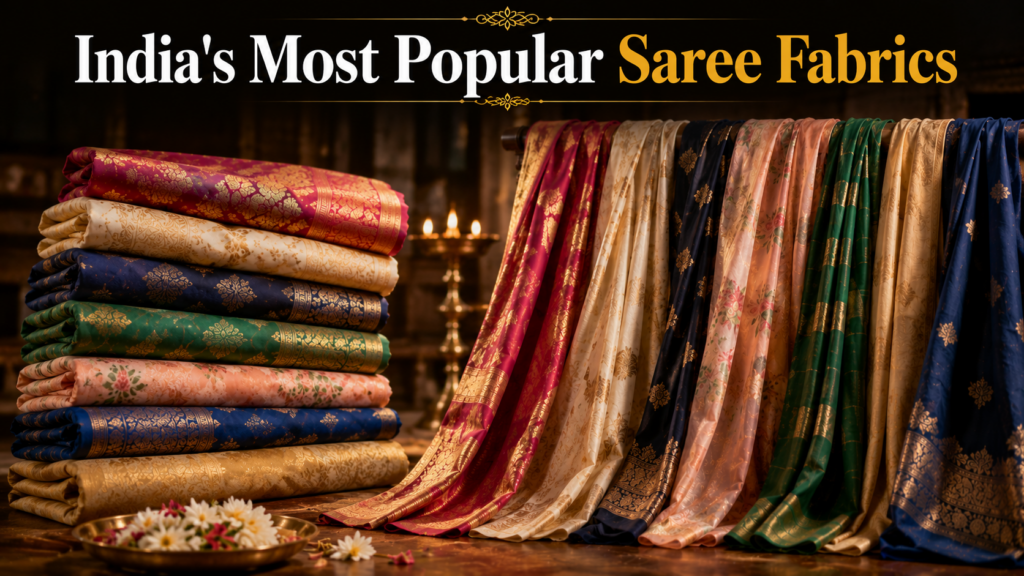
India’s Most Popular Saree Fabrics have played a vital role in shaping the country’s rich textile heritage for centuries. From luxurious silk sarees worn during weddings to lightweight cotton sarees perfect for daily wear, every fabric offers unique characteristics that influence comfort, appearance, drape, and durability. India is known worldwide for its remarkable textile traditions, with different regions specializing in distinctive fabrics and weaving techniques. Understanding India’s Most Popular Saree Fabrics helps buyers choose sarees that match their style preferences, occasion requirements, climate conditions, and budget. we believe that selecting the right fabric is one of the most important decisions when purchasing a saree. This comprehensive guide explains the features, advantages, and ideal uses of the fabrics most commonly found in Indian sarees. Why Fabric Selection Matters The fabric determines: Comfort Appearance Drape Durability Maintenance Occasion suitability A beautiful design may attract attention, but the fabric ultimately determines how enjoyable a saree is to wear. This is why understanding India’s Most Popular Saree Fabrics is essential for every saree buyer. 1. Silk Sarees – The Queen of Indian Textiles Silk remains one of India’s Most Popular Saree Fabrics and is widely associated with luxury and elegance. Popular silk varieties include: Kanjeevaram Silk Banarasi Silk Mysore Silk Tussar Silk Raw Silk Benefits of Silk Sarees Luxurious appearance Rich texture Excellent durability Elegant drape Perfect for weddings and celebrations Silk sarees often become treasured heirlooms passed through generations. 2. Cotton Sarees – Comfortable and Timeless Cotton is among India’s Most Popular Saree Fabrics because of its comfort and versatility. Cotton sarees are ideal for: Daily wear Office wear Summer weather Casual gatherings Benefits of Cotton Sarees Breathable Lightweight Comfortable Easy maintenance Suitable for warm climates They offer effortless elegance while ensuring all-day comfort. 3. Organza Sarees – Modern Sophistication Organza has become increasingly popular in contemporary fashion. This lightweight fabric features: Sheer appearance Crisp texture Elegant finish Benefits of Organza Sarees Luxurious look Modern appeal Excellent structure Ideal for special occasions Organza sarees have become favorites among younger fashion-conscious consumers. 4. Chiffon Sarees – Graceful and Lightweight Chiffon is one of India’s Most Popular Saree Fabrics for women who appreciate effortless draping. Characteristics include: Soft texture Lightweight feel Flowing appearance Benefits of Chiffon Sarees Easy to wear Elegant drape Comfortable movement Ideal for parties and events Chiffon sarees combine simplicity and sophistication beautifully. 5. Georgette Sarees – Versatile and Stylish Georgette remains a highly sought-after saree fabric. Its slightly textured surface provides: Flexibility Fluid movement Modern appearance Benefits of Georgette Sarees Easy draping Wrinkle resistance Contemporary styling Comfortable wear Georgette works well for both formal and casual occasions. 6. Linen Sarees – Natural Elegance Linen sarees have gained popularity among women seeking understated luxury. This fabric offers: Natural texture Excellent breathability Sophisticated appearance Benefits of Linen Sarees Durable Lightweight Comfortable Eco-friendly Linen is increasingly recognized as one of India’s Most Popular Saree Fabrics for modern lifestyles. 7. Chanderi Sarees – Lightweight Luxury Originating from Madhya Pradesh, Chanderi fabrics are celebrated for their delicate beauty. Features include: Lightweight construction Subtle sheen Fine weaving Benefits of Chanderi Sarees Elegant appearance Comfortable wear Traditional charm Premium craftsmanship Chanderi continues to represent the finest aspects of Indian textile artistry. 8. Tussar Silk Sarees – Natural Beauty Tussar silk is admired for its distinctive texture and earthy appeal. Characteristics include: Natural golden sheen Rich texture Unique appearance Benefits of Tussar Silk Sarees Traditional elegance Comfortable wear Excellent durability Artistic appeal These sarees remain highly valued for their authenticity and sophistication. 9. Banarasi Sarees – Heritage and Grandeur Banarasi sarees are among the most iconic examples of India’s Most Popular Saree Fabrics. Known for: Intricate zari work Rich motifs Luxurious silk Benefits of Banarasi Sarees Wedding suitability Heritage value Timeless beauty Exceptional craftsmanship Few sarees symbolize Indian luxury as effectively as Banarasi silk. 10. Satin Sarees – Smooth and Glamorous Satin provides a glossy, elegant finish that appeals to modern consumers. Benefits include: Soft touch Luxurious shine Contemporary style Satin sarees are often chosen for parties, receptions, and evening events. 11. Crepe Sarees – Elegant Simplicity Crepe fabric offers a slightly textured surface and excellent drape. Benefits of Crepe Sarees Lightweight Easy maintenance Flattering silhouette Versatile styling Crepe sarees work well for professional and social settings alike. 12. Net Sarees – Contemporary Fashion Net sarees have become popular for modern celebrations. Features include: Sheer beauty Decorative embellishments Fashion-forward appearance These sarees are particularly popular for weddings, receptions, and festive occasions. Comparing India’s Most Popular Saree Fabrics Fabric Comfort Luxury Durability Occasion Silk High Excellent Excellent Weddings Cotton Excellent Moderate High Daily Wear Organza High Excellent Moderate Parties Chiffon Excellent High Moderate Events Georgette High High Good Multiple Occasions Linen Excellent High Excellent Casual & Formal Chanderi High Excellent Good Traditional Events This comparison helps buyers evaluate which fabric best suits their needs. How to Choose the Right Saree Fabric Consider: Occasion Different fabrics suit different events. Climate Breathable fabrics perform better in warmer conditions. Comfort Choose materials that match your lifestyle. Maintenance Some fabrics require more care than others. Budget Premium fabrics typically command higher prices. Understanding India’s Most Popular Saree Fabrics makes the selection process easier and more rewarding. Why Fabric Quality Matters High-quality fabrics provide: Better drape Greater comfort Enhanced durability Improved appearance Long-term value Investing in quality often leads to greater satisfaction and extended garment life. Conclusion India’s Most Popular Saree Fabrics reflect the country’s extraordinary textile heritage and craftsmanship. From luxurious silk and elegant Chanderi to breathable cotton and contemporary organza, each fabric offers unique advantages that cater to different needs and preferences. By understanding the characteristics of these fabrics, buyers can make informed decisions and choose sarees that perfectly balance comfort, style, durability, and elegance. Whether you’re purchasing your first saree or expanding your collection, knowledge of India’s Most Popular Saree Fabrics ensures a more confident and satisfying shopping experience. Frequently Asked Questions Which are India’s Most Popular Saree Fabrics? Silk, cotton, chiffon, georgette, organza, linen, Chanderi, and Tussar silk are among

Cultural Significance of Sarees in India
Blog

11 Fascinating Facts About the Cultural Significance of Sarees in India

The Cultural Significance of Sarees in India extends far beyond fashion. The saree is not simply a piece of clothing; it is a symbol of tradition, identity, artistry, and heritage. For centuries, Indian women have worn sarees to celebrate important milestones, express regional identities, and preserve cultural values that have been passed down through generations. India’s rich textile traditions have given rise to countless saree styles, weaving techniques, and fabric innovations. From luxurious silk sarees worn during weddings to lightweight cotton sarees used in daily life, every saree tells a unique story about the people, communities, and regions that created it. Today, despite changing fashion trends and modern lifestyles, the saree continues to hold a special place in Indian culture. Understanding the Cultural Significance of Sarees in India helps us appreciate why this timeless garment remains one of the most respected symbols of Indian heritage. What Makes the Saree Unique? The saree is one of the world’s oldest surviving garments and remains remarkably relevant in modern times. A traditional saree typically consists of: A long piece of fabric A blouse A petticoat Various draping styles Unlike many modern garments, the saree can be styled in numerous ways, allowing women to express personal preferences while honoring tradition. Its versatility is one of the reasons it has remained popular for centuries. 1. Sarees Represent India’s Cultural Diversity One of the most important aspects of the Cultural Significance of Sarees in India is their ability to reflect the country’s incredible diversity. Different regions have developed distinctive saree traditions, including: Banarasi Sarees from Uttar Pradesh Kanjeevaram Sarees from Tamil Nadu Patola Sarees from Gujarat Chanderi Sarees from Madhya Pradesh Paithani Sarees from Maharashtra Each style reflects local history, craftsmanship, and cultural values. These regional variations showcase India’s rich artistic heritage. 2. Sarees Play a Central Role in Religious Traditions Religion has always influenced Indian clothing traditions. Sarees are commonly worn during: Temple visits Religious ceremonies Festivals Spiritual gatherings Family rituals Many women consider traditional sarees appropriate attire for sacred occasions because they symbolize respect, modesty, and cultural continuity. Religious celebrations continue to strengthen the Cultural Significance of Sarees in India. 3. Sarees Are an Essential Part of Indian Weddings Few garments carry as much emotional importance as the bridal saree. Across India, wedding sarees symbolize: Prosperity Tradition Family values New beginnings Popular bridal choices include: Banarasi Silk Sarees Kanjeevaram Silk Sarees Patola Sarees Paithani Sarees These sarees are often treasured as family heirlooms and passed down through generations. 4. Sarees Preserve Traditional Textile Craftsmanship India’s weaving traditions are among the finest in the world. The Cultural Significance of Sarees in India is closely connected to the preservation of artisan skills such as: Handloom weaving Zari work Hand embroidery Natural dyeing Traditional textile production Purchasing and wearing traditional sarees helps support artisan communities while preserving valuable cultural knowledge. 5. Sarees Symbolize Feminine Grace and Elegance For generations, the saree has been associated with dignity, grace, and sophistication. Many women appreciate sarees because they: Enhance natural beauty Offer timeless elegance Suit all age groups Adapt to different occasions The saree’s enduring appeal demonstrates how traditional fashion can remain relevant in modern society. 6. Sarees Reflect Regional Identity Every region of India has developed unique saree traditions. These traditions often reflect: Local history Climate Cultural influences Available materials Artistic preferences As a result, sarees serve as powerful symbols of regional identity. This connection between clothing and culture strengthens the Cultural Significance of Sarees in India. 7. Sarees Connect Generations One remarkable aspect of Indian saree culture is its ability to connect family generations. Many women inherit sarees from: Mothers Grandmothers Relatives These garments often carry emotional memories and cultural significance. Passing sarees down through generations helps preserve family traditions and personal histories. 8. Sarees Continue to Inspire Modern Fashion Contemporary designers frequently draw inspiration from traditional sarees. Modern adaptations include: Designer drapes Contemporary fabrics Fusion styling Innovative patterns This ability to evolve while preserving tradition contributes to the continuing relevance of sarees in today’s fashion industry. 9. Sarees Support Sustainable Fashion Values Traditional sarees often align with modern sustainability goals. Many are produced using: Handloom techniques Natural fibers Artisan craftsmanship Long-lasting materials Unlike fast fashion products, high-quality sarees are designed to last for years. This durability supports more responsible consumption habits. 10. Sarees Represent National Heritage The saree is widely recognized as one of India’s most iconic cultural symbols. It represents: Artistic excellence Textile heritage Cultural continuity National identity The Cultural Significance of Sarees in India extends beyond individual communities and contributes to the country’s global cultural image. 11. Sarees Remain Relevant Across Generations Despite rapid changes in fashion, the saree continues to thrive. Younger generations increasingly embrace sarees for: Weddings Festivals Cultural events Professional occasions This ongoing popularity demonstrates the garment’s remarkable adaptability and timeless appeal. Traditional Sarees vs Modern Fashion Trends Traditional Sarees Modern Fashion Trends Heritage weaving Contemporary styling Handcrafted details Modern silhouettes Cultural symbolism Global influences Regional identity Personal expression Timeless elegance Trend-based fashion The saree successfully bridges tradition and modernity. How Sarees Strengthen Cultural Identity Sarees help individuals express: Cultural pride Family traditions Regional heritage Personal values This role makes them much more than fashion garments. They are living expressions of Indian culture and history. The Future of Sarees in India The future of Indian sarees looks promising. Growing interest in: Sustainable fashion Handloom textiles Cultural heritage Artisan craftsmanship is helping traditional saree industries remain relevant in the modern marketplace. Technology and innovation are also making traditional sarees more accessible to global audiences. Conclusion The Cultural Significance of Sarees in India lies in their unique ability to combine tradition, artistry, identity, and elegance. From weddings and religious ceremonies to family traditions and modern fashion, sarees continue to play an important role in Indian life. As one of the most enduring symbols of Indian heritage, the saree represents far more than clothing. It embodies generations of craftsmanship, cultural pride, and timeless beauty. Understanding the Cultural Significance of Sarees in India allows us

Identifying Authentic Silk Sarees
Blog

11 Expert Tips for Identifying Authentic Silk Sarees Before Buying

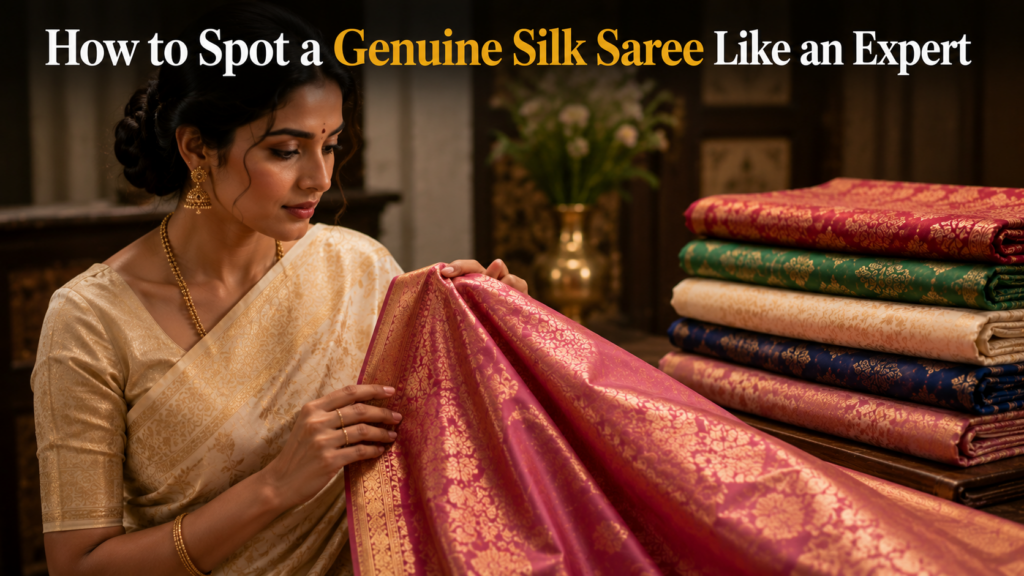
Identifying Authentic Silk Sarees has become increasingly important as the demand for premium sarees continues to grow. Silk sarees have long been associated with luxury, elegance, and cultural heritage in India. Whether it is a wedding, festive celebration, or special occasion, an authentic silk saree remains one of the most treasured garments in a woman’s wardrobe. However, the popularity of silk has also led to the rise of synthetic alternatives that closely resemble genuine silk. While these options may appear similar at first glance, they differ significantly in quality, durability, comfort, and long-term value. This expert guide will help you understand the essential characteristics of genuine silk and provide practical tips for Identifying Authentic Silk Sarees before making a purchase. Why Authentic Silk Sarees Are Special Silk is one of the world’s most luxurious natural fibers. Genuine silk sarees are valued because of their: Natural sheen Soft texture Excellent drape Long-lasting durability Breathability Timeless elegance Authentic silk sarees often become family heirlooms that are passed down through generations. Understanding these qualities is the first step in Identifying Authentic Silk Sarees. What Makes Silk Different from Synthetic Fabrics? Natural silk is produced from silkworm cocoons, whereas synthetic alternatives are manufactured using artificial fibers. Authentic Silk Synthetic Fabric Natural fiber Artificial fiber Soft texture Often slippery Breathable Less breathable Rich natural shine Artificial glossy finish Durable Lower longevity Premium value Lower value Knowing these distinctions helps buyers make informed decisions. 1. Examine the Natural Sheen One of the easiest methods for Identifying Authentic Silk Sarees is observing the fabric’s shine. Genuine silk reflects light in multiple shades depending on the viewing angle. Characteristics include: Soft glow Rich appearance Color variations under light Synthetic fabrics often produce a uniform shine that appears overly glossy. Natural silk offers a more sophisticated and elegant luster. 2. Feel the Fabric Texture Authentic silk feels distinctive when touched. Look for: Smoothness Softness Warm feel Slight natural texture Unlike synthetic fabrics, genuine silk warms quickly when held in the hand. Texture evaluation remains one of the most reliable techniques for Identifying Authentic Silk Sarees. 3. Check the Weaving Quality Premium silk sarees are known for exceptional weaving craftsmanship. Inspect: Pattern alignment Border consistency Motif precision Fabric uniformity High-quality weaving often indicates genuine silk production and superior craftsmanship. 4. Observe the Saree’s Drape Authentic silk drapes naturally and elegantly. Key characteristics include: Fluid movement Graceful folds Rich fall Synthetic fabrics may appear stiff or overly lightweight. A proper drape is a strong indicator when Identifying Authentic Silk Sarees. 5. Look at the Reverse Side Examining the backside of the saree can reveal important details. Authentic handwoven silk sarees often display: Visible weaving patterns Thread variations Artisan workmanship Machine-made imitations frequently appear overly perfect on both sides. 6. Check the Weight of the Fabric Pure silk generally feels substantial without being excessively heavy. Different silk varieties vary in weight, but authentic silk typically provides: Rich texture Balanced feel Quality structure Extremely lightweight materials that resemble silk may contain synthetic fibers. 7. Examine the Zari Work Carefully Many premium silk sarees feature zari embellishments. When evaluating zari: Inspect thread quality Check motif consistency Look for craftsmanship details Authentic silk sarees often showcase superior zari integration and finishing. 8. Verify the Silk Mark Certification One of the most reliable methods for Identifying Authentic Silk Sarees is checking for official certification. The Silk Mark label helps verify that the saree contains genuine silk. Benefits include: Authenticity assurance Quality confidence Consumer protection According to the Silk Mark certification program administered by the Silk Mark Organisation of India, certified products help consumers verify genuine silk authenticity. Always look for recognized certification when purchasing premium silk products. 9. Evaluate Color Depth and Dye Quality Authentic silk absorbs dyes exceptionally well. As a result, genuine silk sarees often display: Rich colors Vibrant tones Excellent depth Premium dyeing enhances the luxurious appearance of silk fabrics. Poor color consistency may indicate lower-quality materials. 10. Assess the Price Realistically Authentic silk production involves: Natural fibers Skilled artisans Complex weaving Time-intensive craftsmanship As a result, genuine silk sarees typically command higher prices. Extremely low prices may indicate synthetic substitutes or blended fabrics. Price should never be the sole factor, but it can provide useful clues. 11. Buy from Trusted Saree Specialists Perhaps the most important recommendation for Identifying Authentic Silk Sarees is purchasing from reputable sellers. Trusted retailers typically offer: Quality assurance Authentic sourcing Product transparency Customer support Established saree brands help reduce the risk of purchasing counterfeit products. Popular Types of Authentic Silk Sarees India offers several renowned silk saree varieties. Banarasi Silk Sarees Known for intricate zari work and luxurious appearance. Kanjeevaram Silk Sarees Celebrated for durability, vibrant colors, and traditional craftsmanship. Mysore Silk Sarees Recognized for smooth texture and elegant simplicity. Explore our collection of Mysore Pattu Silk Sarees for authentic handcrafted designs. Tussar Silk Sarees Appreciated for natural texture and earthy appeal. Patola Silk Sarees Famous for complex weaving and artistic designs. Each variety showcases unique aspects of India’s textile heritage. Explore Premium Silk Saree Collections If you are looking for authentic silk sarees crafted with elegance and tradition, browse our premium collections: Rashmiwala Official Website Mysore Pattu Silk Sarees Prem Vastra Saree Collection These collections feature carefully curated sarees that celebrate India’s rich weaving heritage. Common Mistakes Buyers Make Avoid these common errors: Choosing based solely on appearance Ignoring certification Overlooking weaving quality Focusing only on price Buying from unknown sources Careful evaluation helps ensure a successful purchase. Benefits of Owning Authentic Silk Sarees Genuine silk sarees offer: Long-term value Timeless elegance Exceptional comfort Cultural significance Superior durability These advantages make authentic silk a worthwhile investment. Conclusion Identifying Authentic Silk Sarees requires attention to detail, knowledge of fabric characteristics, and careful evaluation of quality indicators. From examining sheen and texture to checking weaving quality and certification, every step helps buyers distinguish genuine silk from synthetic alternatives. By understanding these expert tips, consumers can confidently invest in authentic silk sarees that offer lasting beauty, comfort, and

Scroll to Top