Author name: Abhilasha Raut

Everything You Need to Know About Textile Craftsmanship
Blog

11 Essential Facts About Textile Craftsmanship Every Fashion Lover Should Know

Everything You Need to Know About Textile Craftsmanship starts with understanding the remarkable journey that transforms raw fibers into beautiful fabrics. Behind every luxurious saree, elegant dress, premium ethnic outfit, and sophisticated textile lies a combination of creativity, technical expertise, tradition, and innovation. For centuries, textile artisans have perfected techniques that continue to influence fashion across the world. From traditional handlooms and intricate embroidery to modern weaving technologies, the textile industry has evolved significantly while preserving its artistic roots. Today, consumers increasingly value authenticity, sustainability, and quality. As a result, understanding the art behind fabric creation has become more important than ever. This guide explores the essential aspects of textile production and the skilled workmanship that gives fabrics their beauty, durability, and uniqueness. What Is Textile Craftsmanship? Textile craftsmanship refers to the knowledge, skill, and artistry involved in producing high-quality fabrics and textile products. The process includes: Fiber selection Yarn preparation Weaving Knitting Dyeing Printing Embroidery Finishing Quality control Each stage contributes to the final appearance, performance, and value of the fabric. The finest textiles are not created by machines alone. They require experienced professionals who understand materials, techniques, and design principles. Why Textile Craftsmanship Matters Quality textile production influences every aspect of fashion. Benefits include: Better durability Improved comfort Superior appearance Enhanced draping Longer lifespan Greater sustainability Consumers often notice the difference immediately when wearing garments made from expertly produced fabrics. The quality of the textile determines how a garment looks, feels, and performs over time. 1. Every Great Fabric Begins with Fiber Selection The journey starts with choosing the right raw materials. Common premium fibers include: Cotton Silk Linen Wool Bamboo fibers The quality of these fibers directly affects the finished textile. Superior fibers produce smoother yarns, stronger fabrics, and more refined textures. This foundational step plays a critical role in determining the overall quality of the final product. 2. Yarn Preparation Is a Crucial Step Before weaving begins, fibers are transformed into yarn. This process requires careful control of: Strength Thickness Consistency Twist levels High-quality yarn allows weavers to create fabrics with better durability and appearance. Poor yarn quality often leads to weaker fabrics that wear out more quickly. 3. Traditional Weaving Techniques Preserve Heritage India is home to some of the world’s most celebrated weaving traditions. These include: Banarasi weaving Kanjeevaram weaving Chanderi weaving Patola weaving Jamdani weaving These techniques have been passed down through generations. Many luxury sarees and premium fabrics continue to rely on these heritage methods because they produce exceptional results. Traditional weaving remains one of the strongest connections between cultural heritage and modern fashion. 4. Handcrafted Fabrics Showcase Extraordinary Skill Handcrafted textiles often require hundreds of hours of dedicated work. Artisans carefully create: Intricate motifs Decorative borders Unique patterns Complex designs Unlike mass-produced materials, handcrafted fabrics possess individuality and artistic character. Each piece reflects the expertise and creativity of the artisan behind it. This uniqueness makes handcrafted textiles highly valued in luxury fashion markets. 5. Dyeing Combines Art and Science Color plays a major role in fabric appeal. Professional dyeing techniques help achieve: Rich shades Consistent color Long-lasting vibrancy Fade resistance Traditional dyeing methods often use natural ingredients, while modern systems offer greater precision and efficiency. Both approaches contribute to creating beautiful, durable textiles. 6. Embroidery Adds Value and Beauty Embroidery transforms fabric into wearable art. Popular techniques include: Zari work Thread embroidery Mirror work Hand embellishments Regional embroidery styles These decorative elements increase visual appeal while showcasing artisan expertise. Many premium sarees and designer garments rely on embroidery to create distinctive luxury aesthetics. 7. Fabric Finishing Improves Performance Once weaving and dyeing are complete, fabrics undergo finishing processes. Finishing enhances: Softness Durability Texture Appearance Comfort This stage ensures fabrics meet consumer expectations and industry standards. A well-finished textile often feels noticeably superior to unfinished alternatives. 8. Technology Supports Modern Textile Production Modern technology has transformed the textile industry. Innovations include: Digital textile printing Automated weaving systems Computer-aided design Quality control technologies Sustainable dyeing solutions Technology improves efficiency while helping preserve traditional knowledge. Rather than replacing artisans, innovation often provides tools that support better production outcomes. 9. Sustainability Is Reshaping the Industry Consumers increasingly demand responsible fashion choices. Modern textile production focuses on: Water conservation Waste reduction Organic fibers Eco-friendly dyes Ethical sourcing Sustainable practices help reduce environmental impact while supporting long-term industry growth. Brands that prioritize responsible manufacturing are becoming more attractive to conscious consumers. 10. Quality Inspection Ensures Excellence Every premium textile undergoes careful evaluation. Quality checks examine: Fabric strength Weaving consistency Color accuracy Finishing quality Overall appearance These inspections help maintain high standards throughout the production process. Attention to detail separates premium textiles from lower-quality alternatives. 11. Textile Craftsmanship Continues to Shape Modern Fashion Despite rapid technological advancements, skilled textile production remains essential to fashion success. Designers depend on expertly crafted fabrics to achieve: Better draping Enhanced comfort Superior durability Luxurious appearance The future of fashion will continue to rely on the balance between traditional expertise and modern innovation. Consumers increasingly appreciate garments that reflect quality, authenticity, and artistry. Traditional vs Modern Textile Production Traditional Methods Modern Methods Handloom Weaving Automated Weaving Natural Dyeing Advanced Dyeing Systems Artisan Production Large-Scale Manufacturing Hand Embroidery Machine-Assisted Embroidery Heritage Techniques Technology Integration Both approaches contribute valuable strengths to the modern textile industry. How Consumers Benefit Choosing garments made from high-quality textiles offers several advantages: Better comfort Greater durability Improved appearance Enhanced value Sustainable purchasing These benefits help consumers enjoy clothing that remains beautiful and functional for years. The Future of Textile Production The future of the industry is expected to focus on: Sustainable materials Smart textiles Digital innovation Artisan collaboration Heritage preservation These developments will help ensure that traditional knowledge remains relevant while supporting future growth. Conclusion Everything You Need to Know About Textile Craftsmanship ultimately comes down to appreciating the skill, dedication, and creativity involved in producing exceptional fabrics. From fiber selection and weaving to dyeing, finishing, and quality inspection, every stage contributes to the final product. As consumers continue
Premium Fabrics
Blog

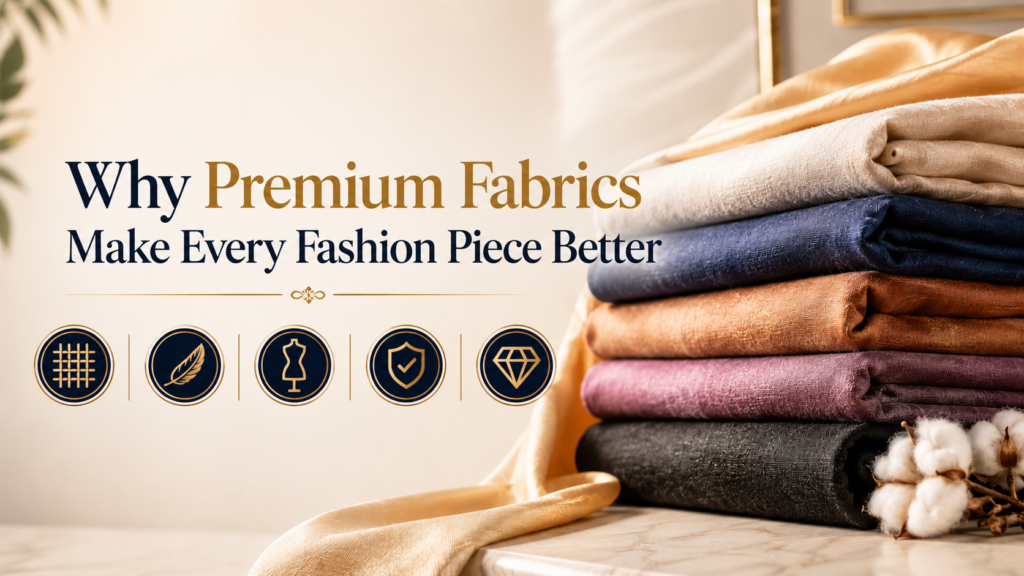
9 Powerful Reasons Why Premium Fabrics Are the Foundation of Great Fashion

Fashion trends may come and go, but one factor consistently determines the quality, comfort, and longevity of clothing: the fabric. While design, color, and styling often capture immediate attention, it is the fabric that ultimately defines how a garment feels, performs, and ages over time. This is why Premium Fabrics remain the foundation of great fashion. Whether it is an elegant saree, a sophisticated ethnic ensemble, or a contemporary designer outfit, the quality of the textile directly impacts the overall experience. Consumers today are becoming increasingly aware that investing in superior materials leads to better comfort, durability, sustainability, and value. we believe that every exceptional garment begins with exceptional fabric. Understanding the role of Premium Fabrics can help consumers make informed fashion choices while appreciating the craftsmanship behind quality textiles. Why Fabric Quality Matters Fabric is more than just the material used to create clothing. It influences: Comfort Durability Appearance Fit Sustainability Longevity Value for money A beautifully designed garment made from poor-quality material will often lose its appeal quickly. In contrast, garments crafted from Premium Fabrics maintain their beauty and functionality for years. 1. Superior Comfort for Everyday Wear One of the most noticeable advantages of quality textiles is comfort. High-end fabrics are carefully developed to provide a better wearing experience. They typically offer: Breathability Softness Moisture management Lightweight feel Better skin compatibility Whether worn for a few hours or an entire day, garments made from superior materials provide unmatched comfort compared to lower-quality alternatives. Consumers often associate luxury fashion with comfort because quality textiles naturally feel better against the skin. 2. Enhanced Appearance and Elegance The visual appeal of a garment depends heavily on its fabric. Premium Fabrics provide: Rich texture Elegant drape Vibrant color depth Sophisticated finish Luxurious appearance These characteristics allow garments to look refined and polished. Whether it is a silk saree or a designer dress, superior materials elevate the overall aesthetic. Fashion designers understand that even the most innovative design cannot compensate for poor-quality fabric. 3. Greater Durability and Longevity Durability is one of the strongest reasons to invest in high-quality textiles. Superior materials are designed to withstand: Frequent wear Washing Storage Environmental exposure Unlike cheaper alternatives that may lose shape or fade quickly, garments made from quality textiles retain their appearance for years. This long lifespan often makes them a better investment despite a higher initial cost. 4. Better Fit and Structure The fit of a garment depends significantly on the material used. High-quality textiles offer: Better draping ability Improved flexibility Consistent structure Enhanced movement These features allow designers to create garments that flatter various body types while maintaining comfort. Well-constructed clothing made from Premium Fabrics tends to hold its shape better over time. 5. Essential for Luxury Fashion Luxury fashion brands consistently choose the finest materials available. Popular examples include: Silk Tussar Silk Chanderi Organza Fine Cotton Linen These materials are valued for their beauty, durability, and versatility. The connection between luxury fashion and exceptional textiles has existed for centuries and continues to define premium clothing today. 6. Supports Sustainable Fashion Sustainability is becoming increasingly important within the fashion industry. Quality materials contribute to sustainable fashion because they: Last longer Reduce replacement frequency Generate less waste Encourage mindful consumption Consumers are moving away from disposable fashion and investing in garments that provide lasting value. Choosing Premium Fabrics supports a more responsible and environmentally conscious approach to fashion. 7. Enhances Craftsmanship Artisans and designers often achieve better results when working with superior materials. Quality textiles: Showcase embroidery beautifully Support intricate weaving Improve tailoring precision Highlight decorative details Many traditional Indian textiles owe their beauty to the combination of artisan skill and exceptional raw materials. This relationship between craftsmanship and material quality remains central to premium fashion. 8. Superior Color Retention Color quality significantly impacts the appearance of clothing. High-end fabrics generally offer: Richer color absorption Better dye consistency Enhanced vibrancy Improved fade resistance As a result, garments retain their original beauty for longer periods. Consumers appreciate clothing that continues to look fresh and attractive even after repeated use. 9. Better Long-Term Value Although quality garments may require a larger upfront investment, they often provide better value over time. Benefits include: Longer lifespan Reduced replacement costs Better comfort Timeless style Greater satisfaction This makes Premium Fabrics a smart investment for consumers who prioritize quality and durability. Popular Premium Fabrics Used in Fashion Several materials are widely recognized for their exceptional quality. Silk Known for luxury, softness, and elegance. Tussar Silk Appreciated for its rich texture and natural beauty. Chanderi Lightweight and sophisticated. Organza Elegant and ideal for modern ethnic wear. Fine Cotton Comfortable, breathable, and versatile. Linen Durable, stylish, and naturally comfortable. These fabrics continue to influence both traditional and contemporary fashion. Premium Fabrics vs Standard Fabrics Feature Premium Fabrics Standard Fabrics Comfort Excellent Moderate Durability Long-lasting Limited Appearance Luxurious Basic Color Retention Superior Average Craftsmanship Support Excellent Limited Value High Lower The comparison clearly demonstrates why quality materials remain essential to exceptional fashion. The Role of Premium Fabrics in Ethnic Fashion Indian ethnic fashion relies heavily on superior textile quality. Luxury sarees, festive wear, and designer collections often use high-end materials to achieve: Elegant draping Rich appearance Enhanced comfort Traditional craftsmanship Textiles such as Banarasi silk, Chanderi, and Kanjeevaram continue to showcase the importance of quality materials in preserving heritage while meeting modern fashion expectations. Conclusion Premium Fabrics are the foundation of great fashion because they influence comfort, appearance, durability, sustainability, craftsmanship, and long-term value. Regardless of changing trends, the importance of fabric quality remains constant. Consumers who prioritize superior materials enjoy garments that not only look better but also perform better and last longer. As fashion continues to evolve, investing in quality textiles will remain one of the smartest decisions for anyone seeking timeless style and lasting satisfaction. Frequently Asked Questions What are Premium Fabrics? Premium Fabrics are high-quality textiles known for superior comfort, durability, appearance, and performance. Why are Premium Fabrics important in fashion? They improve garment quality, comfort, durability,

High-Quality Sarees
Blog

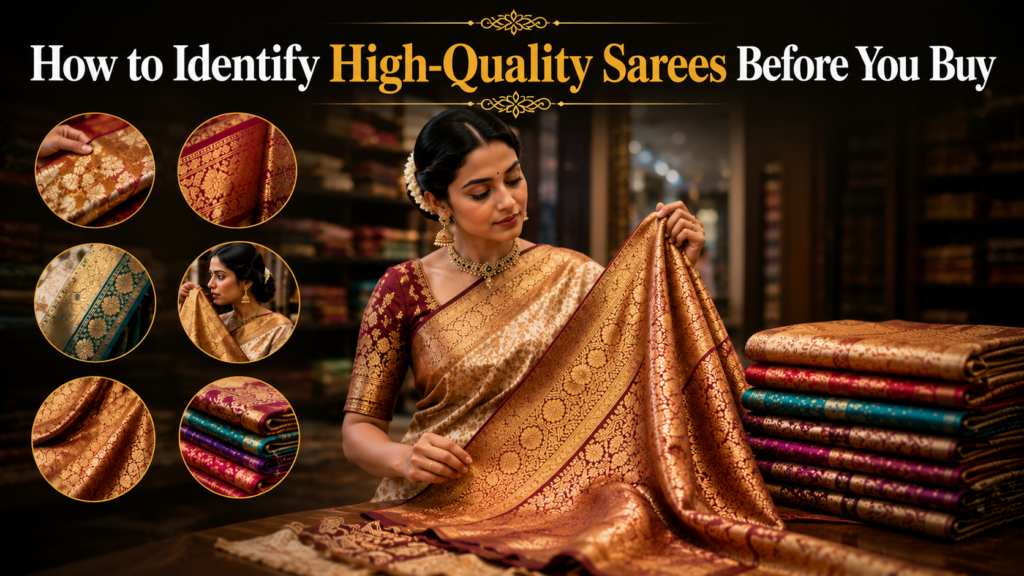
10 Proven Ways to Identify High-Quality Sarees Before You Buy

High-Quality Sarees are more than just beautiful garments—they are investments in craftsmanship, elegance, and timeless style. Whether you’re purchasing a saree for a wedding, festival, special occasion, or everyday luxury, understanding how to evaluate quality can help you make a smarter buying decision. India’s rich textile heritage offers an incredible variety of sarees crafted from different fabrics, weaving traditions, and regional techniques. However, not every saree delivers the same level of quality. Knowing what to look for ensures that you select a saree that offers superior comfort, durability, and value. we believe that every saree should reflect exceptional craftsmanship and lasting beauty. This guide will help you identify High-Quality Sarees before making your purchase. Why Choosing High-Quality Sarees Matters Purchasing High-Quality Sarees offers several benefits: Better durability Superior comfort Elegant drape Rich appearance Long-term value Timeless appeal A well-crafted saree can remain beautiful for decades and even become a treasured family heirloom. 1. Examine the Fabric Quality Carefully The fabric is the foundation of every saree. One of the easiest ways to identify High-Quality Sarees is by assessing the fabric itself. Premium sarees often use: Pure silk Tussar silk Kanjeevaram silk Chanderi Organza Fine cotton Linen blends High-quality fabrics typically feel: Soft yet durable Smooth to the touch Comfortable against the skin Rich in texture Avoid fabrics that feel excessively rough, thin, or poorly finished. 2. Check the Weaving Consistency Weaving quality plays a major role in determining the value of a saree. Examine the saree closely for: Even weaving Consistent thread placement Symmetrical patterns Uniform texture Premium handwoven sarees may feature minor artisan variations, which often indicate authenticity rather than defects. Strong weaving contributes significantly to the longevity of High-Quality Sarees. 3. Inspect the Borders and Pallu The borders and pallu often showcase the finest craftsmanship. Look for: Clean detailing Intricate motifs Well-defined patterns Strong finishing Poorly executed borders may indicate lower manufacturing standards. In many traditional sarees, the pallu serves as a key indicator of overall craftsmanship and quality. 4. Evaluate the Weight and Drape A saree’s drape reveals much about its quality. High-Quality Sarees generally offer: Elegant flow Balanced weight Structured appearance Comfortable wear The fabric should fall naturally without appearing stiff or excessively limp. Premium sarees maintain their shape while allowing graceful movement. 5. Look for Authentic Craftsmanship Craftsmanship distinguishes exceptional sarees from ordinary ones. Pay attention to: Handwoven details Traditional techniques Precision workmanship Artistic motifs Authentic craftsmanship often reflects years of skill and expertise. Many premium sarees showcase techniques passed down through generations of artisans. 6. Examine the Thread Quality Thread quality directly affects durability. High-quality weaving typically uses: Strong yarns Premium silk threads Fine cotton fibers Consistent thread tension Low-quality threads may cause: Loose weaving Premature wear Reduced durability Inspecting thread quality helps ensure you’re investing in a saree that will last. 7. Verify Fabric Authenticity Authenticity is especially important when purchasing silk sarees. For premium silk products, look for: Authenticity certificates Trusted sellers Quality labels Reputable brands This verification helps ensure that the saree matches the claimed fabric composition. Authenticity is a hallmark of High-Quality Sarees. 8. Assess the Dyeing and Color Quality Color quality significantly impacts appearance and longevity. Premium sarees often feature: Rich colors Uniform dyeing Sharp detailing Fade-resistant finishes Check for: Uneven coloring Bleeding dyes Patchy finishes High-quality dyeing enhances both beauty and durability. 9. Review the Finishing Details The finishing process often reveals manufacturing standards. Inspect: Hemming quality Edge finishing Loose threads Stitch consistency High-Quality Sarees typically display exceptional attention to detail throughout the garment. Well-finished sarees provide a more polished and luxurious appearance. 10. Buy from Trusted Saree Specialists One of the safest ways to ensure quality is purchasing from reputable sellers. Trusted brands typically offer: Quality assurance Authentic products Transparent sourcing Better customer support When investing in premium sarees, selecting a reliable retailer provides added confidence in your purchase. Comparing High-Quality Sarees and Low-Quality Sarees Feature High-Quality Sarees Low-Quality Sarees Fabric Premium materials Inferior materials Weaving Consistent and precise Uneven weaving Durability Long-lasting Wears quickly Drape Elegant and smooth Poor structure Craftsmanship Detailed and refined Basic finishing Value Excellent long-term investment Limited lifespan This comparison highlights why evaluating quality before purchase is so important. Popular Fabrics Used in High-Quality Sarees Several fabrics are widely recognized for their quality: Silk Known for luxury, durability, and timeless elegance. Tussar Silk Valued for its rich texture and natural appeal. Chanderi Lightweight and sophisticated. Organza Elegant with a refined translucent appearance. Cotton Comfortable, breathable, and versatile. Choosing the right fabric contributes significantly to your overall satisfaction. Common Mistakes Buyers Make Many consumers overlook important quality indicators. Common mistakes include: Focusing only on price Ignoring fabric composition Overlooking weaving quality Skipping authenticity verification Choosing appearance over craftsmanship Avoiding these mistakes helps ensure a better investment. Why Premium Sarees Are Worth the Investment Although premium sarees may cost more initially, they often provide: Better durability Greater comfort Timeless style Higher craftsmanship Long-term value A well-made saree can remain a cherished part of your wardrobe for many years. How High-Quality Sarees Support Artisan Communities Purchasing High-Quality Sarees often supports: Traditional weaving communities Skilled artisans Cultural preservation Sustainable fashion practices This makes your purchase meaningful beyond its aesthetic value. Conclusion Choosing High-Quality Sarees requires careful attention to fabric, weaving, craftsmanship, authenticity, and finishing details. By understanding these essential factors, buyers can confidently select sarees that offer beauty, durability, comfort, and lasting value. Whether you are shopping for a wedding, festive occasion, or everyday elegance, investing in High-Quality Sarees ensures that you enjoy superior craftsmanship and timeless style. A thoughtfully chosen saree is more than a garment—it is a reflection of artistry, heritage, and personal expression. Frequently Asked Questions How can I identify High-Quality Sarees? Look for premium fabrics, consistent weaving, authentic craftsmanship, strong thread quality, and excellent finishing details. Are handwoven sarees better than machine-made sarees? Handwoven sarees often offer greater craftsmanship, uniqueness, and heritage value, though quality varies across both categories. Why are High-Quality Sarees more expensive? They use superior materials, skilled labor,

Future of Indian Ethnic Fashion and Textile Innovation
Blog

Future of Indian Ethnic Fashion and Textile Innovation: 9 Powerful Trends for 2026

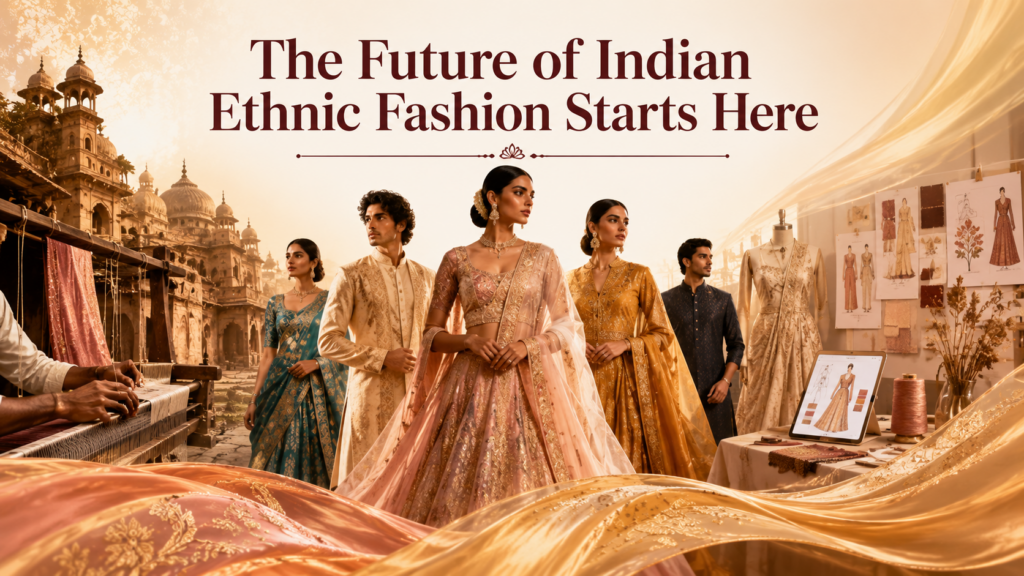
Future of Indian Ethnic Fashion and Textile Innovation is becoming one of the most exciting topics in the global fashion industry. As consumer preferences evolve and technology transforms textile manufacturing, Indian ethnic fashion is experiencing a remarkable shift. Traditional craftsmanship, heritage weaving techniques, and cultural aesthetics are now being combined with sustainable materials, advanced production technologies, and innovative design approaches. India has long been recognized for its rich textile heritage, exquisite sarees, handloom traditions, and artisan craftsmanship. Today, the Future of Indian Ethnic Fashion and Textile Innovation lies in preserving these traditions while embracing modern advancements that improve sustainability, functionality, and consumer experience. we believe that innovation should enhance tradition rather than replace it. The coming years will see Indian ethnic fashion become more sustainable, technologically advanced, globally influential, and consumer-focused than ever before. Why the Future of Indian Ethnic Fashion and Textile Innovation Matters The fashion industry is undergoing significant transformation. Consumers now prioritize: Sustainability Quality craftsmanship Ethical production Personalization Comfort Cultural authenticity The Future of Indian Ethnic Fashion and Textile Innovation will be shaped by how effectively brands, designers, and artisans respond to these changing expectations. Innovation offers new opportunities to preserve heritage while creating products that appeal to modern lifestyles. 1. Sustainable Fabrics Will Lead the Industry One of the most important trends influencing the Future of Indian Ethnic Fashion and Textile Innovation is sustainability. Consumers increasingly seek environmentally responsible fashion choices. Popular sustainable textile solutions include: Organic cotton Eco-friendly silk Recycled fibers Bamboo fabrics Natural dyes These materials reduce environmental impact while maintaining the elegance and sophistication associated with Indian ethnic wear. Sustainability is no longer a niche preference—it is becoming an industry standard. 2. Smart Textiles Will Transform Traditional Fashion Technology is introducing entirely new possibilities for ethnic fashion. Smart textiles may soon offer features such as: Temperature regulation Moisture management UV protection Anti-wrinkle performance Enhanced durability The Future of Indian Ethnic Fashion and Textile Innovation may include sarees and ethnic garments that combine traditional aesthetics with modern functionality. These innovations can significantly improve comfort without compromising cultural appeal. 3. Digital Printing Will Expand Creative Possibilities Digital textile printing is revolutionizing fabric design. Benefits include: Faster production Reduced waste Complex patterns Rich color reproduction Customization options Designers can create unique ethnic fashion collections while maintaining production efficiency. Digital printing also allows heritage motifs to be reimagined in contemporary ways, supporting both innovation and tradition. 4. Handloom and Artisan Craftsmanship Will Gain Greater Recognition Despite technological advancements, consumers increasingly value authenticity. The Future of Indian Ethnic Fashion and Textile Innovation will continue to depend on artisan expertise. Traditional crafts such as: Banarasi weaving Kanjeevaram weaving Chanderi weaving Patola weaving Hand embroidery remain highly sought after. Fashion brands are increasingly collaborating with artisans to preserve heritage techniques while creating modern products. This approach supports both cultural preservation and economic development. 5. Personalization Will Become a Key Trend Today’s consumers want products that reflect their individual style. Future ethnic fashion may offer: Custom colors Personalized embroidery Made-to-order garments Unique design combinations Advanced manufacturing technologies make personalization more accessible than ever. The Future of Indian Ethnic Fashion and Textile Innovation will likely include greater customization opportunities for consumers seeking unique fashion experiences. 6. Sustainable Luxury Will Redefine Premium Fashion Luxury is evolving. Modern consumers increasingly define luxury through: Quality Craftsmanship Sustainability Exclusivity This shift aligns perfectly with India’s textile traditions. Handcrafted sarees, artisan-made garments, and heritage fabrics naturally embody many of these values. As a result, sustainable luxury is expected to become a major driver of future growth within ethnic fashion. 7. Technology Will Strengthen Heritage Preservation Innovation is playing an important role in protecting cultural heritage. Modern tools help preserve: Traditional weaving techniques Historic textile patterns Artisan knowledge Regional craftsmanship Digital archives and educational platforms ensure that future generations can continue learning valuable textile skills. The Future of Indian Ethnic Fashion and Textile Innovation depends on successfully preserving traditional knowledge while encouraging creative evolution. 8. Global Demand for Indian Fashion Will Continue Growing Indian textiles and ethnic fashion enjoy increasing international recognition. Global consumers appreciate: Rich craftsmanship Unique designs Cultural authenticity Sustainable production International designers frequently incorporate Indian-inspired textiles into their collections. This growing global interest creates significant opportunities for Indian fashion brands and artisan communities. The export potential of Indian ethnic fashion remains exceptionally strong. 9. Innovation and Tradition Will Work Together Perhaps the most important trend shaping the Future of Indian Ethnic Fashion and Textile Innovation is the successful integration of innovation and tradition. Rather than viewing technology and heritage as competing forces, many industry leaders recognize their complementary roles. Future success will depend on: Supporting artisans Embracing sustainability Investing in innovation Preserving craftsmanship Meeting consumer expectations This balanced approach allows the industry to evolve without losing its cultural identity. Emerging Technologies in Indian Textile Manufacturing Several technologies are expected to influence future growth: Technology Potential Impact Digital Printing Greater customization Smart Textiles Enhanced functionality Automation Improved efficiency AI Design Tools Faster product development Sustainable Dyeing Reduced environmental impact Advanced Weaving Systems Better productivity These innovations will help strengthen India’s competitiveness within the global textile industry. How Consumers Will Benefit The Future of Indian Ethnic Fashion and Textile Innovation offers numerous advantages for consumers. Benefits include: Better quality garments Sustainable fashion choices Enhanced comfort Greater personalization Improved durability Wider design variety Consumers can expect ethnic fashion that combines timeless elegance with modern convenience. Challenges Facing the Industry While opportunities are significant, several challenges remain: Environmental concerns Global competition Rising production costs Skilled labor shortages Rapidly changing trends Addressing these challenges requires collaboration between designers, manufacturers, artisans, policymakers, and consumers. The Role of Brands Like Rashmiwala Brands focused on heritage and quality have an important role to play. By supporting: Artisan communities Sustainable production Textile innovation Cultural preservation brands can help shape a future that respects tradition while embracing progress. This commitment strengthens both the fashion industry and the communities that sustain it. Conclusion The Future of Indian Ethnic Fashion and Textile Innovation is filled with

Indian Textile Heritage
Blog

9 Powerful Ways Indian Textile Heritage Inspires Modern Fashion

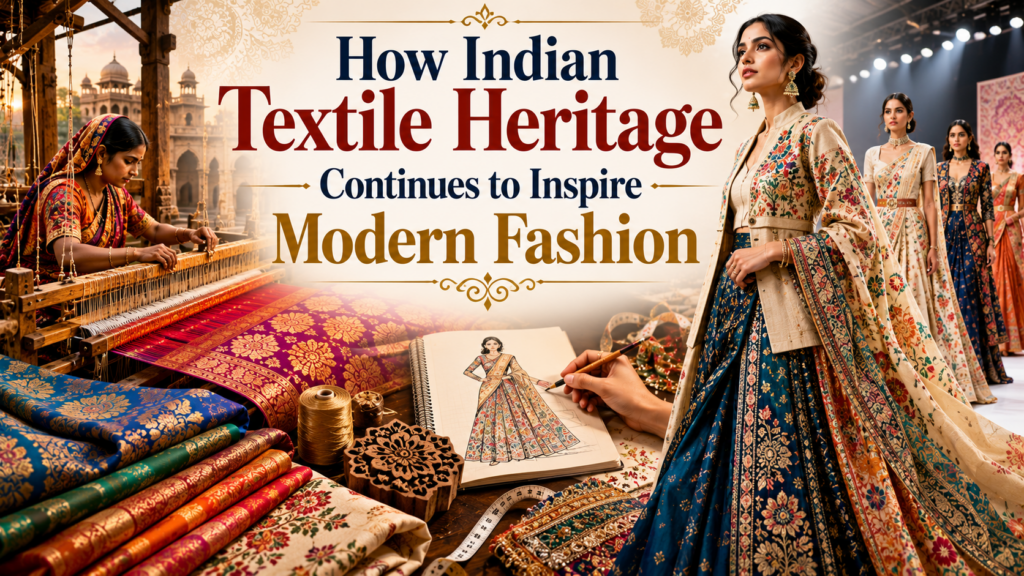
Indian Textile Heritage continues to be one of the strongest influences shaping the modern fashion industry. While contemporary fashion constantly evolves through innovation and global trends, designers increasingly look toward India’s rich textile traditions for inspiration. From intricate handloom weaving techniques and luxurious silk fabrics to artisan craftsmanship and heritage motifs, India’s textile legacy remains deeply woven into today’s fashion landscape. For centuries, Indian textiles have been admired around the world for their exceptional quality, artistic excellence, and cultural significance. Today, Indian Textile Heritage serves as a bridge between tradition and innovation, helping designers create collections that celebrate cultural authenticity while meeting modern consumer expectations. we believe that understanding textile heritage allows fashion enthusiasts to appreciate the craftsmanship and stories behind every fabric. The continued influence of India’s textile traditions demonstrates how timeless artistry can remain relevant in an ever-changing world. Why Indian Textile Heritage Remains Relevant Today The impact of Indian Textile Heritage extends far beyond traditional clothing. Modern fashion brands, designers, and textile innovators frequently incorporate heritage-inspired elements into contemporary collections. This continued relevance is driven by: Appreciation for craftsmanship Demand for sustainable fashion Interest in cultural authenticity Growing support for artisan communities Desire for unique and meaningful fashion As consumers become more conscious of quality and heritage, traditional textiles continue to inspire modern fashion design. 1. Traditional Weaving Techniques Influence Contemporary Designs One of the most significant ways Indian Textile Heritage inspires modern fashion is through traditional weaving techniques. Historic weaving traditions such as: Banarasi weaving Kanjeevaram weaving Chanderi weaving Patola weaving Jamdani weaving continue to influence designers across the world. Modern fashion collections often reinterpret these traditional techniques using contemporary silhouettes, creating garments that honor heritage while appealing to today’s consumers. This fusion allows traditional artistry to remain relevant in modern wardrobes. 2. Handloom Textiles Are Driving Sustainable Fashion Sustainability has become a major priority within the fashion industry. Many designers view handloom textiles as an environmentally responsible alternative to mass-produced fabrics. Handloom production often offers: Lower energy consumption Reduced environmental impact Support for artisan livelihoods Preservation of traditional skills As sustainable fashion gains momentum, Indian Textile Heritage provides valuable solutions that align with modern environmental goals. Consumers increasingly value handcrafted products that combine sustainability with authenticity. 3. Heritage Motifs Inspire Modern Prints Traditional Indian textiles feature distinctive motifs inspired by nature, architecture, spirituality, and cultural symbolism. These include: Floral patterns Paisley motifs Geometric designs Temple-inspired borders Nature-inspired artwork Contemporary designers frequently adapt these motifs for modern garments, accessories, and textiles. This approach allows fashion brands to celebrate cultural heritage while introducing fresh visual interpretations. 4. Artisan Craftsmanship Adds Unique Value A defining characteristic of Indian Textile Heritage is the exceptional skill of its artisans. Generations of weavers, dyers, embroiderers, and textile craftsmen have developed specialized techniques that cannot easily be replicated by machines. Modern consumers increasingly appreciate: Handmade details Authentic craftsmanship Limited-production pieces Cultural storytelling This growing appreciation has encouraged fashion brands to collaborate directly with artisan communities. Such partnerships help preserve traditional skills while creating unique products for modern markets. 5. Traditional Fabrics Continue to Shape Luxury Fashion Luxury fashion often draws inspiration from India’s rich textile traditions. Premium fabrics such as: Silk Tussar Silk Chanderi Organza Handwoven Cotton remain highly sought after due to their elegance, texture, and versatility. Many luxury designers incorporate heritage fabrics into contemporary collections, demonstrating how Indian Textile Heritage continues to influence high-end fashion. These fabrics offer timeless appeal while supporting traditional textile production. 6. Cultural Storytelling Enhances Fashion Identity Fashion is increasingly viewed as a form of storytelling. Consumers want products that reflect: Heritage Identity Values Craftsmanship Traditional Indian textiles often carry stories connected to specific regions, communities, and historical traditions. By incorporating heritage-inspired elements into modern collections, designers create deeper emotional connections with consumers. This storytelling aspect strengthens the influence of Indian Textile Heritage within contemporary fashion. 7. Textile Innovation Supports Heritage Preservation Technology is helping preserve traditional textile knowledge. Modern innovations include: Digital pattern archives Advanced weaving tools Online artisan marketplaces Textile documentation projects Rather than replacing tradition, these innovations often strengthen preservation efforts. Technology allows heritage techniques to reach wider audiences while ensuring valuable knowledge remains accessible to future generations. 8. Global Fashion Brands Embrace Indian Influences The influence of Indian Textile Heritage extends far beyond India. International designers frequently draw inspiration from: Indian embroidery Traditional weaving patterns Heritage color palettes Handcrafted textiles Indian-inspired elements regularly appear in global fashion collections, demonstrating the universal appeal of India’s textile traditions. This global recognition highlights the enduring value of Indian craftsmanship. 9. Heritage Textiles Inspire the Future of Fashion As fashion evolves, many industry experts believe heritage-based design will become even more important. Consumers increasingly prioritize: Sustainability Quality Authenticity Ethical production These values align closely with the principles that have long defined Indian Textile Heritage. By embracing traditional craftsmanship while incorporating modern innovation, fashion brands can create products that are both meaningful and future-ready. Traditional Textiles vs Modern Fashion Traditional Textiles Modern Fashion Applications Handloom Weaving Contemporary Sarees Artisan Embroidery Designer Collections Heritage Motifs Modern Prints Natural Fibers Sustainable Fashion Traditional Dyeing Luxury Fashion Products This combination of tradition and innovation continues to drive creative growth throughout the fashion industry. How Consumers Benefit from Heritage-Inspired Fashion Choosing heritage-inspired fashion offers several advantages: Better craftsmanship Greater uniqueness Cultural authenticity Sustainable production Long-term value Consumers gain access to products that reflect both artistic excellence and meaningful cultural traditions. This growing demand supports artisans while encouraging responsible fashion practices. The Future of Indian Textile Heritage The future of Indian Textile Heritage remains bright. Emerging trends include: Sustainable luxury textiles Artisan collaborations Digital heritage preservation Heritage-inspired contemporary fashion Ethical textile production As consumers continue to value authenticity and craftsmanship, traditional textile knowledge will remain a powerful source of inspiration for future fashion innovation. Conclusion Indian Textile Heritage continues to inspire modern fashion through its rich traditions, exceptional craftsmanship, sustainable practices, and timeless design principles. From handloom weaving and artisan embroidery to heritage motifs and luxury fabrics, India’s textile legacy remains

Global Rise of Indian Sarees
Blog

Global Rise of Indian Sarees: 10 Remarkable Reasons Behind Worldwide Success

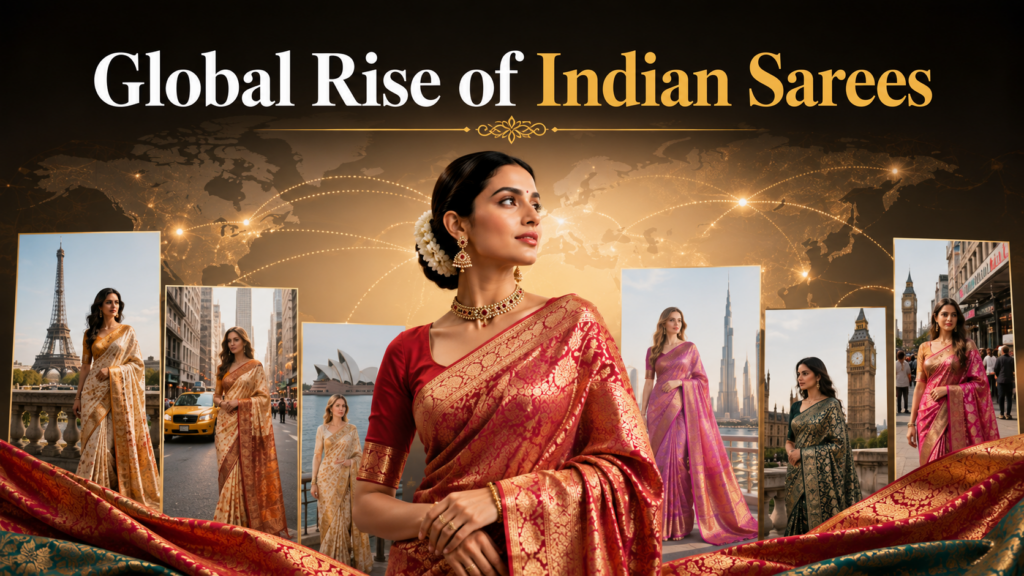
The Global Rise of Indian Sarees is one of the most remarkable success stories in the fashion and textile industry. Once considered traditional attire primarily worn within India, sarees have now gained recognition across international markets for their elegance, craftsmanship, and cultural significance. Today, fashion enthusiasts, designers, celebrities, and consumers around the world appreciate Indian sarees not only as garments but also as works of textile art. India’s textile heritage spans thousands of years, making it one of the world’s oldest centers of fabric production and craftsmanship. The combination of exceptional weaving techniques, premium fabrics, artistic designs, and cultural authenticity has played a crucial role in the Global Rise of Indian Sarees.  we celebrate this extraordinary journey and the textile excellence that continues to position Indian sarees among the most admired fashion creations globally. Why the Global Rise of Indian Sarees Matters The growing popularity of Indian sarees reflects more than changing fashion trends. It demonstrates the increasing global appreciation for: Traditional craftsmanship Sustainable fashion Cultural heritage Premium textiles Artisan-made products Timeless elegance The Global Rise of Indian Sarees has also created new opportunities for weavers, artisans, designers, and textile businesses across India. 1. India’s Rich Textile Heritage Built a Strong Foundation The story behind the Global Rise of Indian Sarees begins with India’s ancient textile traditions. For centuries, Indian textiles were traded across: Asia Europe Africa The Middle East Indian fabrics became famous for: Fine weaving Natural dyes Artistic motifs Superior quality This long-standing reputation helped establish India as a global leader in textile production and craftsmanship. Even today, many international consumers associate Indian sarees with authenticity and heritage. 2. Exceptional Craftsmanship Continues to Attract Global Attention Indian sarees are admired worldwide because of the extraordinary skill involved in their creation. Many traditional sarees require: Hand weaving Intricate embroidery Detailed craftsmanship Specialized artisan expertise Popular weaving traditions include: Banarasi Sarees Kanjeevaram Sarees Patola Sarees Chanderi Sarees Tussar Silk Sarees These heritage techniques contribute significantly to the Global Rise of Indian Sarees by offering something unique that mass-produced fashion often cannot replicate. 3. Premium Fabrics Enhance Global Appeal Fabric quality remains one of the strongest reasons for the success of Indian sarees. Luxury fabrics commonly used include: Pure Silk Tussar Silk Organza Chiffon Georgette Cotton Linen These premium materials provide: Superior comfort Elegant drape Long-lasting durability Luxurious appearance As consumers increasingly prioritize quality over quantity, Indian sarees continue gaining popularity in international markets. 4. Global Fashion Designers Embrace Indian Textiles The Global Rise of Indian Sarees has been accelerated by the growing influence of Indian textiles within the international fashion industry. Designers frequently incorporate: Traditional weaving techniques Indian embroidery Handcrafted textiles Ethnic-inspired patterns into contemporary collections. This integration introduces Indian textile artistry to new audiences while preserving traditional craftsmanship. As a result, Indian textiles have become an important source of inspiration for global fashion innovation. 5. Celebrity Influence Has Increased International Visibility Celebrities have played an important role in popularizing Indian sarees worldwide. International exposure through: Fashion events Award ceremonies Cultural festivals Social media has introduced sarees to millions of new viewers. The visual appeal of sarees, combined with their cultural richness, makes them particularly attractive for high-profile occasions. This visibility has contributed significantly to the Global Rise of Indian Sarees. 6. Sustainable Fashion Trends Support Traditional Textiles Modern consumers increasingly seek sustainable fashion choices. Many traditional Indian sarees align naturally with these values because they are often: Handcrafted Durable Artisan-made Produced using traditional techniques The growing interest in ethical fashion has encouraged consumers to invest in products that support craftsmanship and cultural preservation. This trend has created new opportunities for Indian textile producers. 7. Digital Commerce Expanded Global Reach Technology has transformed how sarees reach international customers. Online platforms now allow consumers worldwide to explore: Luxury sarees Handloom collections Designer textiles Regional weaving traditions Digital commerce has eliminated geographical barriers and contributed greatly to the Global Rise of Indian Sarees. Customers can now discover authentic Indian textiles regardless of location. 8. Innovation Strengthens Textile Excellence Innovation continues to play a major role in maintaining India’s textile leadership. Modern advancements include: Digital textile printing Advanced weaving technologies Sustainable manufacturing Improved quality control These innovations enhance efficiency while preserving traditional craftsmanship. The combination of heritage and innovation helps Indian textiles remain competitive in global markets. 9. Sarees Offer Timeless Versatility Unlike many fashion trends, sarees remain relevant across generations. They can be styled for: Weddings Festivals Formal events Professional settings Contemporary fashion looks This versatility contributes to the enduring appeal behind the Global Rise of Indian Sarees. Consumers appreciate garments that combine cultural significance with practical adaptability. 10. Cultural Identity Drives Continued Growth Beyond fashion, sarees represent culture, tradition, and personal expression. For many people, wearing a saree is a celebration of: Heritage Identity Artistry Family traditions As global audiences become more interested in cultural storytelling, Indian sarees continue attracting admiration and respect. This emotional connection strengthens their position in the international fashion landscape. Textile Excellence: The Foundation of Global Success The success of Indian sarees would not be possible without India’s broader textile excellence. Key strengths include: Factor Contribution Traditional Weaving Preserves authenticity Premium Fabrics Enhances quality Skilled Artisans Maintains craftsmanship Innovation Improves competitiveness Sustainability Supports modern values Global Distribution Expands accessibility Together, these factors have helped establish India as a global textile powerhouse. Challenges and Opportunities Ahead While the future is promising, the industry must continue addressing challenges such as: Global competition Sustainability requirements Artisan welfare Technological adaptation At the same time, opportunities continue expanding through: International demand Ethical fashion trends Digital marketplaces Luxury fashion growth These developments are expected to further accelerate the Global Rise of Indian Sarees. The Future of Indian Sarees The future looks exceptionally bright. Emerging trends include: Sustainable luxury textiles Smart manufacturing Global designer collaborations Digital customization Heritage-focused fashion As consumers increasingly value authenticity and craftsmanship, Indian sarees are likely to become even more influential within global fashion markets. The combination of tradition, innovation, and textile excellence ensures continued growth. Conclusion The Global

Why Fabric Quality Matters More Than Fashion Trends
Blog

9 Powerful Reasons Why Fabric Quality Matters More Than Fashion Trends

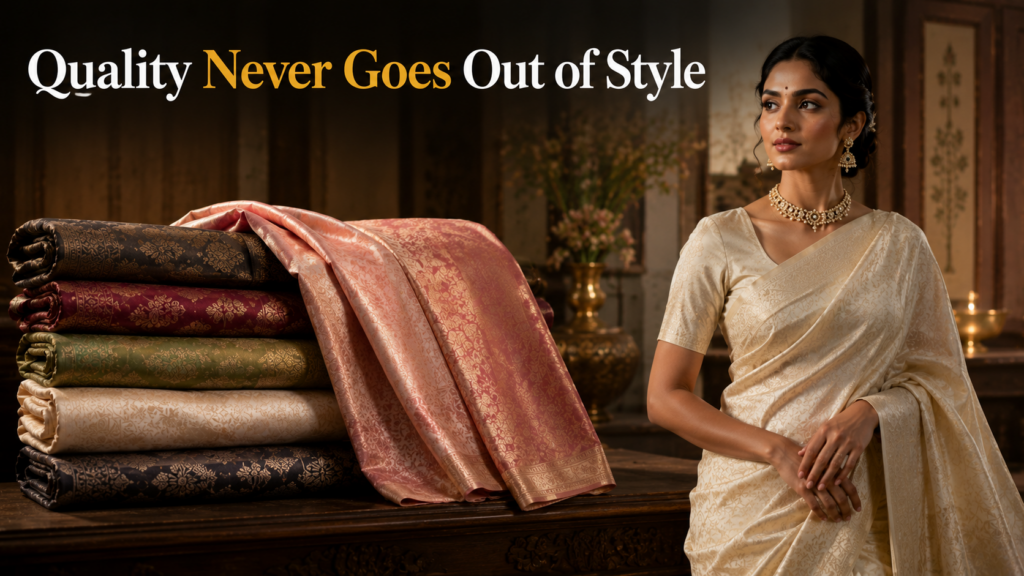
Fashion trends change constantly. One season may celebrate bold colors and oversized silhouettes, while another embraces minimalism and timeless elegance. However, amid these ever-changing styles, one factor remains consistently important: fabric quality. Understanding Why Fabric Quality Matters More Than Fashion Trends can help consumers make smarter purchasing decisions and build wardrobes that offer lasting value. While trends may influence what we buy, the quality of the fabric determines how comfortable, durable, attractive, and functional a garment remains over time. we believe that exceptional fashion begins with exceptional textiles. Whether you are investing in a saree, ethnic wear, or contemporary clothing, fabric quality often matters far more than temporary fashion trends. Understanding the Difference Between Fashion Trends and Fabric Quality Fashion trends are temporary style movements that gain popularity for a limited period. Examples include: Trending colors Seasonal prints Popular silhouettes Celebrity-inspired styles Fashion industry influences Fabric quality, on the other hand, refers to the characteristics that determine a textile’s performance and longevity. These include: Durability Comfort Texture Weaving quality Color retention Construction standards This distinction explains Why Fabric Quality Matters More Than Fashion Trends for consumers seeking long-term satisfaction. 1. High-Quality Fabrics Last Longer One of the strongest reasons Why Fabric Quality Matters More Than Fashion Trends is durability. Premium fabrics typically: Resist wear and tear Maintain their shape Withstand repeated washing Retain structural integrity While trendy garments may quickly lose appeal, well-made clothing remains valuable for years. A timeless garment crafted from quality materials often outlasts several trend-based purchases. 2. Fabric Quality Directly Affects Comfort Comfort plays a crucial role in clothing satisfaction. High-quality textiles generally provide: Better breathability Softer textures Improved moisture management Enhanced flexibility Consumers often wear comfortable garments more frequently, increasing their overall value. This is one of the primary reasons Why Fabric Quality Matters More Than Fashion Trends when building a practical wardrobe. 3. Premium Fabrics Create a Better Appearance Fabric quality significantly influences how a garment looks. Superior materials offer: Rich textures Elegant draping Refined finishes Enhanced visual appeal Even simple designs can appear luxurious when created using premium textiles. In contrast, poor-quality materials may diminish the impact of even the most fashionable designs. 4. Quality Clothing Offers Better Value Many consumers focus primarily on purchase price. However, true value depends on: Lifespan Performance Durability Frequency of use A garment made from quality fabric may cost more initially but often proves more economical over time. This long-term perspective highlights Why Fabric Quality Matters More Than Fashion Trends in responsible fashion purchasing. 5. Quality Fabrics Support Sustainable Fashion Sustainability has become increasingly important within the fashion industry. High-quality textiles contribute by: Reducing waste Extending garment lifespan Encouraging mindful consumption Lowering replacement frequency Consumers who invest in durable clothing help reduce the environmental impact associated with fast fashion. 6. Fabric Quality Enhances Garment Fit The way clothing fits depends heavily on material performance. Premium fabrics often provide: Better structure Consistent drape Improved flexibility Enhanced movement These characteristics help garments maintain their intended shape and appearance. As a result, consumers enjoy greater confidence and comfort while wearing them. 7. Timeless Fashion Relies on Quality Materials Many iconic garments remain stylish for decades because of their quality rather than their trendiness. Examples include: Silk sarees Linen garments Tailored clothing Handcrafted ethnic wear The longevity of these garments demonstrates Why Fabric Quality Matters More Than Fashion Trends in creating enduring style. Timeless fashion begins with timeless materials. 8. Better Fabric Quality Improves Craftsmanship Artisans and designers achieve superior results when working with premium materials. High-quality fabrics support: Intricate weaving Detailed embroidery Precise tailoring Decorative enhancements The relationship between craftsmanship and material quality remains central to luxury fashion. Superior textiles allow artisans to showcase their skills more effectively. 9. Quality Fabrics Preserve Their Beauty One common problem with lower-quality clothing is rapid deterioration. Premium fabrics generally maintain: Color vibrancy Shape retention Surface texture Overall appearance Consumers appreciate garments that continue to look attractive after years of use. This lasting beauty further explains Why Fabric Quality Matters More Than Fashion Trends. Popular Fabrics Known for Exceptional Quality Several textiles are widely respected for their performance and durability. Silk Known for luxury, elegance, and longevity. Cotton Valued for comfort and versatility. Linen Appreciated for durability and natural appeal. Chanderi Celebrated for lightweight sophistication. Organza Popular for its elegant structure and modern style. These materials continue to play important roles in both traditional and contemporary fashion. Fabric Quality vs Fashion Trends Fabric Quality Fashion Trends Long-lasting value Temporary popularity Better durability Short-term appeal Enhanced comfort Style-focused Sustainable choice Frequently changing Timeless relevance Seasonal relevance This comparison clearly demonstrates why fabric quality deserves greater attention when evaluating clothing purchases. How Consumers Can Evaluate Fabric Quality When shopping for garments, consider: Fabric composition Weaving consistency Texture Weight Construction quality Finishing details These factors often reveal more about a garment’s value than its trend status. Understanding textile quality helps consumers make more informed decisions. The Role of Fabric Quality in Ethnic Fashion Indian ethnic fashion places significant emphasis on textile quality. Premium sarees and traditional garments rely on: Fine weaving Quality fibers Skilled craftsmanship Superior finishing These characteristics contribute to the elegance and longevity of heritage textiles. The enduring popularity of traditional Indian fabrics further illustrates Why Fabric Quality Matters More Than Fashion Trends. Conclusion Why Fabric Quality Matters More Than Fashion Trends ultimately comes down to long-term value, comfort, durability, appearance, and sustainability. While trends may influence purchasing decisions, fabric quality determines whether a garment continues to perform and satisfy over time. Consumers who prioritize quality materials often enjoy wardrobes filled with timeless pieces that remain beautiful, functional, and relevant for years. By focusing on superior textiles rather than short-lived trends, individuals can make smarter fashion choices that benefit both their personal style and the environment. Frequently Asked Questions Why does fabric quality matter in fashion? Fabric quality influences comfort, durability, appearance, sustainability, and overall garment performance. Why Fabric Quality Matters More Than Fashion Trends? Because quality fabrics provide long-term value, while trends often

Textile Manufacturing in India: 10 Amazing Changes That Revolutionized the Industry
Blog

Textile Manufacturing in India: 10 Powerful Innovations Driving Industry Growth

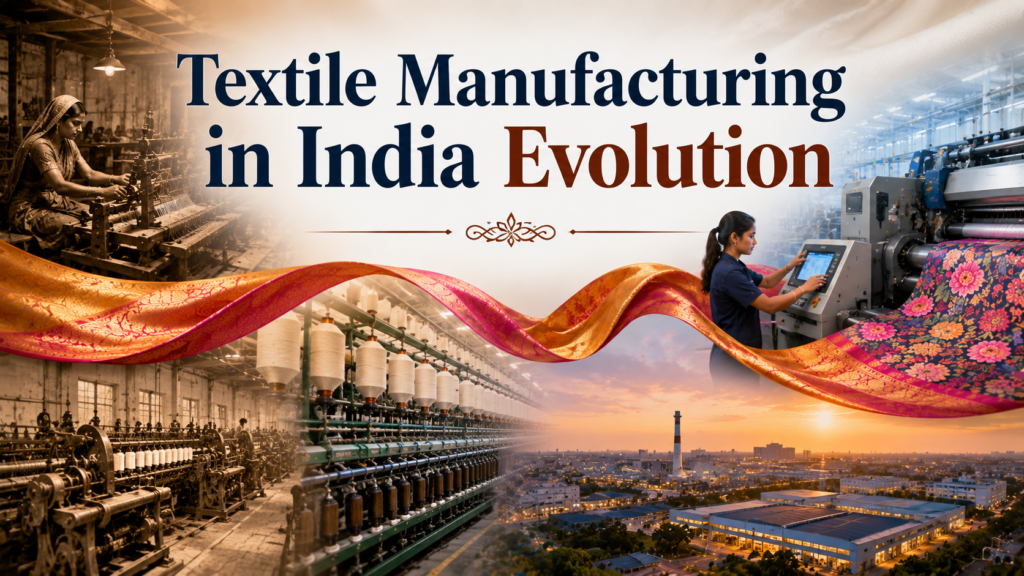
Textile Manufacturing in India has undergone a remarkable transformation over the past several decades. From ancient handloom traditions and artisan craftsmanship to automated textile mills and sustainable production technologies, India’s textile sector continues to evolve while preserving its rich heritage. Today, Textile Manufacturing in India contributes significantly to employment, exports, economic growth, and global fashion markets. This article explores 10 remarkable ways the industry has evolved and what the future holds for one of India’s most important manufacturing sectors. Textile Manufacturing in India has a rich and fascinating history that spans thousands of years. From ancient handwoven fabrics that were prized across global trade routes to modern textile mills equipped with advanced technologies, India’s textile industry has continuously evolved while preserving its cultural heritage. Today, India stands among the world’s largest textile producers, supplying fabrics, garments, and handcrafted textiles to domestic and international markets. The journey of Textile Manufacturing in India reflects a remarkable blend of tradition, innovation, craftsmanship, and industrial progress. we celebrate India’s textile legacy and the innovations that continue to shape the future of fashion and fabric production. Understanding how textile manufacturing has evolved over the decades helps us appreciate the artistry, resilience, and technological advancements that have defined this important industry. Why Textile Manufacturing in India Continues to Attract Global Brands Many international fashion and textile companies source products from India because of: High-quality cotton production Skilled workforce Competitive manufacturing costs Strong export infrastructure Diverse textile capabilities Sustainable production initiatives This global trust has helped India remain a leading textile manufacturing destination. 1. Ancient India Was a Global Textile Leader The story of Textile Manufacturing in India begins in ancient civilizations. Indian cotton fabrics were highly sought after by traders from: Egypt Persia Rome China Regions across India became known for producing exceptional textiles featuring intricate weaving techniques and natural dyes. Traditional fabrics such as muslin, silk, and handwoven cotton established India as one of the earliest textile manufacturing centers in the world. These textiles were valued for their quality, craftsmanship, and artistic beauty. 2. Handloom Traditions Shaped Early Manufacturing For centuries, handlooms formed the foundation of Textile Manufacturing in India. Skilled artisans developed regional weaving traditions such as: Banarasi weaving Kanjeevaram weaving Chanderi weaving Patola weaving Jamdani weaving These techniques were passed down through generations and became deeply connected to India’s cultural identity. Even today, handloom weaving remains an important part of the textile ecosystem. 3. The Colonial Era Changed the Industry The colonial period brought significant changes to Indian textile production. British industrialization introduced machine-made textiles that competed with traditional Indian fabrics. This era led to: Declining artisan livelihoods Reduced handloom production Increased imports of manufactured textiles Despite these challenges, many traditional weaving communities preserved their techniques and continued producing high-quality handcrafted textiles. Their resilience helped safeguard India’s textile heritage. 4. Independence Sparked Industrial Growth Following independence in 1947, India focused on rebuilding and modernizing its textile sector. Government initiatives encouraged: Textile mill development Infrastructure improvements Domestic production growth Employment creation This period marked a major transformation in Textile Manufacturing in India, as the industry expanded beyond traditional handloom production. Modern mills began producing textiles at larger scales while supporting economic development. 5. Power Looms Increased Production Capacity The introduction of power looms significantly increased manufacturing efficiency. Power loom technology allowed producers to: Increase output Reduce production time Meet growing demand Improve fabric availability While handlooms continued serving premium and heritage markets, power looms enabled mass production and broader accessibility. This balance between traditional and industrial production remains important today. 6. Textile Technology Revolutionized Manufacturing Advancements in textile technology transformed nearly every aspect of production. Modern innovations include: Computerized weaving systems Digital textile printing Automated quality control Advanced dyeing techniques Precision fabric engineering These developments improved efficiency, consistency, and product quality. As a result, Textile Manufacturing in India became increasingly competitive in international markets. Technology also enabled manufacturers to respond more quickly to changing fashion trends. 7. India’s Textile Exports Expanded Globally Globalization opened new opportunities for Indian textile producers. Export markets expanded significantly as manufacturers supplied: Fashion brands Retail chains Luxury textile companies Home furnishing businesses India gained recognition for: Cotton textiles Silk fabrics Handcrafted textiles Sustainable fashion products The growth of exports strengthened India’s position as a major global textile hub. 8. Sustainable Manufacturing Became a Priority In recent years, sustainability has become an important focus within Textile Manufacturing in India. Manufacturers are adopting environmentally responsible practices such as: Water conservation Eco-friendly dyeing Organic fibers Waste reduction Renewable energy usage Consumers increasingly value ethical and sustainable fashion choices, encouraging further industry transformation. Sustainability now plays a critical role in shaping the future of textile production. 9. Digital Innovation Is Driving Modern Growth Digital technologies continue to influence Textile Manufacturing in India. Manufacturers now use: Digital printing systems E-commerce platforms Design software Supply chain analytics Smart manufacturing tools These innovations improve efficiency and create new opportunities for customization. Digital transformation has also helped traditional artisans reach broader audiences through online marketplaces and direct-to-consumer channels. 10. Tradition and Innovation Are Working Together Perhaps the most important evolution is the successful integration of tradition and technology. Today’s textile industry embraces: Heritage craftsmanship Advanced manufacturing Sustainable production Modern design innovation Rather than replacing traditional techniques, innovation often helps preserve them. Many brands collaborate directly with artisan communities to create products that combine cultural authenticity with contemporary appeal. This partnership ensures that India’s textile legacy continues to thrive. The Impact on Fashion and Sarees The evolution of Textile Manufacturing in India has had a profound influence on fashion. Modern consumers benefit from: Improved fabric quality Greater design variety Enhanced comfort Sustainable options Innovative textiles Traditional garments such as sarees now feature advanced weaving techniques, modern dyeing methods, and improved fabric performance while retaining their cultural significance. This balance between heritage and innovation continues to define Indian fashion. Challenges Facing the Industry Despite its success, the textile sector faces ongoing challenges. These include: Global competition Rising production costs Environmental concerns Skilled labor shortages Changing consumer expectations Addressing

7 Powerful Ways Advanced Weaving Technology Preserves Traditional Craftsmanship
Blog

7 Powerful Ways Advanced Weaving Technology Preserves Traditional Craftsmanship

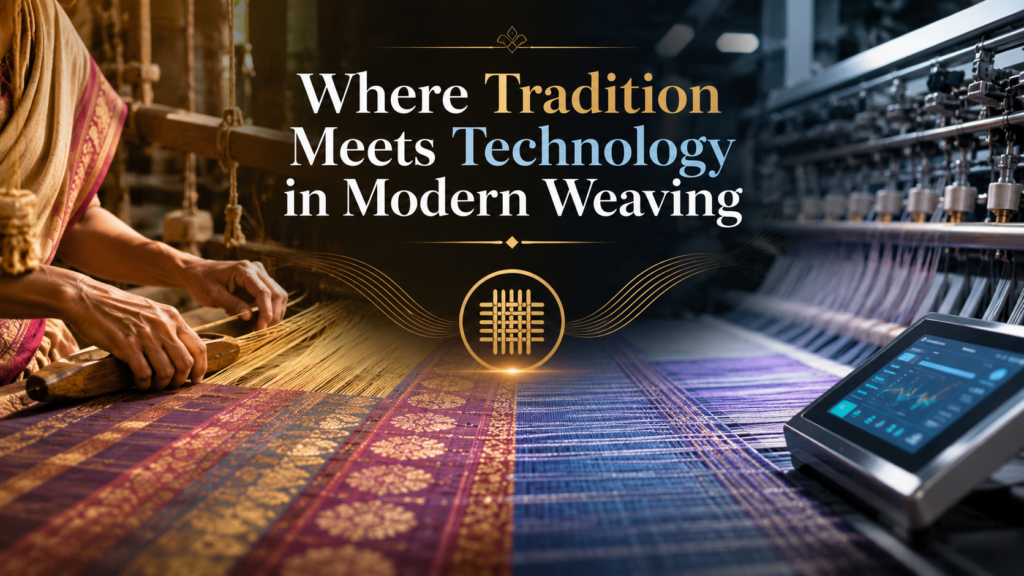
Advanced Weaving Technology Preserves Traditional Craftsmanship by creating a bridge between centuries-old textile traditions and modern manufacturing innovations. For generations, skilled artisans have used handlooms and traditional weaving techniques to create some of the world’s most admired textiles. Today, as consumer demands evolve and the textile industry becomes increasingly competitive, technology is helping ensure that these valuable traditions not only survive but continue to thrive. Many people assume that technology replaces traditional craftsmanship. In reality, modern weaving advancements often strengthen artisan communities by improving productivity, maintaining quality, and expanding market opportunities. Instead of diminishing heritage skills, Advanced Weaving Technology Preserves Traditional Craftsmanship and helps protect these valuable traditions for future generations. We believe that innovation and tradition can work together to celebrate the rich legacy of textile craftsmanship while meeting the expectations of today’s consumers. Why Advanced Weaving Technology Preserves Traditional Craftsmanship The relationship between technology and tradition is often misunderstood. While industrialization introduced large-scale manufacturing, many modern weaving technologies are designed to complement rather than replace traditional skills. Today, Advanced Weaving Technology Preserves Traditional Craftsmanship by: Supporting artisan productivity Enhancing fabric quality Preserving traditional patterns Reducing physical strain Expanding market reach Improving consistency Encouraging innovation These benefits help artisan communities remain competitive while maintaining their cultural identity. Understanding Traditional Craftsmanship in Textile Weaving Traditional weaving is one of the oldest forms of textile production. Across India and many parts of the world, weaving traditions have been passed down through generations. Each region developed unique techniques, motifs, and weaving styles that reflect local culture and history. Examples include: Banarasi weaving Kanjeevaram weaving Patola weaving Chanderi weaving Jamdani weaving These traditions require years of training and exceptional attention to detail. Every handcrafted textile represents a combination of technical expertise, creativity, and cultural heritage. This is one reason why Advanced Weaving Technology Preserves Traditional Craftsmanship has become such an important topic within the textile industry. 1. Technology Helps Preserve Traditional Designs One of the most significant ways Advanced Weaving Technology Preserves Traditional Craftsmanship is through design preservation. Historically, traditional motifs and patterns were passed from one generation to another through manual instruction. Modern technology now allows artisans and organizations to: Digitally archive designs Store weaving patterns Document regional techniques Protect cultural heritage This ensures that valuable knowledge remains accessible even as generations change. By preserving traditional designs digitally, weaving communities can safeguard their artistic legacy for the future. 2. Improved Loom Technology Supports Artisan Efficiency Modern weaving technology has significantly improved loom performance. Advanced looms can assist artisans by: Reducing repetitive labor Improving precision Increasing productivity Enhancing comfort Importantly, these improvements do not necessarily eliminate the artisan’s role. Instead, they allow weavers to focus on creativity and craftsmanship while minimizing physical strain. This support helps attract younger generations to the profession by making weaving more sustainable as a career. Another reason Advanced Weaving Technology Preserves Traditional Craftsmanship is that it allows artisans to maintain quality while improving production efficiency. 3. Better Quality Control Protects Craftsmanship Standards Maintaining quality is essential for preserving traditional textile reputation. Modern quality-control technologies help identify issues such as: Thread inconsistencies Pattern misalignment Weaving defects Color variations By addressing these challenges early, artisans can produce textiles that meet modern consumer expectations without compromising traditional techniques. As a result, Advanced Weaving Technology Preserves Traditional Craftsmanship while ensuring that heritage products remain competitive in global markets. 4. Technology Expands Market Access for Artisans Historically, many artisan communities relied on local markets to sell their products. Today, digital technology has transformed market access. Artisans can now: Showcase products online Reach international customers Build brand recognition Participate in global fashion trends Advanced weaving technology combined with digital commerce creates new opportunities for traditional craftspeople. This increased visibility demonstrates how Advanced Weaving Technology Preserves Traditional Craftsmanship while creating sustainable economic opportunities. 5. Innovation Encourages Younger Generations to Participate One challenge facing traditional craftsmanship is attracting younger artisans. Many younger individuals seek careers that offer: Stability Growth opportunities Modern working conditions Technological improvements help make weaving more appealing by: Enhancing productivity Reducing physical demands Increasing earning potential Connecting artisans with modern markets By modernizing aspects of the profession, Advanced Weaving Technology Preserves Traditional Craftsmanship and encourages future generations to continue these valuable traditions. 6. Sustainable Production Supports Long-Term Preservation Sustainability has become increasingly important in textile manufacturing. Modern weaving technologies support sustainability through: Reduced material waste Improved resource efficiency Better energy management Responsible production methods These advancements help traditional weaving communities remain environmentally responsible while reducing operational costs. Sustainable practices also align with growing consumer demand for ethical fashion products. This demand creates additional incentives for preserving artisan craftsmanship and further proves that Advanced Weaving Technology Preserves Traditional Craftsmanship in a responsible manner. 7. Technology Enables Creative Innovation Without Losing Heritage Innovation does not have to mean abandoning tradition. Modern weaving technology allows artisans to experiment with: New color combinations Contemporary motifs Innovative fabric blends Modern product applications At the same time, traditional weaving techniques remain central to the production process. This balance helps heritage crafts evolve naturally while maintaining their cultural authenticity. Many successful textile brands combine traditional artistry with modern innovation to create products that appeal to contemporary consumers. The Role of Handloom Weaving in Modern Fashion Handloom weaving continues to play an important role in today’s fashion industry. Consumers increasingly value: Authenticity Craftsmanship Sustainability Cultural heritage As a result, handcrafted textiles are experiencing renewed appreciation. Advanced weaving technologies help handloom communities meet growing demand while preserving the qualities that make their products unique. This partnership between tradition and innovation benefits both artisans and consumers. How Technology Protects Textile Heritage Textile heritage is more than fabric production. It represents: Cultural identity Historical knowledge Artistic expression Community traditions Technology helps protect this heritage through: Digital Documentation Traditional techniques can be recorded and preserved. Educational Resources Future generations can access learning materials and training. Design Preservation Historic motifs and weaving patterns can be archived. Global Awareness Technology helps introduce traditional textiles to broader audiences. These efforts contribute significantly to long-term cultural preservation and

Digital Printing in Modern Textile Manufacturing
Blog

9 Essential Facts About Digital Printing in Modern Textile Manufacturing

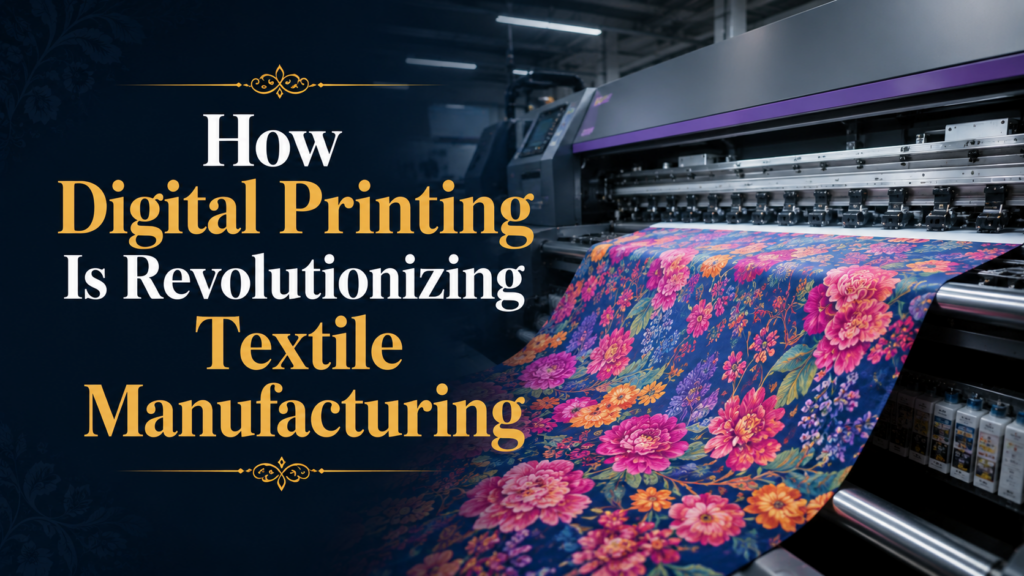
Digital Printing in Modern Textile Manufacturing: 9 Essential Facts You Should Know Digital Printing in Modern Textile Manufacturing is revolutionizing the textile industry by enabling faster production, greater customization, enhanced sustainability, and exceptional design flexibility. As consumer demand for innovative fabrics and personalized fashion continues to grow, Digital Printing in Modern Textile Manufacturing has become one of the most important technological advancements shaping the future of textiles. Traditional textile printing methods have served the industry for decades, but modern consumers now demand faster production, greater customization, sustainable practices, and intricate designs. Digital printing addresses these demands while helping manufacturers reduce waste and improve production efficiency. As technology continues to evolve, Digital Printing in Modern Textile Manufacturing is helping brands meet changing market demands while improving efficiency, sustainability, and design capabilities. We recognize the importance of innovation in preserving the beauty and craftsmanship of textiles while meeting the expectations of modern consumers. This guide explores the essential facts about digital printing and its growing role in modern textile manufacturing. What Is Digital Printing in Textile Manufacturing? Digital printing is a modern fabric decoration process where digital images are printed directly onto textiles using specialized inkjet technology. Unlike traditional printing methods that require screens, plates, or rollers, digital printing transfers designs directly from a computer to fabric. This process allows manufacturers to produce: Highly detailed patterns Vibrant colors Custom designs Short production runs Personalized textiles The technology has become increasingly popular across fashion, home décor, and textile industries because of its versatility and efficiency. The growing adoption of Digital Printing in Modern Textile Manufacturing reflects the industry’s shift toward faster, more flexible, and sustainable production methods. 1. Digital Printing Enables Exceptional Design Freedom One of the greatest advantages of Digital Printing in Modern Textile Manufacturing is its ability to create highly detailed and complex designs. Traditional printing methods often face limitations regarding color variations and intricate artwork. Digital printing allows designers to incorporate: Photographic images Detailed illustrations Complex gradients Fine patterns Unlimited color combinations This creative freedom has transformed fashion design by allowing brands to experiment with innovative concepts that were previously difficult or expensive to produce. 2. Faster Production and Shorter Lead Times Speed is a major advantage in today’s competitive fashion market. Traditional printing often involves: Screen preparation Color separation Plate production Extensive setup procedures Digital printing eliminates many of these steps. Benefits include: Faster sampling Quick design revisions Reduced setup time Accelerated production cycles Manufacturers can respond more quickly to changing consumer preferences and fashion trends. One reason Digital Printing in Modern Textile Manufacturing has gained widespread acceptance is its ability to dramatically reduce production timelines while maintaining high-quality output. This flexibility is particularly valuable for seasonal collections and limited-edition designs. 3. Digital Printing Supports Customization Consumers increasingly seek unique and personalized products. Digital textile printing makes customization more accessible than ever. Brands can easily produce: Personalized garments Custom sarees Limited collections Exclusive designs Small production runs Without the need for expensive screens or setup costs, manufacturers can efficiently fulfill customized orders. This capability is helping brands create stronger connections with customers through personalized fashion experiences. 4. Reduced Waste Makes It More Sustainable Sustainability has become a major priority across the fashion and textile industries. One important advantage of Digital Printing in Modern Textile Manufacturing is its potential to reduce waste. Compared with many traditional methods, digital printing typically requires: Less water Fewer chemicals Reduced fabric waste Lower inventory levels Manufacturers can print only what is needed, minimizing excess production and supporting more responsible manufacturing practices. Sustainability initiatives across the industry increasingly rely on Digital Printing in Modern Textile Manufacturing to lower environmental impact and support eco-friendly production. As consumers increasingly value eco-friendly products, digital printing plays an important role in sustainable fashion initiatives. 5. Improved Color Accuracy and Consistency Color quality is critical in textile production. Digital printing technology provides exceptional color control through advanced software and precision ink application. Advantages include: Accurate color matching Consistent results Enhanced detail reproduction Vibrant color output This consistency helps brands maintain quality standards across multiple production runs. For fashion products, reliable color reproduction is essential for meeting customer expectations and protecting brand reputation. 6. Ideal for Small and Medium Production Runs Traditional printing methods are often most cost-effective for large production volumes. However, modern fashion trends increasingly favor flexibility and smaller collections. Digital printing offers significant advantages for: Boutique fashion brands Designer collections Seasonal launches Experimental products Limited-edition textiles Manufacturers can produce smaller quantities without incurring substantial setup costs. This flexibility encourages innovation and reduces financial risk associated with new product development. 7. Compatible with Various Fabric Types Modern digital printing systems can work with a wide range of textiles. Cotton Popular for fashion apparel and casual wear. Silk Ideal for luxury sarees, scarves, and premium garments. Linen Widely used in contemporary fashion and home textiles. Polyester Frequently used for activewear and technical textiles. Blended Fabrics Offer versatility for diverse applications. This compatibility makes digital printing suitable for numerous segments within the textile industry. This versatility demonstrates why Digital Printing in Modern Textile Manufacturing is suitable for both fashion textiles and specialized industrial applications. 8. Enhances Fashion Innovation The fashion industry thrives on creativity and continuous innovation. Digital printing enables designers to explore new possibilities without many of the constraints associated with traditional printing methods. Benefits include: Rapid prototyping Creative experimentation Complex artwork integration On-demand production Designers can quickly test ideas, refine concepts, and introduce unique products to the market. Designers worldwide are using Digital Printing in Modern Textile Manufacturing to launch innovative collections and respond rapidly to evolving fashion trends. This innovation helps brands remain competitive in an increasingly dynamic fashion landscape. 9. The Future of Textile Manufacturing The future of Digital Printing in Modern Textile Manufacturing appears exceptionally promising. Ongoing advancements are improving: Printing speed Ink performance Sustainability Fabric compatibility Production efficiency As technology continues to evolve, digital printing is expected to play an even greater role in shaping the future of textiles. Manufacturers that embrace these innovations

Scroll to Top