Blog

Evaluate Saree Quality Before Making a Purchase
Blog

10 Expert Tips to Evaluate Saree Quality Before Making a Purchase

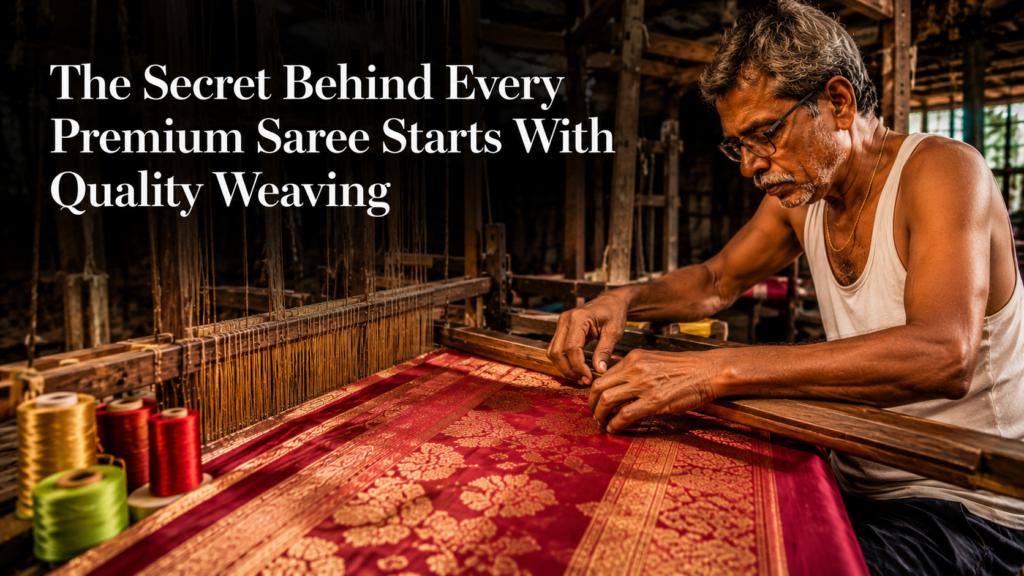
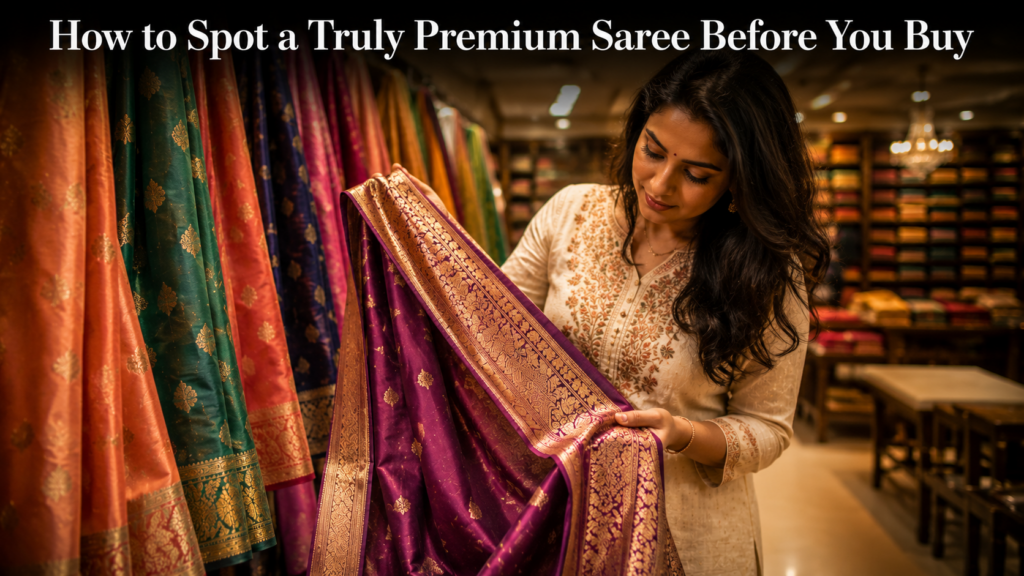
Evaluate Saree Quality Before Making a Purchase is an important skill for anyone looking to invest in a saree that offers beauty, comfort, and long-lasting value. A premium saree is more than an attractive color or elegant design; it reflects craftsmanship, fabric quality, weaving excellence, and durability. Whether you are shopping for a wedding, festive celebration, office wear, or a special occasion, knowing how to identify a high-quality saree helps you make a smart and confident purchase. Many buyers focus only on appearance, but the true value of a saree lies in its construction. The quality of the fabric, precision of the weave, finishing, zari work, stitching, and overall craftsmanship determine how well the saree looks, feels, and lasts over time. This comprehensive guide explains how to evaluate saree quality before making a purchase, providing practical tips to help you choose premium sarees that offer elegance, comfort, and long-lasting value. Why Saree Quality Matters A high-quality saree is designed to maintain its beauty and structure for years. Superior craftsmanship not only enhances its appearance but also improves comfort and durability. Premium sarees offer: Better draping Long-lasting fabric Rich texture Elegant finishing Greater value for money Choosing quality ensures that your saree remains beautiful even after repeated use. Key Elements That Define Saree Quality Before making a purchase, examine these essential factors: Fabric quality Weaving precision Thread count Zari craftsmanship Border finishing Color consistency Stitching quality Brand reputation These elements collectively determine the overall quality of a saree. 10 Expert Tips to Evaluate Saree Quality Before Making a Purchase 1. Check the Fabric Quality The fabric is the foundation of every saree. Premium materials include: Pure silk Cotton Linen Organza Chiffon Georgette A quality fabric feels soft, breathable, and comfortable while maintaining its strength. 2. Examine the Weaving One of the most important ways to Evaluate Saree Quality Before Making a Purchase is by inspecting the weave. Look for: Uniform weaving Balanced threads Even texture Consistent patterns High-quality weaving ensures durability and graceful draping. 3. Feel the Texture Run your hand across the fabric. Premium sarees should feel: Smooth Rich Soft Comfortable Avoid fabrics that feel excessively rough or stiff unless the fabric naturally has that characteristic. 4. Inspect the Borders The border often reveals the craftsmanship behind the saree. Check for: Straight alignment Neat finishing Consistent width Secure weaving Premium borders remain strong even after years of use. 5. Look at the Zari Work If the saree contains zari, inspect its quality carefully. Good zari should have: Uniform shine Tight weaving Clean detailing Secure attachment Poor-quality zari may loosen or fade over time. 6. Verify the Color Consistency Premium sarees display even coloring throughout the fabric. Check for: Uniform shades No patchiness Smooth dye distribution Rich color depth Consistent dyeing indicates careful manufacturing. 7. Examine the Stitching and Finishing Designer sarees with attached embellishments should feature: Clean stitching Neatly finished edges Secure decorative elements No loose threads Attention to detail reflects superior craftsmanship. 8. Check the Weight and Drape Every fabric has its own natural weight. A premium saree should: Fall gracefully Create elegant pleats Maintain shape Feel balanced while wearing Good draping significantly enhances overall appearance. 9. Look for Authenticity and Certifications When purchasing silk sarees, choose trusted manufacturers and verify authenticity wherever possible. Look for: Brand reputation Product information Quality certifications Fabric details Buying from reputable sellers reduces the risk of counterfeit products. 10. Buy From a Trusted Brand The easiest way to Evaluate Saree Quality Before Making a Purchase is to purchase from a reliable textile brand that follows strict quality standards. Established brands focus on: Premium materials Skilled craftsmanship Rigorous quality inspection Consistent customer satisfaction Trustworthy brands provide confidence with every purchase. Common Mistakes Buyers Make Avoid these common errors when purchasing a saree: Choosing Only by Appearance Beautiful designs do not always indicate premium quality. Ignoring Fabric Composition Always check the material before buying. Overlooking Weaving Quality Weaving directly affects durability and comfort. Not Inspecting Borders Weak borders often indicate poor craftsmanship. Buying From Unknown Sellers Always choose trusted brands with a reputation for quality. Why Premium Sarees Are Worth the Investment Although premium sarees may cost more initially, they provide excellent long-term value. Benefits include: Superior durability Elegant appearance Comfortable wear Better craftsmanship Timeless style A well-crafted saree often becomes a treasured heirloom passed down through generations. Caring for Your Premium Saree Proper care helps preserve quality. Recommended practices include: Store in breathable cotton or muslin cloth. Avoid prolonged exposure to sunlight. Dry clean delicate silk sarees. Refold periodically to prevent permanent creases. Keep the saree in a cool, dry place. These simple habits extend the life of premium fabrics. Conclusion Understanding How to Evaluate Saree Quality Before Making a Purchase allows you to make informed decisions and invest in garments that offer exceptional beauty, comfort, and durability. By examining the fabric, weaving, texture, borders, zari work, finishing, and authenticity, you can confidently identify premium sarees that reflect superior craftsmanship. Whether you’re buying a luxurious silk saree, an elegant handloom creation, or a contemporary designer piece, focusing on quality rather than appearance alone ensures long-lasting value. A premium saree is not just a fashion choice—it is a timeless investment in India’s rich textile heritage and skilled craftsmanship. Frequently Asked Questions How can I identify a high-quality saree? Check the fabric, weaving, borders, texture, finishing, zari work, and overall craftsmanship before purchasing. Does weaving quality affect durability? Yes. Strong and uniform weaving significantly improves the saree’s lifespan and appearance. Why are premium sarees more expensive? Premium sarees use better fabrics, skilled craftsmanship, detailed weaving, and strict quality control. Should I buy handloom or powerloom sarees? Both have advantages. Handloom sarees offer artisan craftsmanship, while premium powerloom sarees provide consistent quality and affordability. How can I avoid buying fake silk sarees? Purchase from trusted brands, verify product details, and look for recognized authenticity certifications whenever available.
Why Indian Sarees Have Remained Timeless for Generations
Blog

10 Incredible Reasons Why Indian Sarees Have Remained Timeless for Generations

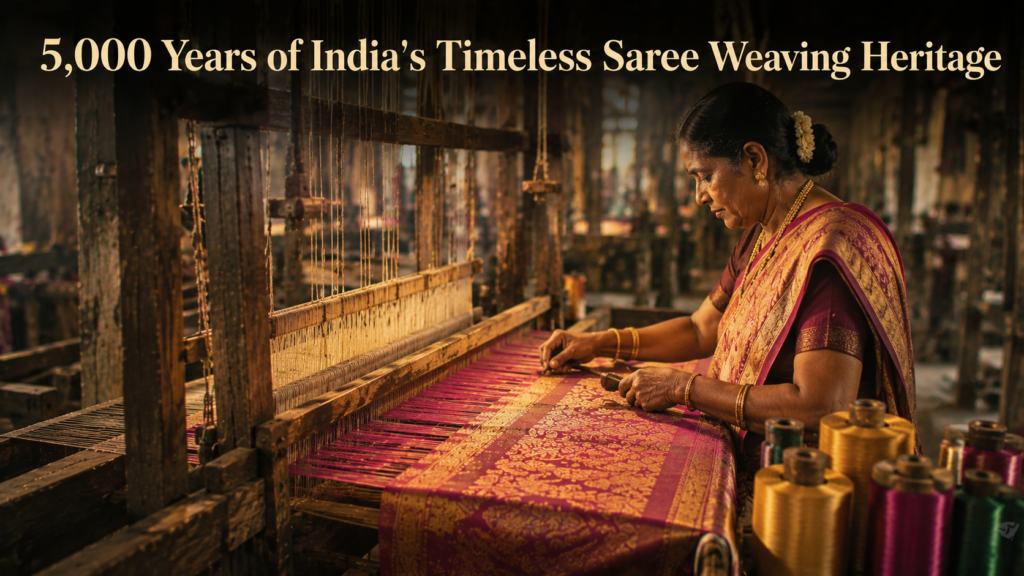
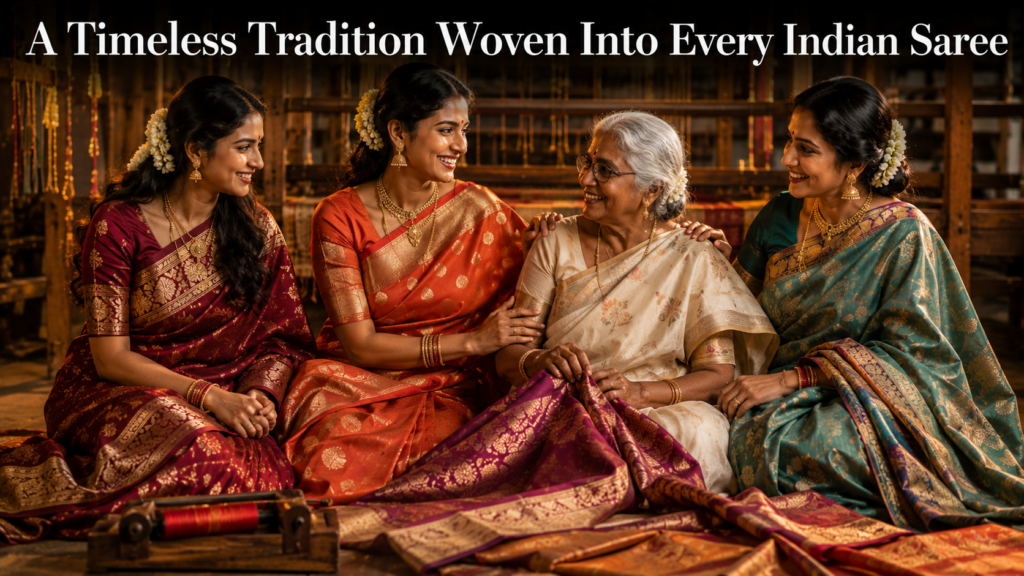
Fashion trends may change every season, but one garment has gracefully stood the test of time—the Indian saree. For thousands of years, sarees have remained an essential part of Indian culture, symbolizing elegance, tradition, and artistic excellence. From royal courts and ancient temples to modern weddings and international fashion runways, the saree continues to evolve while preserving its timeless identity. Understanding Why Indian Sarees Have Remained Timeless for Generations reveals much more than their beauty. Their enduring popularity comes from exceptional craftsmanship, luxurious fabrics, regional weaving traditions, unmatched versatility, and deep cultural significance. Whether crafted from silk, cotton, georgette, chiffon, or organza, every saree tells a story that connects India’s rich heritage with contemporary fashion. This comprehensive guide explores Why Indian Sarees Have Remained Timeless for Generations, highlighting the qualities that continue to make them one of the world’s most admired traditional garments. The Timeless Legacy of Indian Sarees The history of the saree dates back more than 5,000 years, making it one of the oldest continuously worn garments in the world. Throughout history, sarees have reflected: Regional traditions Skilled craftsmanship Cultural identity Artistic creativity Family heritage Every weave carries centuries of knowledge passed down through generations of Indian artisans. Why Sarees Continue to Inspire Every Generation Unlike many fashion trends, sarees adapt to changing lifestyles while maintaining their traditional essence. They remain popular because they combine: Elegance Comfort Versatility Cultural pride Modern styling possibilities This balance makes the saree timeless. 10 Incredible Reasons Why Indian Sarees Have Remained Timeless for Generations 1. Rich Cultural Heritage One of the biggest reasons Why Indian Sarees Have Remained Timeless for Generations is their deep connection to India’s history and traditions. Sarees continue to represent: Festivals Weddings Religious ceremonies Family celebrations National identity Every region contributes unique weaving styles that enrich India’s textile legacy. 2. Extraordinary Craftsmanship Premium sarees showcase generations of artisan expertise. Traditional craftsmanship includes: Handloom weaving Intricate zari work Fine embroidery Detailed motifs Precision finishing Exceptional craftsmanship ensures every saree remains a work of art. 3. Timeless Elegance Few garments offer the same graceful appearance as a saree. Its flowing silhouette creates: Elegant draping Sophisticated styling Feminine beauty Classic appeal Elegance never goes out of fashion. 4. Incredible Variety of Fabrics Indian sarees are available in numerous luxurious fabrics, including: Silk Cotton Chiffon Georgette Organza Linen Tissue Each fabric offers a unique combination of comfort, texture, and style. 5. Regional Weaving Traditions India’s textile diversity has created iconic saree styles such as: Banarasi Kanchipuram Paithani Patola Chanderi Jamdani Muga Silk These regional masterpieces preserve centuries-old weaving traditions. 6. Adaptability to Modern Fashion Today’s designers successfully blend heritage with innovation. Modern sarees feature: Contemporary colors Lightweight fabrics Minimalist designs Designer blouses Fusion styling This evolution keeps sarees relevant for younger generations. 7. Suitable for Every Occasion A saree remains one of the most versatile garments. It can be worn for: Weddings Office wear Festivals Formal events Parties Casual gatherings Few outfits offer such remarkable flexibility. 8. Long-Lasting Investment Premium sarees are known for their durability. High-quality weaving and premium fabrics ensure they can be treasured for decades, often becoming cherished family heirlooms. 9. Sustainable Fashion Choice Traditional handloom sarees support: Skilled artisans Eco-friendly production Natural fibers Ethical craftsmanship As consumers embrace sustainable fashion, handwoven sarees have gained even greater appreciation. 10. Emotional and Family Value Perhaps the strongest reason Why Indian Sarees Have Remained Timeless for Generations is the emotional connection they create. Many sarees are: Passed from mothers to daughters Worn during milestone celebrations Preserved as treasured memories Celebrated as family heirlooms Their value extends far beyond fashion. How Modern Fashion Has Reinvented Sarees The modern textile industry continues to innovate while respecting traditional craftsmanship. Today’s premium sarees combine: Heritage weaving Contemporary designs Sustainable production Digital textile technology Luxury finishing This balance ensures that sarees continue appealing to global audiences. How to Choose a Timeless Premium Saree When investing in a premium saree, consider: Fabric Quality Choose high-quality silk, cotton, or blended fabrics. Weaving Excellence Look for uniform weaving and intricate craftsmanship. Versatile Design Classic patterns remain fashionable for years. Trusted Brand Purchase from reputable manufacturers known for quality and authenticity. Proper Care Store sarees correctly to preserve their beauty for generations. The Future of Indian Sarees Although fashion continues to evolve, the saree remains one of India’s strongest cultural symbols. Future trends include: Sustainable textiles Innovative weaving technology Contemporary color palettes Designer collaborations Global fashion influence The saree continues to inspire new generations while honoring timeless traditions. Conclusion Understanding Why Indian Sarees Have Remained Timeless for Generations reveals why this extraordinary garment continues to captivate people across cultures and generations. Rich heritage, exceptional craftsmanship, premium fabrics, regional weaving traditions, remarkable versatility, and emotional significance all contribute to its enduring popularity. Whether worn for weddings, festivals, formal occasions, or everyday elegance, the saree remains a symbol of grace, sophistication, and cultural pride. Investing in a premium saree is more than purchasing clothing—it is embracing centuries of artistry, preserving India’s textile heritage, and celebrating a timeless tradition that continues to inspire the world. Frequently Asked Questions Why are Indian sarees considered timeless? Their cultural heritage, elegant design, exceptional craftsmanship, and adaptability to modern fashion make them timeless. Which fabrics are most popular for premium sarees? Silk, cotton, chiffon, georgette, organza, linen, and tissue fabrics are among the most popular choices. Can sarees be worn for modern occasions? Yes. Contemporary styling makes sarees suitable for offices, parties, weddings, festivals, and formal events. Why do premium sarees last for decades? High-quality fabrics, expert weaving, and proper care contribute to their long lifespan. How do sarees preserve Indian culture? Traditional weaving techniques, regional designs, and handcrafted artistry help preserve India’s rich textile heritage.

Art of Saree Weaving From Raw Fiber to Finished Masterpiece
Blog

Art of Saree Weaving From Raw Fiber to Finished Masterpiece: 10 Amazing Stages

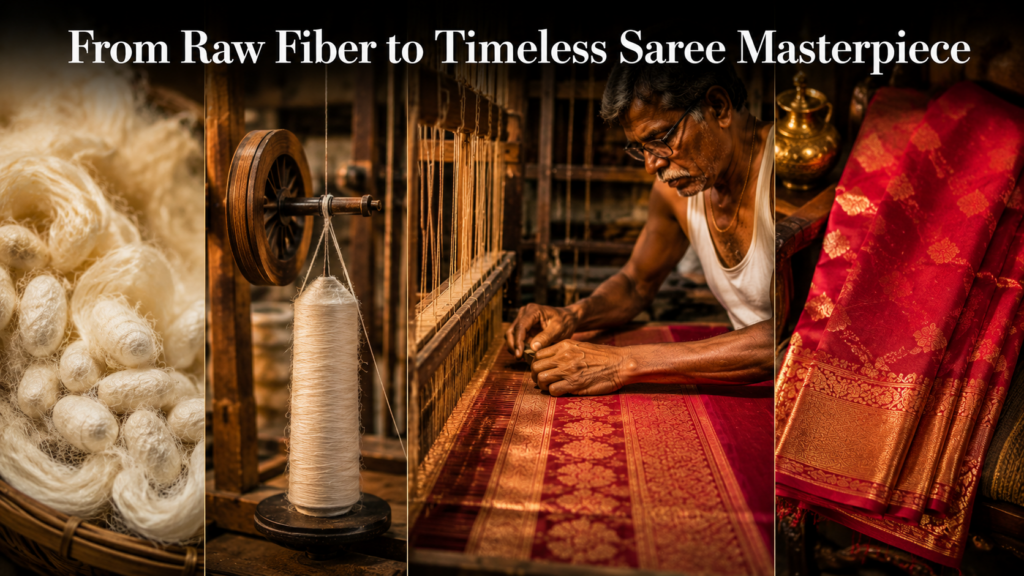
A saree is much more than a beautiful garment—it is a timeless expression of India’s rich textile heritage, artistic excellence, and centuries-old craftsmanship. Behind every premium saree lies the Art of Saree Weaving From Raw Fiber to Finished Masterpiece, a fascinating journey that transforms simple natural fibers into an elegant masterpiece admired across generations. From carefully selecting raw materials to weaving intricate motifs and adding luxurious finishing touches, every stage requires exceptional precision and dedication. Understanding the Art of Saree Weaving From Raw Fiber to Finished Masterpiece allows buyers to appreciate the remarkable craftsmanship hidden behind every fold. Whether it is a luxurious silk saree, an elegant cotton weave, or a designer ethnic collection, the weaving process reflects the perfect blend of traditional artistry and modern textile innovation. This comprehensive guide explores the Art of Saree Weaving From Raw Fiber to Finished Masterpiece in detail, explaining every stage involved in creating premium sarees and why exceptional craftsmanship continues to define India’s world-renowned textile industry. Understanding the Art of Saree Weaving Weaving is one of the oldest textile arts in the world and has been practiced in India for thousands of years. The Art of Saree Weaving From Raw Fiber to Finished Masterpiece begins with interlacing warp and weft yarns to create fabric that is durable, elegant, and comfortable. The beauty of every saree depends on: Quality of raw fibers Yarn preparation Weaving precision Artisan expertise Fabric finishing Quality inspection Each stage contributes to the final masterpiece. Why the Weaving Process Matters The Art of Saree Weaving From Raw Fiber to Finished Masterpiece directly influences: Fabric durability Comfort Texture Shine Drape Long-term quality Superior craftsmanship transforms ordinary fabric into a luxurious saree that lasts for generations. 10 Amazing Stages of the Art of Saree Weaving 1. Selecting Premium Raw Fibers The journey begins with choosing high-quality fibers. Depending on the saree, manufacturers select: Mulberry silk Cotton Linen Viscose Blended fibers Superior raw materials create stronger and more beautiful fabrics. 2. Preparing the Yarn The selected fibers are converted into yarn through spinning and preparation. This stage includes: Cleaning Twisting Winding Strength testing Moisture balancing Proper preparation ensures smooth weaving. 3. Dyeing the Yarn Colour brings life to every saree. Modern dyeing techniques produce: Rich shades Uniform colours Fade resistance Long-lasting brilliance Premium dyeing improves both beauty and durability. 4. Designing the Saree Before weaving begins, designers create detailed layouts for: Borders Pallu Body motifs Floral patterns Colour combinations Computer-aided design often supports traditional artistic planning. 5. Preparing the Loom The warp threads are carefully arranged on the loom. This requires: Thread alignment Tension adjustment Pattern setup Accurate spacing Correct loom preparation ensures flawless weaving. 6. Hand Weaving or Powerloom Weaving One of the most important stages in the Art of Saree Weaving From Raw Fiber to Finished Masterpiece is the weaving process itself. Depending on the design, weaving may involve: Traditional handloom Modern powerloom Jacquard weaving Specialized artisan techniques Every thread is carefully interlaced to create the fabric structure. 7. Zari Work and Decorative Enhancements Luxury sarees often receive additional embellishments. Popular decorative techniques include: Gold zari Silver zari Hand embroidery Woven motifs Stone embellishments These elements enhance elegance and uniqueness. 8. Fabric Finishing After weaving, the saree undergoes finishing treatments. This process improves: Softness Shine Fabric stability Smooth texture Overall appearance Professional finishing creates a premium look and feel. 9. Quality Inspection Every premium saree is carefully inspected. Experts evaluate: Fabric consistency Weaving accuracy Colour uniformity Border alignment Decorative detailing Overall quality Only sarees meeting strict standards move forward. 10. Folding, Packaging, and Presentation The final masterpiece is carefully folded, packaged, and prepared for customers. Proper packaging protects: Fabric quality Surface finish Decorative work Long-term storage Presentation completes the journey from raw fiber to finished saree. Traditional Craftsmanship Meets Modern Innovation Today’s textile manufacturers successfully combine centuries-old weaving traditions with advanced production technology, keeping the Art of Saree Weaving From Raw Fiber to Finished Masterpiece relevant for modern buyers. Modern innovations include: Computerized weaving Digital textile design Eco-friendly dyeing Automated quality inspection Precision yarn processing Technology improves consistency while preserving traditional craftsmanship. Why Premium Weaving Creates Better Sarees Premium weaving delivers several advantages: Superior Durability Strong weaving ensures long-lasting fabrics. Better Comfort Balanced weaving improves breathability and flexibility. Elegant Draping High-quality weaving creates graceful pleats and smooth movement. Luxurious Texture Fine weaving produces rich textures and refined finishes. Timeless Beauty Exceptional craftsmanship creates sarees that remain beautiful for generations. How Buyers Can Recognize Quality Craftsmanship Before purchasing a premium saree, inspect: Uniform weaving Fine fabric texture Precise borders Rich colour consistency Smooth finishing Trusted brand reputation Quality craftsmanship is visible in every detail. The Future of Saree Weaving The textile industry continues to evolve through: Sustainable manufacturing Smart textile technology AI-assisted quality control Eco-friendly fibers Digital customization Despite technological progress, skilled artisans remain the heart of premium saree production. Conclusion The Art of Saree Weaving From Raw Fiber to Finished Masterpiece is a remarkable journey of creativity, precision, and heritage. From selecting premium fibers and preparing yarn to weaving intricate designs, adding decorative details, and performing rigorous quality inspections, every stage reflects exceptional craftsmanship. Understanding the Art of Saree Weaving From Raw Fiber to Finished Masterpiece helps buyers appreciate the true value of premium sarees while recognizing the dedication of skilled artisans who preserve India’s extraordinary textile traditions. Choosing a well-crafted saree means investing in timeless elegance, lasting quality, and centuries of weaving excellence. Frequently Asked Questions What is the first stage of saree weaving? The process begins with selecting high-quality raw fibers such as silk, cotton, or linen, which form the foundation of the Art of Saree Weaving From Raw Fiber to Finished Masterpiece. How long does it take to weave a premium saree? Depending on the design and weaving technique, production may take several days to several months, especially when the Art of Saree Weaving From Raw Fiber to Finished Masterpiece involves intricate handwork. Why is weaving quality important? Superior weaving improves durability, comfort, draping, texture, and

Why Weaving Quality Matters in Premium Sarees
Blog

10 Powerful Reasons Why Weaving Quality Matters in Premium Sarees

When shopping for a premium saree, most buyers focus on the fabric, color, embroidery, or design. While these features certainly influence the overall appeal, one of the most important factors often remains hidden—the quality of the weave. A beautifully woven saree not only looks elegant but also offers superior comfort, durability, and graceful draping that lasts for years. Understanding Why Weaving Quality Matters in Premium Sarees helps buyers make informed purchasing decisions and recognize genuine craftsmanship. Whether it is a luxurious Banarasi silk, a timeless Kanchipuram saree, or an elegant handloom cotton drape, the weaving process determines how the fabric performs throughout its lifetime. This comprehensive guide explains Why Weaving Quality Matters in Premium Sarees, explores the characteristics of superior weaving, and highlights how exceptional craftsmanship transforms ordinary fabric into a masterpiece. What Is Weaving Quality? Weaving quality refers to the precision, consistency, and craftsmanship used to interlace warp and weft threads into fabric. High-quality weaving creates a saree that is strong, balanced, comfortable, and visually appealing. Excellent weaving ensures: Smooth fabric texture Strong thread structure Elegant drape Long-lasting durability Premium appearance The finer the weaving, the more luxurious the saree feels. Why Weaving Is the Foundation of Every Premium Saree Premium sarees are valued not only for their luxurious fabrics but also for the expertise behind their construction. A high-quality weave directly affects: Fabric strength Surface finish Flexibility Breathability Design precision Overall longevity Without proper weaving, even the finest silk or cotton cannot deliver premium performance. 10 Powerful Reasons Why Weaving Quality Matters in Premium Sarees 1. Superior Durability Strong weaving tightly secures every thread, making the saree more resistant to wear and tear. Benefits include: Longer lifespan Better strength Reduced thread damage Improved fabric stability A well-woven saree can remain beautiful for decades with proper care. 2. Better Draping One reason Why Weaving Quality Matters in Premium Sarees is the way the fabric falls naturally. High-quality weaving creates: Elegant pleats Smooth folds Graceful movement Comfortable styling Superior draping enhances the overall appearance of the saree. 3. Enhanced Comfort Premium weaving improves airflow and fabric flexibility. Well-woven sarees feel: Softer Lighter More breathable Comfortable for long hours Comfort is especially important during weddings, festivals, and celebrations. 4. Rich Fabric Texture Expert weaving creates distinctive textures that add luxury. Premium textures include: Smooth silk finish Crisp cotton feel Rich woven patterns Soft natural touch Texture greatly influences the overall look and feel of the saree. 5. Precise Design Execution Intricate motifs require exceptional weaving precision. High-quality weaving ensures: Sharp floral patterns Symmetrical borders Clean geometric designs Perfect zari placement This level of detail reflects true craftsmanship. 6. Improved Shine and Finish The weave affects how light reflects from the fabric. Quality weaving produces: Natural silk luster Elegant sheen Uniform surface Luxurious appearance This enhances the premium appeal of silk and designer sarees. 7. Stronger Zari Integration Luxury sarees often feature intricate zari work. Superior weaving keeps metallic threads firmly integrated, reducing the chances of loosening or damage over time. 8. Better Shape Retention Premium weaving helps sarees maintain their original structure after repeated use. Benefits include: Stable borders Long-lasting pleats Reduced stretching Better wrinkle resistance Proper weaving protects the saree’s beauty for years. 9. Higher Overall Value A premium weave increases the overall worth of the saree. Buyers receive: Better durability Timeless elegance Greater resale value Long-term investment Quality weaving often justifies the higher price of premium sarees. 10. Preserving Traditional Craftsmanship One of the biggest reasons Why Weaving Quality Matters in Premium Sarees is its role in preserving India’s centuries-old textile heritage. Traditional weaving techniques showcase: Skilled artisans Regional craftsmanship Heritage motifs Authentic handloom excellence Supporting quality weaving also supports India’s artisan communities. How to Identify Superior Weaving Quality Before purchasing a premium saree, examine these important characteristics. Uniform Weaving The fabric should appear even and balanced throughout. Clean Borders Borders should be straight, symmetrical, and securely woven. Fine Texture Premium fabrics feel smooth while maintaining strength. Precise Motifs Patterns should be clear without distortion or loose threads. Strong Fabric Construction The saree should hold its shape without appearing fragile. Common Signs of Poor Weaving Avoid sarees showing: Loose threads Uneven patterns Weak fabric structure Misaligned borders Rough texture Visible weaving defects These issues often reduce durability and overall quality. Why Quality Weaving Matters More Than Fashion Trends Fashion trends change every season, but excellent craftsmanship never goes out of style. Premium weaving ensures: Timeless elegance Better performance Greater comfort Long-lasting beauty Sustainable value Investing in weaving quality provides lasting satisfaction beyond temporary fashion. Conclusion Understanding Why Weaving Quality Matters in Premium Sarees allows buyers to appreciate the true craftsmanship behind every beautiful drape. Superior weaving enhances durability, comfort, texture, shine, and overall elegance while preserving India’s rich textile heritage. Whether choosing a luxurious silk saree, an elegant handloom creation, or a premium designer collection, always pay attention to weaving quality rather than appearance alone. A beautifully woven saree is not just a garment—it is a timeless investment in artistry, tradition, and exceptional craftsmanship. Frequently Asked Questions Why is weaving quality important in premium sarees? It determines the saree’s durability, comfort, drape, texture, and overall appearance. Does weaving affect saree lifespan? Yes. Strong, precise weaving significantly improves durability and long-term performance. How can I identify high-quality weaving? Look for uniform texture, balanced patterns, straight borders, fine finishing, and tightly woven threads. Are handloom sarees better woven than powerloom sarees? Handloom sarees offer unique artisan craftsmanship, while premium powerloom sarees provide excellent consistency. Both can deliver high weaving quality when produced by experienced manufacturers. Does better weaving justify a higher price? Yes. Superior weaving requires greater expertise, time, and precision, resulting in better quality and lasting value.

Indian Weavers Preserve Centuries-Old Textile Traditions
Blog

10 Inspiring Ways Indian Weavers Preserve Centuries-Old Textile Traditions

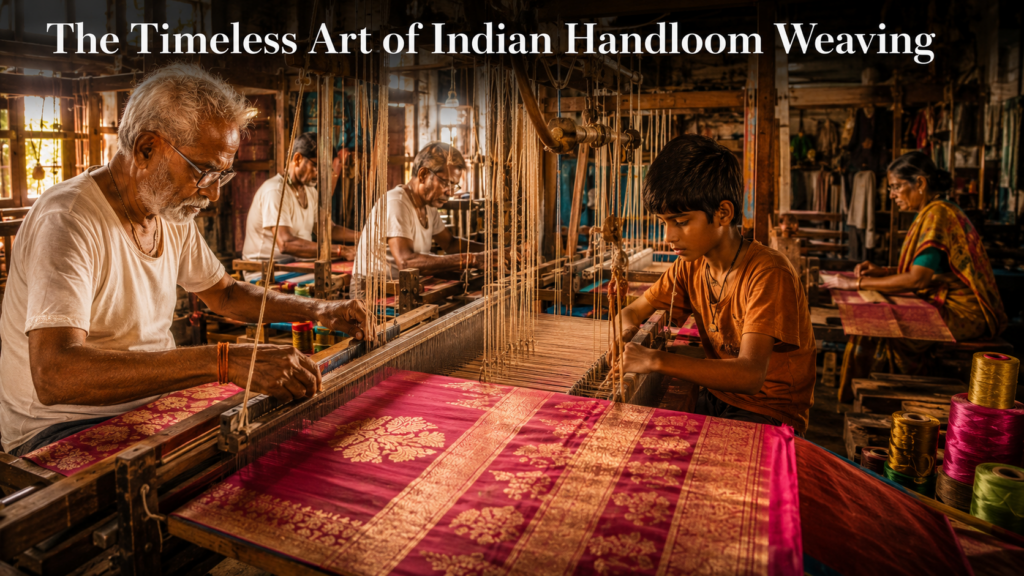
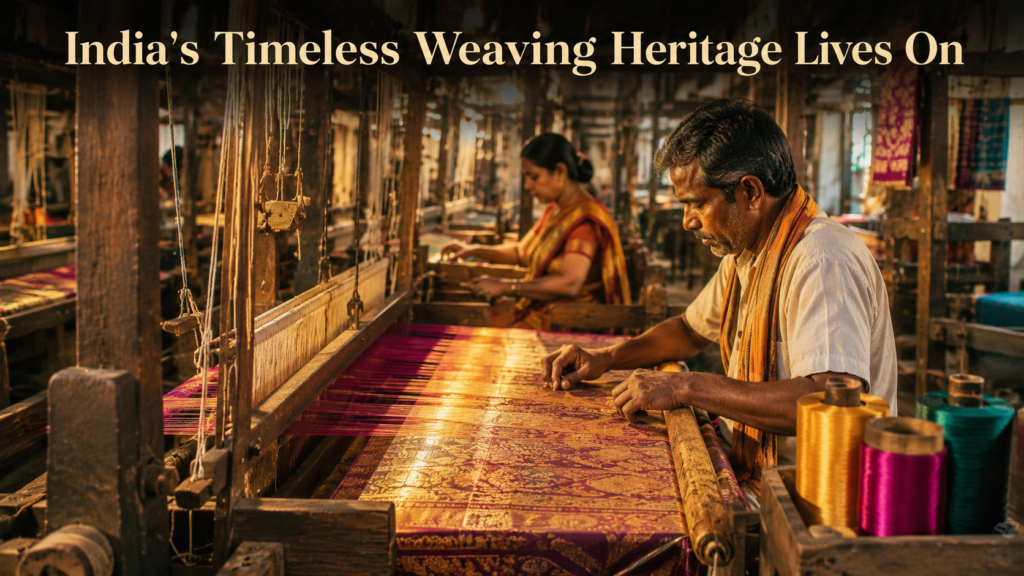
India’s textile heritage is one of the richest in the world, with weaving traditions that date back thousands of years. Across villages, towns, and renowned weaving centers, skilled artisans continue to create extraordinary fabrics using techniques passed down through generations. These crafts are more than methods of production—they are living traditions that preserve India’s culture, history, and artistic identity. Today, even with rapid technological advancements, Indian Weavers Preserve Centuries-Old Textile Traditions by combining inherited skills with thoughtful innovation. Their dedication ensures that authentic handwoven sarees, intricate silk fabrics, and timeless weaving techniques continue to flourish while meeting the expectations of modern consumers. This guide explores How Indian Weavers Preserve Centuries-Old Textile Traditions, the challenges they face, the importance of supporting handcrafted textiles, and why these weaving traditions remain essential to India’s cultural and economic future. India’s Remarkable Weaving Heritage India has been weaving textiles for more than 5,000 years. From the Indus Valley Civilization to today’s premium textile industry, weaving has remained an essential part of Indian culture. Every region developed distinctive weaving styles influenced by: Local traditions Natural resources Climate Religious beliefs Royal patronage These regional identities continue to define India’s world-famous sarees. Why Traditional Weaving Still Matters Traditional weaving contributes far beyond fashion. It helps preserve: Cultural identity Artisan livelihoods Heritage craftsmanship Sustainable manufacturing Regional art forms Every handcrafted saree reflects patience, precision, and generations of knowledge. 10 Inspiring Ways Indian Weavers Preserve Centuries-Old Textile Traditions 1. Passing Skills Through Generations Most weaving families teach their craft from one generation to the next. Children learn: Loom preparation Yarn handling Traditional motifs Weaving techniques Fabric finishing This continuous transfer of knowledge keeps ancient traditions alive. 2. Preserving Regional Weaving Styles Every weaving region protects its own unique identity. Famous examples include: Banarasi Silk Kanchipuram Silk Chanderi Jamdani Patola Paithani Muga Silk Each style represents centuries of cultural heritage. 3. Continuing Handloom Weaving Despite automation, many artisans continue weaving entirely by hand. Handloom weaving offers: Exceptional craftsmanship Artistic individuality Rich texture Heritage value Each saree becomes a unique work of art. 4. Using Traditional Motifs Indian weavers preserve symbolic patterns that have cultural meaning. Popular motifs include: Lotus flowers Mango (Paisley) Peacocks Temple borders Floral vines Geometric designs These timeless patterns connect today’s textiles with India’s history. 5. Protecting Natural Weaving Techniques Many artisan communities continue traditional methods of: Yarn preparation Hand dyeing Loom setting Border weaving Zari integration These practices maintain the authenticity of premium handwoven textiles. 6. Adapting to Contemporary Fashion One reason Indian Weavers Preserve Centuries-Old Textile Traditions so successfully is their ability to innovate without losing authenticity. Today’s artisans create: Modern color palettes Lightweight fabrics Contemporary motifs Versatile sarees Traditional craftsmanship evolves to meet changing customer preferences. 7. Supporting Sustainable Fashion Handloom weaving is naturally eco-friendly. Benefits include: Low energy consumption Minimal machinery Reduced carbon footprint Less industrial waste Traditional weaving aligns with today’s demand for sustainable fashion. 8. Collaborating With Designers Many weavers now work closely with textile designers and fashion brands. These collaborations introduce: Innovative collections Global exposure Better market access Contemporary styling Such partnerships help preserve heritage while expanding opportunities. 9. Maintaining Strict Quality Standards Experienced artisans carefully inspect every stage of production. They ensure: Uniform weaving Strong fabric structure Precise motifs Smooth finishing Premium durability Attention to detail defines handcrafted excellence. 10. Celebrating India’s Cultural Heritage Every handwoven saree represents a living tradition. Indian weavers preserve: Regional identity Community traditions Artistic excellence Historical craftsmanship National pride Their work keeps India’s textile legacy alive for future generations. The Role of Modern Technology Technology has improved textile manufacturing without replacing traditional artisans. Modern innovations support weavers through: Computer-aided design Better quality control Improved yarn processing Wider digital marketplaces Enhanced customer reach This balance helps preserve craftsmanship while improving livelihoods. Challenges Faced by Indian Weavers Although weaving traditions remain strong, artisans face several challenges: Competition from mass-produced fabrics Rising raw material costs Changing consumer preferences Limited market access Declining interest among younger generations Supporting authentic handcrafted textiles helps address these challenges. Why Supporting Indian Weavers Matters Choosing authentic handwoven sarees contributes to: Preserving Heritage Traditional techniques remain alive through continued demand. Supporting Artisan Families Millions depend on weaving for their livelihood. Encouraging Sustainable Fashion Handloom production is environmentally responsible. Promoting Quality Handcrafted sarees offer exceptional durability and artistry. Protecting Cultural Identity Every purchase helps preserve India’s rich textile traditions. The Future of Traditional Indian Weaving The future of Indian weaving lies in combining heritage with innovation. Growing demand for: Sustainable fashion Handmade products Ethical sourcing Luxury craftsmanship creates exciting opportunities for artisan communities and premium textile brands. Conclusion Understanding How Indian Weavers Preserve Centuries-Old Textile Traditions reveals the dedication, artistry, and resilience behind India’s remarkable textile heritage. Through handloom weaving, traditional motifs, regional craftsmanship, sustainable practices, and continuous innovation, skilled artisans continue to create premium sarees that celebrate centuries of culture and excellence. Supporting authentic handwoven textiles is more than purchasing a beautiful garment—it is an investment in preserving history, empowering artisan communities, and ensuring that India’s extraordinary weaving traditions continue to inspire future generations. Frequently Asked Questions How do Indian weavers preserve traditional textile techniques? They pass weaving skills through generations, continue handloom production, preserve regional styles, and maintain traditional motifs while adapting to modern fashion. Why are handwoven sarees important? Handwoven sarees represent exceptional craftsmanship, cultural heritage, sustainability, and artistic uniqueness. Are traditional weaving techniques still relevant today? Yes. They remain highly valued in premium fashion for their authenticity, quality, and cultural significance. How does buying handloom products support artisans? Purchasing authentic handloom textiles provides income for artisan families and helps preserve centuries-old weaving traditions. Can traditional weaving coexist with modern technology? Absolutely. Modern technology enhances design, quality control, and market access while allowing artisans to preserve traditional craftsmanship.

Difference Between Handloom and Powerloom Sarees – Complete Guide
Blog

Difference Between Handloom and Powerloom Sarees: 10 Important Facts

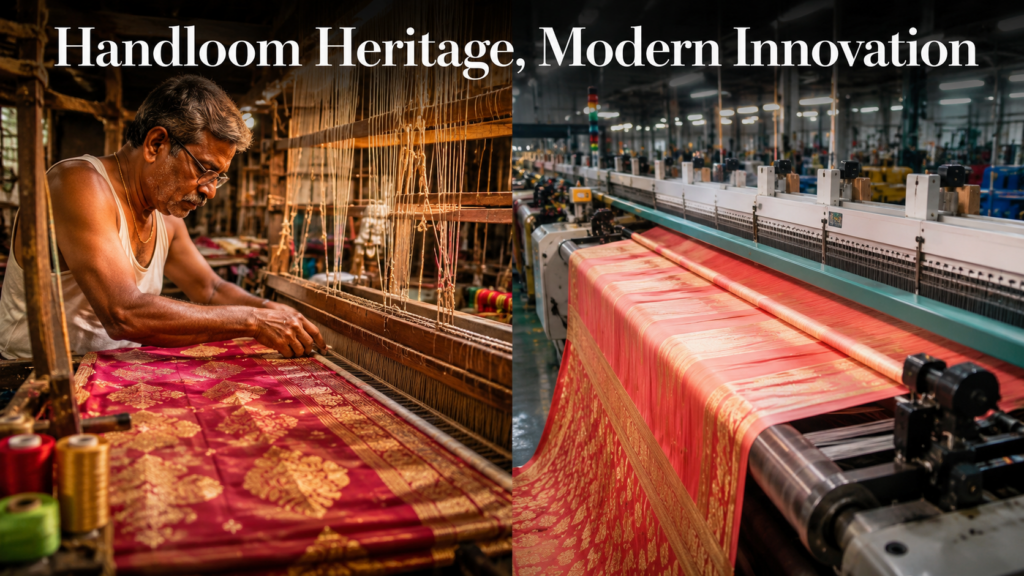
Difference Between Handloom and Powerloom Sarees is one of the most important factors every saree buyer should understand before making a purchase. The weaving technique used to create a saree influences its texture, craftsmanship, durability, appearance, and overall value. Whether you’re shopping for an elegant wedding saree, festive attire, or a comfortable everyday drape, understanding these differences helps you make a more informed decision. Understanding the difference between handloom and powerloom sarees helps buyers choose fabrics that match their budget, lifestyle, and occasion. Whether you are purchasing a saree for everyday wear or a special celebration, knowing the difference between handloom and powerloom sarees allows you to make a more informed decision and appreciate the craftsmanship behind each piece. we believe every saree tells a story. Handloom sarees celebrate centuries-old craftsmanship passed down through generations, while powerloom sarees represent modern manufacturing that delivers stylish, affordable options for a wide range of occasions. Both have their own strengths, making them suitable for different preferences and budgets. In this comprehensive guide, you’ll learn everything about the difference between handloom and powerloom sarees, including their weaving process, durability, texture, pricing, sustainability, and how to choose the right saree for your needs. What Are Handloom Sarees? Handloom sarees are woven manually by skilled artisans using traditional wooden looms without the assistance of automated machinery. Every thread is carefully interlaced by hand, making each saree unique. Since the weaving process relies on human expertise, no two handloom sarees are exactly alike. India has a rich history of handloom weaving that spans centuries. Different regions are known for distinctive weaving styles, motifs, and techniques that reflect local traditions and cultural heritage. Some of the most popular handloom sarees include: Banarasi Silk Kanchipuram Silk Chanderi Jamdani Patola Paithani Maheshwari Tussar Silk Handloom sarees are highly valued for their artistry, durability, and timeless appeal. What Are Powerloom Sarees? Powerloom sarees are produced using electrically operated weaving machines that automate the weaving process. These machines enable manufacturers to produce sarees quickly while maintaining consistency in design, pattern, and quality. Powerloom technology has transformed India’s textile industry by making sarees more affordable and widely available. Modern powerlooms can efficiently produce sarees in a variety of fabrics, colors, and designs suitable for everyday wear as well as festive occasions. Common powerloom fabrics include: Cotton Silk Blends Chiffon Georgette Organza Synthetic Fabrics Linen Blends Powerloom sarees are ideal for buyers looking for fashionable designs at accessible price points. Difference Between Handloom and Powerloom Sarees Understanding the difference between handloom and powerloom sarees helps you choose the perfect saree based on your style, occasion, and budget. 1. Weaving Method Handloom sarees are woven entirely by hand using traditional looms, requiring patience and exceptional craftsmanship. Powerloom sarees are woven using mechanized machines that significantly increase production speed. 2. Craftsmanship Every handloom saree showcases the artisan’s skill and attention to detail. Slight variations in weaving add character and authenticity. Powerloom sarees focus on precision and consistency, ensuring identical designs across multiple pieces. 3. Production Time A handloom saree may take several days, weeks, or even months to complete depending on the complexity of the design. Powerloom sarees can be produced much faster, allowing manufacturers to meet large-scale demand efficiently. 4. Texture Handloom fabrics generally feel softer, more breathable, and develop a graceful drape over time. Powerloom fabrics often have a smoother, more uniform finish due to machine-controlled weaving. 5. Design Uniqueness Each handloom saree is unique because it is individually woven. Powerloom sarees are mass-produced, resulting in highly consistent designs and patterns. 6. Durability Premium handloom sarees are renowned for their longevity and can last for decades with proper care. Powerloom sarees are durable for regular use but generally have a shorter lifespan than finely crafted handloom pieces. 7. Price Handloom sarees are typically more expensive because they require skilled labor, quality materials, and significant weaving time. Powerloom sarees are more affordable due to automated manufacturing and higher production volumes. 8. Sustainability Handloom weaving consumes minimal electricity and supports environmentally friendly production methods. Powerloom weaving relies on machinery and electricity but enables efficient large-scale manufacturing. 9. Cultural Value Handloom weaving preserves India’s rich textile traditions and supports artisan communities that have practiced these crafts for generations. Powerloom weaving helps make beautiful sarees accessible to a broader audience while supporting the modern textile industry. 10. Best Use Handloom sarees are perfect for weddings, festivals, family celebrations, and heirloom collections. Powerloom sarees are excellent for office wear, casual outings, daily use, and budget-conscious shoppers. Before making a purchase, comparing the difference between handloom and powerloom sarees across weaving methods, durability, texture, and pricing can help you select the right option for your needs. While both have their own advantages, the difference between handloom and powerloom sarees becomes clear when you consider quality, uniqueness, and intended use. Handloom vs Powerloom Sarees: Comparison Table Feature Handloom Sarees Powerloom Sarees Weaving Method Handmade Machine Woven Production Speed Slow Fast Craftsmanship Highly Artistic Uniform & Consistent Texture Soft & Natural Smooth & Even Durability Excellent Good Price Premium Affordable Sustainability Eco-Friendly Moderate Uniqueness Every Piece is Unique Mass Produced Cultural Value High Moderate Ideal For Weddings & Special Occasions Daily & Casual Wear Which Saree Should You Choose? The right choice depends on your preferences and intended use. Choose Handloom Sarees If You: Appreciate traditional craftsmanship. Prefer unique, handcrafted textiles. Want a premium investment piece. Need a saree for weddings or festive occasions. Wish to support Indian artisans and heritage weaving. Choose Powerloom Sarees If You: Want affordable yet stylish options. Prefer lightweight sarees for everyday use. Need multiple sarees for regular wear. Value consistency in design and finish. Like modern fashion trends. How to Identify Authentic Handloom Sarees Since handloom sarees command higher prices, it’s important to identify genuine products. Look for Natural Variations Slight irregularities in weaving often indicate handmade craftsmanship. Feel the Texture Authentic handloom fabrics generally feel softer and more breathable. Examine the Borders Handloom sarees typically feature intricate woven borders rather than printed designs. Check

History of Saree Weaving in India and Its Cultural Significance
Blog

History of Saree Weaving in India: 10 Fascinating Facts

The saree is one of the world’s oldest and most graceful garments, representing India’s rich cultural identity for thousands of years. More than just a piece of clothing, the saree reflects the country’s history, artistic traditions, regional craftsmanship, and evolving fashion. From ancient civilizations to modern runways, saree weaving has continuously adapted while preserving its timeless elegance and cultural value. Understanding the History of Saree Weaving in India and Its Cultural Significance offers a deeper appreciation of the remarkable craftsmanship behind every saree. Each region of India has developed its own weaving traditions, motifs, colors, and techniques that tell unique stories of heritage, royalty, religion, and community. This comprehensive guide explores the History of Saree Weaving in India and Its Cultural Significance, highlighting how centuries-old weaving traditions continue to inspire premium sarees and contemporary ethnic fashion today. The History of Saree Weaving in India and Its Cultural Significance is not only about fabric and design, but also about identity, memory, and the preservation of artisan skill. The Origin of Saree Weaving in India The history of saree weaving dates back more than 5,000 years. Historical evidence suggests that woven garments were already being produced during the Indus Valley Civilization, making textile production one of India’s oldest crafts. This early foundation is an important part of the History of Saree Weaving in India and Its Cultural Significance because it shows how deeply textiles are woven into Indian civilization. Early Indian weavers used: Cotton Silk Natural dyes Handlooms Plant-based fibers These early innovations laid the foundation for India’s world-famous textile industry. Evolution of Saree Weaving Through History As Indian civilization evolved, saree weaving became increasingly sophisticated. Different periods introduced new influences: Ancient Vedic traditions Buddhist art Mughal floral designs Royal patronage Regional craftsmanship Each era contributed new weaving techniques, decorative motifs, and luxurious fabrics that continue to influence saree design today. The History of Saree Weaving in India and Its Cultural Significance can be seen in how these influences shaped the saree into both a cultural symbol and a fashion statement. 10 Fascinating Facts About the History of Saree Weaving in India 1. Sarees Have Been Worn for Thousands of Years The saree is among the oldest surviving garments still worn today. Its timeless design has remained relevant through centuries while adapting to changing fashion trends. This enduring presence is one reason the History of Saree Weaving in India and Its Cultural Significance continues to matter so strongly in modern times. 2. Every Region Developed Its Own Weaving Style India’s diverse geography led to the development of distinctive weaving traditions. Some of the most celebrated include: Banarasi Kanchipuram Paithani Chanderi Patola Jamdani Muga Silk Each represents unique cultural and artistic traditions. 3. Royal Families Encouraged Textile Excellence Many weaving communities flourished under royal patronage. Kings and queens commissioned luxurious textiles featuring: Gold zari Silver threadwork Intricate floral motifs Religious symbols Palace-inspired designs These masterpieces became symbols of prestige and wealth. 4. Sarees Reflect India’s Cultural Diversity Every saree tells a regional story through: Colors Borders Motifs Weaving styles Traditional symbolism The variety of Indian sarees reflects the country’s extraordinary cultural richness. In many ways, the History of Saree Weaving in India and Its Cultural Significance is also the history of India’s diversity itself. 5. Handloom Weaving Preserves Ancient Skills One reason the History of Saree Weaving in India and Its Cultural Significance remains relevant today is the continued practice of handloom weaving. Traditional artisans preserve techniques passed down through generations, ensuring that heritage craftsmanship survives in the modern textile industry. Handloom weaving keeps the cultural meaning of the saree alive while supporting skilled communities across India. 6. Sarees Play an Important Role in Festivals and Weddings Across India, sarees remain essential for: Weddings Religious ceremonies Festivals Family celebrations Cultural events Many heirloom sarees are passed from one generation to the next. 7. Natural Dyes Were Traditionally Used Early weavers produced vibrant colors using natural ingredients such as: Turmeric Indigo Madder root Pomegranate peel Flowers Leaves These eco-friendly practices continue to inspire sustainable textile manufacturing. 8. Saree Motifs Carry Symbolic Meanings Traditional woven motifs often represent: Prosperity Nature Spirituality Fertility Good fortune Designs such as lotus flowers, peacocks, mango motifs, and temple borders continue to appear in premium sarees. 9. Saree Weaving Supports Millions of Artisans India’s textile industry continues to provide livelihoods for skilled weavers, embroiderers, dyers, designers, and craftspeople. Supporting authentic handwoven sarees helps preserve both craftsmanship and local communities. This is another reason the History of Saree Weaving in India and Its Cultural Significance remains important beyond fashion alone. 10. Traditional Weaving Continues to Inspire Modern Fashion Today’s designers blend heritage weaving with contemporary styling. Modern collections combine: Traditional motifs Lightweight fabrics Innovative color palettes Modern silhouettes Sustainable production This balance keeps saree weaving relevant for future generations. The Cultural Significance of Sarees The saree is more than fashion—it represents identity, tradition, and celebration. Its cultural significance includes: Heritage Each saree preserves regional history and artistic traditions. Family Traditions Many silk sarees become treasured heirlooms passed across generations. Religious Importance Sarees are commonly worn during temple visits and spiritual ceremonies. Symbol of Grace The saree remains one of the most elegant garments in Indian fashion. National Identity Across different states, sarees continue to symbolize India’s cultural diversity and craftsmanship. The History of Saree Weaving in India and Its Cultural Significance is therefore closely tied to the way sarees express belonging, pride, and continuity across generations. Famous Regional Weaving Traditions India’s renowned weaving centers include: Banaras (Banarasi Silk) Kanchipuram Chanderi Paithan Assam (Muga Silk) Gujarat (Patola) Bengal (Jamdani) Each region contributes unique weaving methods that enrich India’s textile heritage. Saree Weaving in Modern India Although advanced textile technology has transformed production, traditional weaving remains at the heart of premium saree manufacturing. Today’s textile industry successfully combines: Heritage craftsmanship Modern quality control Sustainable practices Innovative textile technology This partnership protects India’s weaving legacy while meeting contemporary fashion demands. Even now, the History of Saree Weaving in India and Its Cultural Significance

Traditional Indian Weaving Techniques and Their Importance Today
Blog

10 Amazing Traditional Indian Weaving Techniques and Their Importance Today

India’s textile heritage is one of the oldest and most admired in the world. For thousands of years, skilled artisans have transformed simple threads into magnificent fabrics using traditional weaving techniques passed down through generations. Traditional Indian Weaving Techniques and Their Importance Today have shaped India’s cultural identity, supported local artisan communities, and created some of the world’s finest sarees and textiles. Today, although modern textile technology has revolutionized manufacturing, Traditional Indian Weaving Techniques and Their Importance Today remain as relevant as ever. Handwoven fabrics continue to symbolize authenticity, craftsmanship, sustainability, and timeless elegance. Whether it’s a luxurious Banarasi silk saree, an elegant Kanchipuram masterpiece, or a lightweight Chanderi weave, traditional techniques continue to influence premium ethnic fashion across India and beyond. This comprehensive guide explores Traditional Indian Weaving Techniques and Their Importance Today, highlighting the artistry behind India’s famous weaving traditions and explaining why preserving these centuries-old techniques is essential for the future of the textile industry. India’s Rich Weaving Heritage India has been producing handwoven textiles for more than two thousand years. Every region developed its own distinctive weaving traditions based on: Local culture Natural fibers Climate Artistic influences Royal patronage These regional specialties have become symbols of India’s extraordinary textile diversity and continue to support Traditional Indian Weaving Techniques and Their Importance Today in modern fashion. Why Traditional Weaving Matters Traditional weaving is much more than fabric production. It preserves: Cultural heritage Artisan livelihoods Ancient craftsmanship Sustainable production Unique textile designs Every handwoven saree tells a story of patience, skill, and artistic excellence, which is why Traditional Indian Weaving Techniques and Their Importance Today continue to matter so deeply. 10 Amazing Traditional Indian Weaving Techniques 1. Banarasi Weaving Originating in Varanasi, Banarasi weaving is renowned for its luxurious silk fabrics and intricate zari work. Key features include: Rich floral motifs Gold and silver zari Mughal-inspired designs Heavy bridal sarees Exceptional craftsmanship Banarasi sarees remain one of India’s most prestigious weaving traditions and a shining example of Traditional Indian Weaving Techniques and Their Importance Today. 2. Kanchipuram Weaving Kanchipuram silk weaving from Tamil Nadu is famous for its durability and vibrant colors. Characteristics include: Pure mulberry silk Contrasting borders Temple-inspired motifs Strong weaving structure These sarees are highly valued for weddings and festive occasions, making them central to Traditional Indian Weaving Techniques and Their Importance Today. 3. Chanderi Weaving Chanderi weaving combines elegance with lightweight comfort. Benefits include: Fine transparency Soft texture Lightweight drape Delicate woven motifs Chanderi sarees are perfect for both festive and formal wear and remain a graceful part of Traditional Indian Weaving Techniques and Their Importance Today. 4. Patola Weaving Patola weaving from Gujarat uses the highly skilled double ikat technique. Unique qualities include: Symmetrical patterns Vibrant colors Exceptional precision Time-intensive craftsmanship Creating a single Patola saree can take several months, which reflects the patience and artistry behind Traditional Indian Weaving Techniques and Their Importance Today. 5. Paithani Weaving Originating in Maharashtra, Paithani weaving is admired for its luxurious silk and artistic pallu designs. Popular motifs include: Peacocks Flowers Lotus patterns Traditional borders Each saree reflects remarkable artisan expertise and adds to the legacy of Traditional Indian Weaving Techniques and Their Importance Today. 6. Jamdani Weaving Jamdani weaving is one of India’s finest handloom traditions. Features include: Intricate woven motifs Lightweight fabric Soft cotton texture Elegant floral designs The weaving process requires exceptional patience and precision, which is why Jamdani remains vital to Traditional Indian Weaving Techniques and Their Importance Today. 7. Tussar Silk Weaving Tussar silk is known for its natural golden sheen and textured appearance. Advantages include: Eco-friendly production Rich texture Comfortable wear Distinctive finish It remains popular for contemporary ethnic fashion and continues to support Traditional Indian Weaving Techniques and Their Importance Today. 8. Muga Silk Weaving Muga silk from Assam is one of the rarest natural silks in the world. Characteristics: Natural golden color Outstanding durability Luxurious appearance Cultural significance Its beauty improves with age, making it one of the most treasured examples of Traditional Indian Weaving Techniques and Their Importance Today. 9. Ikat Weaving Ikat involves dyeing yarn before weaving to create complex patterns. Benefits include: Artistic geometric designs Vibrant colors Unique visual effects Heritage craftsmanship This technique is widely practiced across several Indian states and remains an important part of Traditional Indian Weaving Techniques and Their Importance Today. 10. Handloom Cotton Weaving Traditional cotton weaving continues to play a vital role in India’s textile industry. Benefits include: Excellent breathability Everyday comfort Sustainable production Timeless elegance Handloom cotton sarees remain a favorite for daily wear and a practical expression of Traditional Indian Weaving Techniques and Their Importance Today. Why Traditional Indian Weaving Techniques Are Important Today The importance of Traditional Indian Weaving Techniques and Their Importance Today extends beyond fashion. They help preserve: Cultural Heritage Traditional weaving reflects centuries of Indian history and artistic excellence. Artisan Communities Millions of weavers depend on traditional textile production for their livelihoods. Sustainable Fashion Handloom weaving consumes less energy and supports environmentally responsible manufacturing. Unique Craftsmanship Every handcrafted saree is slightly different, making each piece truly one of a kind. Global Recognition Indian handwoven textiles continue to receive worldwide appreciation for their quality and artistry. Traditional Weaving Supports Sustainable Fashion Modern consumers increasingly value ethical fashion choices. Traditional weaving contributes by: Using natural fibers Reducing industrial pollution Supporting local artisans Minimizing carbon emissions Preserving handmade craftsmanship Choosing handwoven sarees supports both sustainability and cultural preservation, reinforcing Traditional Indian Weaving Techniques and Their Importance Today in a meaningful way. How to Identify Authentic Handwoven Sarees When purchasing premium handloom sarees, look for: Slight natural weaving variations Fine handcrafted detailing Soft yet durable texture Authentic weaving patterns Trusted manufacturers Handloom certifications where available Authentic handcrafted sarees reflect the expertise of skilled artisans and the enduring value of Traditional Indian Weaving Techniques and Their Importance Today. Traditional Craftsmanship in the Modern Textile Industry Although advanced textile technology has improved manufacturing efficiency, traditional weaving continues to play an essential role in luxury saree production. Many premium

What Makes Premium Textile Craftsmanship Different
Blog

10 Exceptional Reasons What Makes Premium Textile Craftsmanship Different

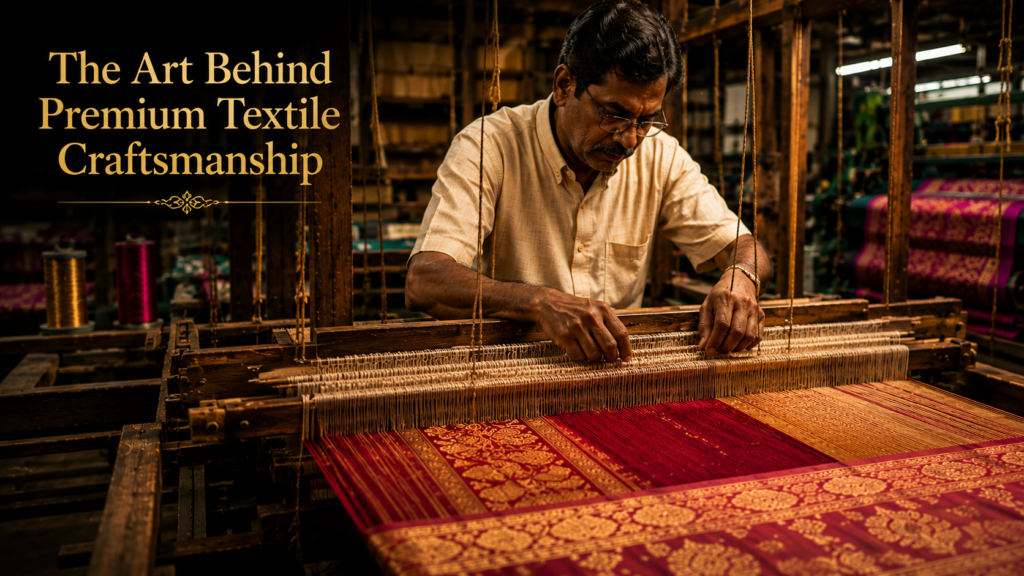
The beauty of a premium saree or ethnic garment goes far beyond its color, embroidery, or design. Behind every luxurious fabric lies a remarkable process of skilled craftsmanship, attention to detail, and years of expertise. From selecting the finest fibers to the final finishing touches, premium textile craftsmanship transforms raw materials into timeless creations that combine elegance, durability, and cultural heritage. Understanding What Makes Premium Textile Craftsmanship Different helps buyers appreciate the value of investing in high-quality ethnic wear. Unlike mass-produced garments, premium textiles are created through meticulous planning, superior materials, advanced weaving techniques, and the dedication of experienced artisans who preserve traditional craftsmanship while embracing modern innovation. This comprehensive guide explores What Makes Premium Textile Craftsmanship Different, highlighting the essential elements that distinguish premium textiles from ordinary fabrics and explaining why exceptional craftsmanship continues to define luxury ethnic fashion. What Is Premium Textile Craftsmanship? Premium textile craftsmanship refers to the expertise, precision, and artistry involved in creating high-quality fabrics and garments. It combines superior raw materials, advanced production methods, traditional weaving techniques, and careful quality control to produce textiles that offer outstanding comfort, durability, and visual appeal. Whether creating silk sarees, designer ethnic wear, or luxury fabrics, craftsmanship is the foundation of every premium product. Why Craftsmanship Matters Exceptional craftsmanship directly influences: Fabric quality Comfort Durability Appearance Weaving precision Long-term value Premium craftsmanship ensures that every garment maintains its beauty and performance for years. 10 Exceptional Reasons What Makes Premium Textile Craftsmanship Different 1. Superior Raw Materials Every premium textile begins with carefully selected fibers. Manufacturers use high-quality: Pure silk Premium cotton Linen Organza Fine blended fabrics The quality of raw materials determines the strength, softness, and longevity of the finished fabric. 2. Skilled Artisan Expertise One of the defining characteristics of premium textile craftsmanship is the experience of skilled artisans. Their expertise includes: Traditional weaving Intricate pattern creation Precision embroidery Zari craftsmanship Heritage techniques Generations of knowledge contribute to exceptional quality. 3. Precision Weaving Techniques Premium fabrics require accurate weaving methods. Advanced weaving ensures: Uniform texture Strong fabric construction Smooth draping Consistent quality Techniques such as Jacquard weaving and handloom weaving showcase remarkable craftsmanship. 4. Exceptional Attention to Detail Luxury textiles are distinguished by precision. Craftsmen carefully inspect: Thread alignment Pattern symmetry Border accuracy Fabric consistency Finishing quality Small details make a significant difference in the final product. 5. High-Quality Dyeing Processes Premium craftsmanship includes advanced dyeing techniques that produce: Rich colours Fade resistance Even colour distribution Long-lasting vibrancy Carefully controlled dyeing preserves both beauty and fabric strength. 6. Intricate Decorative Elements Luxury sarees often feature handcrafted embellishments. Examples include: Gold zari Silver zari Hand embroidery Woven motifs Artistic borders These details enhance elegance while showcasing artisan skill. 7. Rigorous Quality Control A key reason What Makes Premium Textile Craftsmanship Different is the strict quality inspection performed throughout manufacturing. Experts evaluate: Fabric strength Weaving accuracy Colour consistency Surface finish Overall construction Only garments meeting high standards reach customers. 8. Balanced Integration of Tradition and Technology Modern textile manufacturers successfully combine traditional craftsmanship with advanced production technologies. Benefits include: Greater precision Consistent quality Improved efficiency Preservation of heritage techniques Technology supports artisans without replacing their expertise. 9. Superior Comfort and Durability Premium craftsmanship creates fabrics that: Feel softer Last longer Drape beautifully Resist wear Maintain their appearance These qualities provide excellent long-term value. 10. Timeless Elegance Premium textiles are designed to remain fashionable for years. Their refined craftsmanship ensures: Classic appeal Versatile styling Enduring beauty Lasting cultural significance Luxury craftsmanship never goes out of style. Traditional Skills Meet Modern Innovation Today’s premium textile industry blends centuries-old traditions with advanced manufacturing methods. Modern innovations include: Computerized weaving Digital design systems Eco-friendly dyeing Automated quality inspection These technologies improve consistency while preserving the artistic value of handcrafted textiles. How to Identify Premium Textile Craftsmanship Before purchasing premium ethnic wear, examine: Fabric Quality Look for smooth texture, even weaving, and premium finish. Weaving Precision Inspect patterns, borders, and motifs for consistency. Stitching and Finishing High-quality garments feature clean seams and refined finishing. Colour Consistency Premium textiles display vibrant, evenly distributed colours. Brand Reputation Choose trusted manufacturers known for quality craftsmanship. Why Premium Craftsmanship Is Worth the Investment Premium textiles offer advantages that extend far beyond appearance. Benefits include: Long-lasting durability Better comfort Superior elegance Timeless style Greater value for money Investing in craftsmanship means purchasing garments that can be enjoyed for many years. The Future of Premium Textile Craftsmanship As technology continues to evolve, craftsmanship remains at the heart of luxury textile production. Future developments include: Sustainable manufacturing Smart textile innovations AI-assisted quality control Environmentally responsible production These advancements will continue enhancing quality while protecting India’s rich textile heritage. Conclusion Understanding What Makes Premium Textile Craftsmanship Different reveals why exceptional textiles command lasting admiration and value. Superior raw materials, skilled artisans, precision weaving, intricate detailing, advanced quality control, and the thoughtful integration of traditional techniques with modern technology all contribute to creating garments that stand apart from ordinary fabrics. Whether investing in a luxurious silk saree or premium ethnic wear, choosing products crafted with excellence ensures superior comfort, durability, elegance, and timeless appeal. Premium craftsmanship is not simply about manufacturing—it is a celebration of artistry, heritage, and uncompromising quality. Frequently Asked Questions What is premium textile craftsmanship? Premium textile craftsmanship refers to the skilled process of creating high-quality fabrics using superior materials, expert weaving, detailed finishing, and strict quality standards. Why are premium textiles more expensive? They require better raw materials, experienced artisans, advanced production techniques, and extensive quality control. Does craftsmanship affect fabric durability? Yes. Superior craftsmanship improves strength, longevity, and overall garment performance. How can I identify premium craftsmanship? Examine fabric quality, weaving precision, stitching, finishing, colour consistency, and purchase from trusted brands. Is handcrafted textile production still important? Absolutely. Handcrafted techniques preserve cultural heritage and create unique garments with exceptional artistic value.

Fabric Weaves Impact on Saree Appearance
Blog

Fabric Weaves Impact on Saree Appearance: 10 Best Weaves Guide

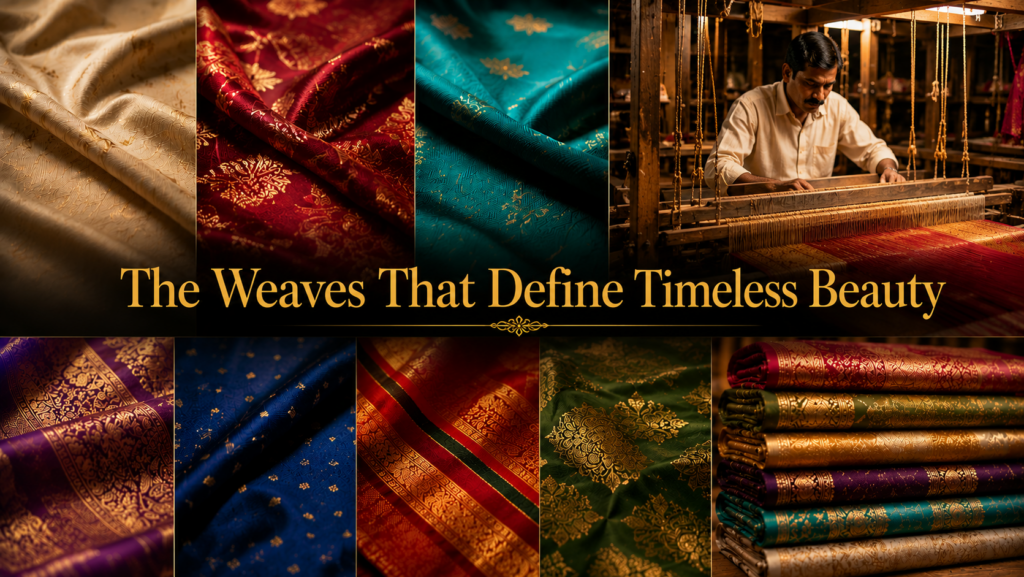
Fabric Weaves Impact on Saree Appearance more than most buyers realize. While colour, embroidery, and fabric often receive the most attention, the weaving technique determines how a saree drapes, shines, feels, and lasts over time. Understanding different fabric weaves helps you choose the perfect saree for every occasion. This Guide to Fabric Weaves and Their Impact on Saree Appearance explains the most common weaving techniques used in saree manufacturing and how each one contributes to the beauty and functionality of the final garment. Understanding fabric weaves helps buyers make informed decisions and appreciate the craftsmanship behind premium sarees. If you’re planning to invest in a high-quality saree, learning about fabric weaves will help you choose a style that perfectly suits your comfort, occasion, and personal preferences. What Is Fabric Weaving? Fabric weaving is the process of interlacing two sets of yarn—warp (lengthwise) and weft (crosswise)—to create fabric. Different weaving techniques produce unique textures, patterns, strengths, and finishes. The weave influences: Surface texture Shine Thickness Flexibility Breathability Durability Overall appearance Every premium saree owes much of its beauty to the weave used during manufacturing. Why Fabric Weaves Matter The weaving style determines how a saree behaves when worn. This is why fabric weaves impact on saree appearance so strongly in both everyday wear and special occasion styling. Benefits of selecting the right weave include: Better drape Improved comfort Enhanced durability Luxurious finish Elegant texture Greater design possibilities Understanding fabric weaves helps buyers choose sarees that match both occasion and lifestyle. 10 Essential Fabric Weaves That Transform Saree Appearance 1. Plain Weave Plain weave is the simplest and most widely used weaving technique. Characteristics: Balanced texture Lightweight feel Excellent durability Comfortable everyday wear Commonly used in cotton and linen sarees. 2. Satin Weave Satin weave creates the luxurious shine associated with premium silk sarees. Benefits: Smooth surface Elegant luster Soft drape Rich appearance Ideal for bridal and festive collections. 3. Twill Weave Twill weave is identified by its diagonal pattern. Advantages: Strong fabric structure Better wrinkle resistance Enhanced durability Sophisticated texture Suitable for premium designer sarees. 4. Jacquard Weave Jacquard weaving allows intricate motifs to be woven directly into the fabric. Popular for: Banarasi sarees Floral patterns Traditional motifs Luxury collections This weave produces highly detailed designs without printing. 5. Dobby Weave Dobby weaving creates small geometric patterns and textured effects. Benefits include: Elegant surface texture Decorative appearance Lightweight structure Stylish finish Often found in premium cotton and blended fabrics. 6. Handloom Weave Handloom weaving represents traditional Indian craftsmanship. Features: Artisan-made Unique variations Superior craftsmanship Heritage value Every handloom saree carries its own distinctive character. 7. Power Loom Weave Modern power looms improve production efficiency while maintaining consistent quality. Advantages: Uniform weaving Faster production Affordable pricing Consistent fabric quality Widely used for commercial saree production. 8. Basket Weave Basket weave resembles the appearance of woven baskets. Characteristics: Soft texture Flexible fabric Comfortable drape Attractive visual depth Suitable for lightweight ethnic wear. 9. Rib Weave Rib weave creates raised lines across the fabric. Benefits: Distinctive texture Improved strength Better fabric stability Modern appearance Used in selected designer sarees. 10. Brocade Weave Brocade weaving combines decorative patterns with metallic zari threads. Features: Rich woven motifs Luxurious finish Royal appearance Exceptional craftsmanship Commonly seen in wedding and ceremonial sarees. How Fabric Weaves Affect Saree Appearance The weave directly impacts several visual and functional aspects. In fact, fabric weaves impact on saree appearance through texture, shine, drape, and structure more than many buyers realize. Texture Different weaves create smooth, crisp, or textured finishes. Shine Satin and silk weaves enhance natural luster, while plain weaves provide a matte finish. Draping Soft weaves create graceful pleats, whereas structured weaves provide volume and definition. Durability Dense weaving improves strength and extends garment life. Design Possibilities Advanced weaving techniques such as Jacquard enable complex motifs and artistic detailing. Knowing how Fabric Weaves Impact on Saree Appearance allows shoppers to compare different weaving styles. Choosing the Right Fabric Weave Consider these factors before purchasing a saree. Occasion Choose satin, jacquard, or brocade weaves for weddings and festive occasions. Plain and handloom weaves work well for daily wear. Climate Lightweight weaves provide better comfort during warmer months. Comfort Select softer weaves for long hours of wear. Budget Handloom and jacquard weaves often require greater craftsmanship and may cost more. Caring for Different Fabric Weaves Proper care helps preserve woven textures. Recommendations include: Dry clean delicate silk weaves. Store sarees in muslin cloth. Avoid prolonged sunlight exposure. Fold carefully to protect woven patterns. Iron using appropriate temperature settings. Good maintenance keeps premium weaves looking beautiful for years. Understanding Fabric Weaves Impact on Saree Appearance helps buyers choose better-quality sarees. Why Fabric Weaves Matter in Premium Sarees Premium sarees stand out because of their weaving excellence. This is another reason fabric weaves impact on saree appearance so strongly in luxury ethnic wear. High-quality weaving provides: Elegant appearance Better durability Rich texture Luxurious finish Long-lasting performance Understanding fabric weaves allows buyers to recognize genuine craftsmanship and invest wisely. Conclusion This guide to fabric weaves impact on saree appearance highlights how weaving techniques influence every aspect of a saree—from its texture and shine to its drape, durability, and overall elegance. Whether you prefer the timeless simplicity of plain weave, the luxurious sheen of satin, the artistic beauty of jacquard, or the heritage craftsmanship of handloom weaving, understanding fabric weaves helps you choose sarees that combine style with quality. By selecting the right weave for your needs and caring for it properly, you can enjoy premium sarees that remain beautiful and graceful for years while appreciating the remarkable craftsmanship behind every thread. When buyers understand fabric weaves impact on saree appearance, they can make smarter choices and value the artistry woven into every saree. Frequently Asked Questions What is the most common weave used in sarees? Plain weave is the most common weaving technique because it offers durability, comfort, and versatility. Which weave gives silk sarees their shine? Satin weave creates the smooth surface and luxurious

Scroll to Top