10 Powerful Ways Modern Textile Technology Is Transforming Saree Production
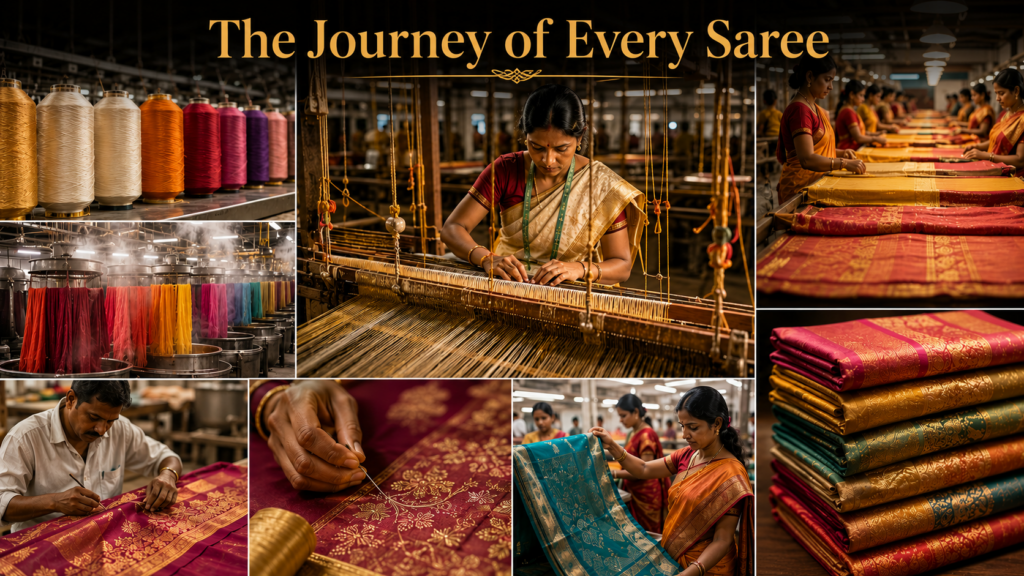
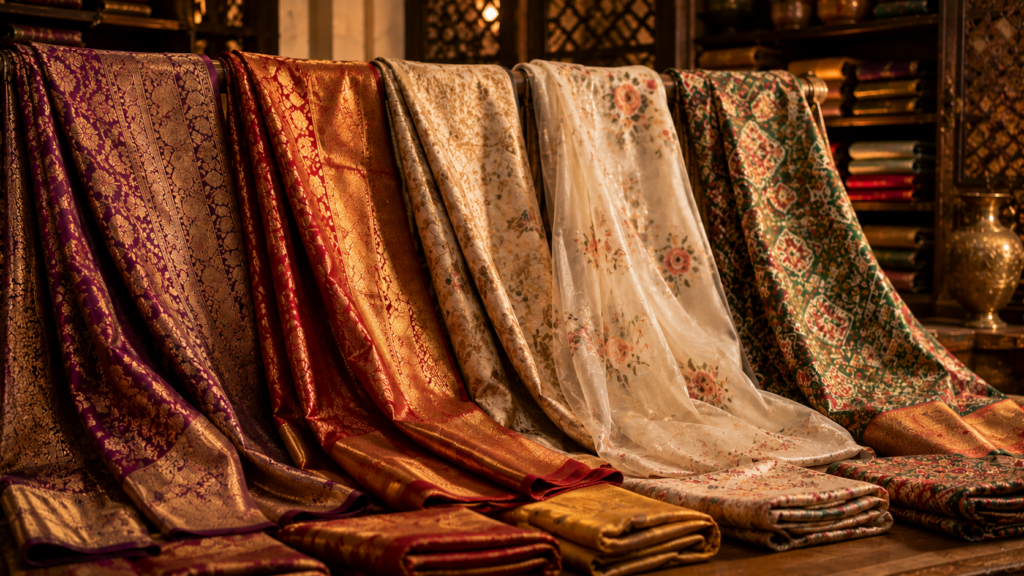
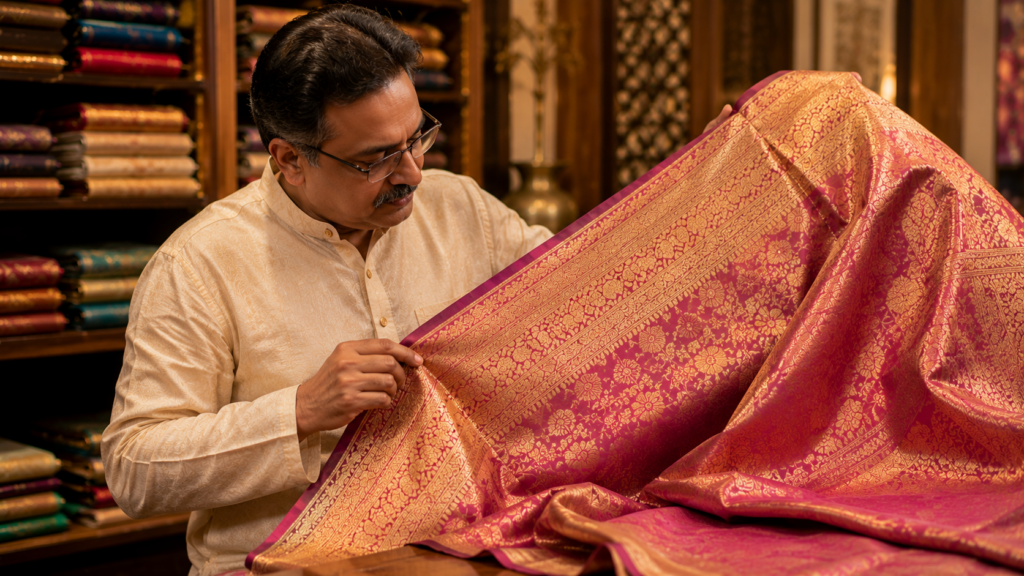
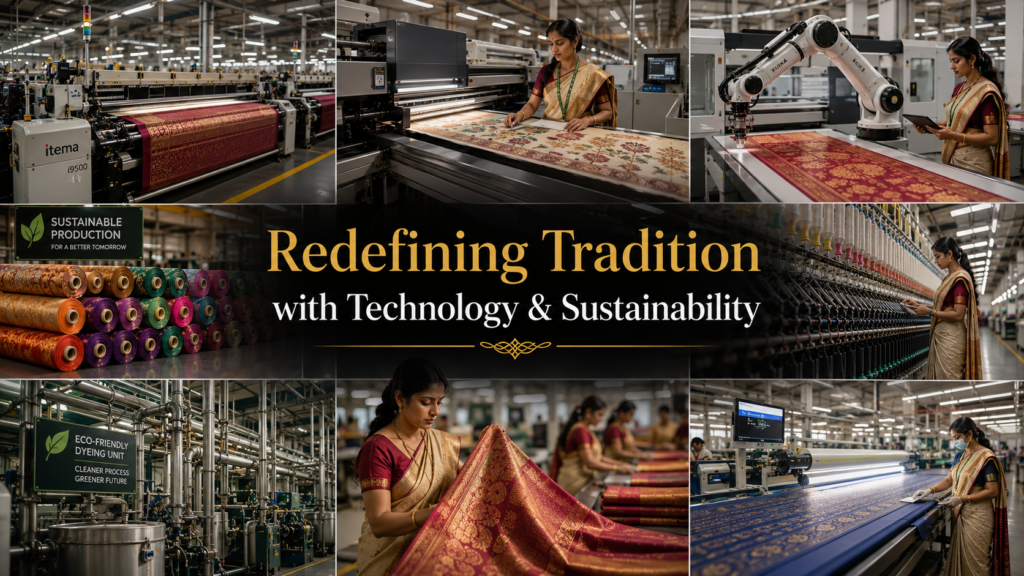
The saree has remained one of India’s most iconic garments for centuries, symbolizing elegance, culture, and craftsmanship. While its timeless appeal remains unchanged, the methods used to produce sarees have evolved significantly. Today, Modern Textile Technology Is Transforming Saree Production by combining traditional artistry with advanced manufacturing techniques that improve quality, efficiency, precision, and sustainability. From computerized looms and digital textile printing to AI-assisted quality control and eco-friendly dyeing processes, modern innovations are helping manufacturers create premium sarees that meet the expectations of today’s consumers without compromising India’s rich textile heritage. This comprehensive guide explains How Modern Textile Technology Is Transforming Saree Production, explores the latest innovations in textile manufacturing, and highlights how these advancements are shaping the future of India’s ethnic fashion industry. The Evolution of Saree Manufacturing For generations, Indian sarees were woven entirely by hand using traditional looms. Skilled artisans spent weeks or even months creating intricate patterns and luxurious fabrics. Today, technology supports these traditional methods by improving production efficiency while maintaining the beauty and authenticity of handcrafted designs. Modern textile innovation allows manufacturers to meet growing demand without sacrificing quality. Why Textile Technology Matters Advancements in textile technology help manufacturers achieve: Higher production efficiency Better fabric consistency Improved quality control Sustainable manufacturing Faster design development Greater customization Technology enables premium sarees to reach customers more quickly while maintaining exceptional craftsmanship. 10 Powerful Ways Modern Textile Technology Is Transforming Saree Production 1. Advanced Computerized Weaving Machines Modern weaving equipment has revolutionized saree manufacturing. Benefits include: Precise weaving Consistent patterns Reduced production errors Improved efficiency Better fabric quality Computerized looms complement traditional craftsmanship by delivering greater accuracy. 2. Digital Textile Printing Digital printing has expanded creative possibilities for saree designers. Advantages include: High-resolution designs Vibrant colours Faster production Reduced fabric waste Easy customization This technology allows brands to create unique collections with exceptional detail. 3. Automated Quality Inspection Quality control is becoming increasingly advanced through automation. Modern inspection systems detect: Weaving defects Colour inconsistencies Fabric imperfections Pattern misalignment This ensures every saree meets premium quality standards before reaching customers. 4. Eco-Friendly Dyeing Technology Sustainability has become a major focus within textile manufacturing. Modern dyeing methods help reduce: Water consumption Chemical usage Energy requirements Environmental impact Eco-conscious production benefits both manufacturers and consumers. 5. Precision Yarn Processing High-quality yarn preparation is essential for producing premium sarees. Advanced machinery improves: Yarn strength Uniformity Smoothness Durability This results in stronger, longer-lasting fabrics. 6. CAD-Based Saree Design Computer-Aided Design (CAD) software enables designers to create detailed patterns before production begins. Benefits include: Faster design revisions Accurate motif placement Colour experimentation Improved production planning Technology accelerates creativity while reducing design errors. 7. Smart Fabric Testing One reason Modern Textile Technology Is Transforming Saree Production is the introduction of sophisticated fabric testing. Manufacturers now evaluate: Tensile strength Colour fastness Shrinkage resistance Fabric durability Breathability Testing ensures premium performance and customer satisfaction. 8. Sustainable Manufacturing Practices Modern textile factories increasingly adopt environmentally responsible practices. Examples include: Solar-powered facilities Wastewater treatment systems Recycled packaging Energy-efficient machinery Responsible resource management Sustainability has become an important part of premium textile production. 9. Faster Production Without Compromising Quality Automation helps manufacturers meet increasing demand while maintaining consistent quality. Advantages include: Shorter production cycles Better inventory management Reliable product quality Faster delivery Consumers benefit from greater product availability. 10. Combining Tradition with Innovation Perhaps the greatest achievement of modern textile technology is its ability to preserve traditional weaving while embracing innovation. Manufacturers continue to support skilled artisans while using advanced equipment to improve productivity, precision, and consistency. This balance ensures India’s textile heritage remains relevant in today’s competitive global market. Traditional Craftsmanship Still Matters Although technology has transformed production, artisans remain central to premium saree manufacturing. Handcrafted elements such as: Zari weaving Traditional motifs Hand embroidery Heritage weaving techniques continue to define the uniqueness of Indian sarees. Technology enhances—not replaces—human craftsmanship. Sustainability in Saree Manufacturing Modern consumers increasingly value sustainable fashion. Leading textile manufacturers now focus on: Responsible sourcing Eco-friendly dyes Reduced waste Water conservation Ethical manufacturing These practices support long-term environmental responsibility while maintaining premium product quality. The Future of Saree Production Emerging technologies continue to reshape the textile industry. Future developments may include: AI-assisted design Smart textile monitoring Digital customization Advanced sustainable fibers Automated inventory systems These innovations will further improve quality, efficiency, and customer experience. Why Technology Benefits Saree Buyers Modern textile innovation provides customers with: Better fabric quality Greater consistency Improved durability Wider design choices Faster availability More sustainable products Technology enhances the overall value of every premium saree. Conclusion Understanding How Modern Textile Technology Is Transforming Saree Production reveals how innovation is strengthening one of India’s oldest textile traditions. From advanced weaving machinery and digital printing to sustainable manufacturing and AI-assisted quality control, technology is helping manufacturers produce premium sarees that combine timeless craftsmanship with modern efficiency. As the textile industry continues to evolve, the successful integration of traditional artistry and technological advancement ensures that silk sarees and other ethnic garments remain symbols of elegance, quality, and cultural heritage for generations to come. Frequently Asked Questions How has technology changed saree production? Technology has improved weaving precision, design development, quality control, sustainability, and manufacturing efficiency. Does technology replace traditional artisans? No. Modern technology supports artisans by improving production while preserving traditional craftsmanship. What is digital textile printing? Digital textile printing uses advanced printing technology to create detailed, vibrant designs directly on fabric. Why is sustainable textile manufacturing important? It reduces environmental impact by conserving water, energy, and raw materials while minimizing waste. What is the future of saree manufacturing? Future trends include AI-assisted design, smart textiles, advanced sustainable production, and greater customization.