Blog

Guide to Understanding Saree Fabrics Before You Buy
Blog

10 Amazing Secrets | Guide to Understanding Saree Fabrics Before You Buy

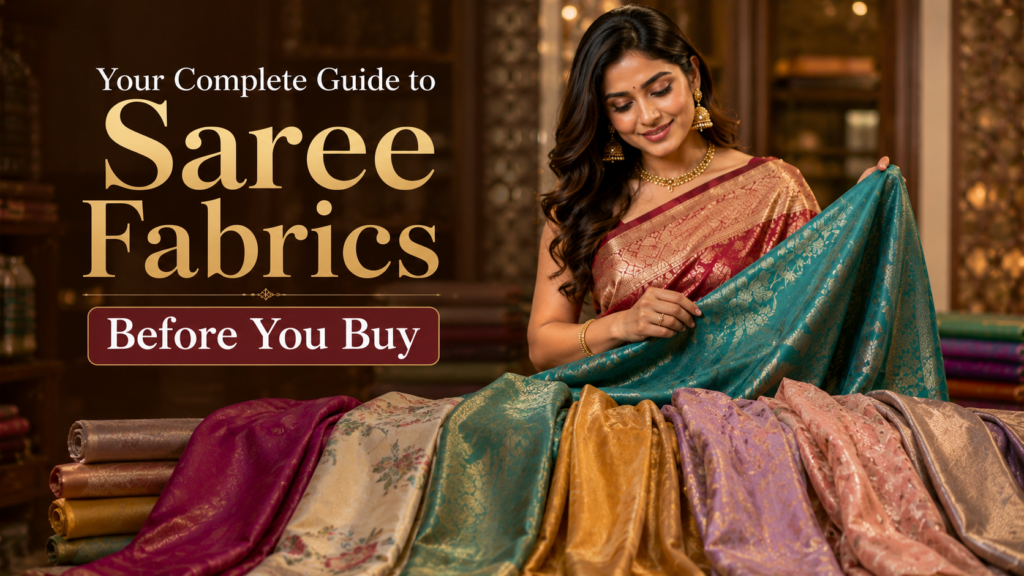
Buying a saree is about much more than choosing a beautiful design or attractive color. The fabric you select determines how comfortable the saree feels, how gracefully it drapes, how long it lasts, and whether it suits the occasion. This Guide to Understanding Saree Fabrics Before You Buy will help you make an informed decision so that every purchase becomes a valuable addition to your wardrobe. Whether you’re shopping for a wedding, festive celebration, office wear, or daily use, understanding saree fabrics is the first step toward choosing the perfect outfit. From luxurious silk to breathable cotton and lightweight georgette to elegant organza, each fabric offers unique characteristics. In this comprehensive Guide to Understanding Saree Fabrics Before You Buy, you’ll discover the differences between popular saree fabrics, their advantages, ideal occasions, maintenance tips, and expert buying advice. Guide to Understanding Saree Fabrics Before You Buy: Why Fabric Knowledge Matters This Guide to Understanding Saree Fabrics Before You Buy helps you select the right fabric based on comfort, durability, and occasion. Choosing the right material helps you enjoy: Better comfort Elegant draping Long-lasting durability Easier maintenance Occasion-appropriate styling Greater value for money Understanding fabrics also helps avoid costly purchasing mistakes. Silk Sarees: Timeless Luxury Silk remains one of the most prestigious saree fabrics in India. Its luxurious texture and natural shine make it the preferred choice for weddings and festive occasions. Advantages of Silk Sarees Rich appearance Premium finish Excellent durability Elegant drape Long-lasting quality Best For Weddings Festivals Traditional ceremonies Reception parties Luxury gifting If you want timeless elegance, silk is always an excellent investment. Cotton Sarees: Everyday Comfort Cotton sarees are perfect for women who value comfort and simplicity. Their breathable nature makes them ideal for warm weather and daily wear. Benefits Lightweight Soft texture Comfortable all day Easy maintenance Excellent breathability Best For Office wear Casual outings Summer season Daily use Cotton combines practicality with effortless elegance. Georgette Sarees: Modern Sophistication Georgette has become one of the most popular fabrics in contemporary ethnic fashion. It offers graceful movement while remaining easy to drape. Features Lightweight Slightly textured Wrinkle resistant Flattering silhouette Easy styling Best For Parties Evening events Festive celebrations Semi-formal functions Georgette offers an ideal balance between comfort and fashion. Chiffon Sarees: Lightweight Elegance Chiffon is admired for its soft, flowing appearance. Women who prefer delicate and feminine styles often choose chiffon sarees. Benefits Ultra-lightweight Smooth texture Elegant draping Comfortable movement Travel-friendly Perfect For Summer occasions Daytime events Casual celebrations Elegant evening gatherings Organza Sarees: Contemporary Glamour Organza has become increasingly popular in designer fashion. Its crisp texture creates a sophisticated and fashionable silhouette. Advantages Luxurious appearance Lightweight feel Structured drape Stylish finish Perfect for designer collections Organza sarees are ideal for women seeking modern elegance. Linen Sarees: Premium Simplicity Linen combines sophistication with exceptional comfort. It has become a preferred choice among professionals and fashion-conscious women. Features Breathable fabric Premium texture Natural appearance Durable fibers Comfortable throughout the day Linen sarees offer understated luxury. This Guide to Understanding Saree Fabrics Before You Buy recommends choosing a fabric that matches your lifestyle, climate, and the occasion. Before making a purchase, consider several important factors. 1. Occasion Wedding events generally require silk or designer fabrics. Office wear is better suited to cotton or linen. 2. Climate Summer: Cotton Chiffon Linen Winter: Silk Heavy georgette Monsoon: Georgette Chiffon 3. Comfort If you’ll wear the saree for several hours, prioritize breathable fabrics. 4. Maintenance Silk often requires dry cleaning, while cotton is much easier to wash and maintain. 5. Budget Premium fabrics cost more initially but often provide greater durability and long-term value. Common Mistakes to Avoid When Buying Sarees Many buyers focus only on appearance. Avoid these common mistakes: Ignoring fabric quality Buying only for design Choosing the wrong fabric for the season Overlooking maintenance requirements Purchasing without checking weaving quality Making informed decisions helps build a versatile saree collection. How Fabric Affects Draping The way a saree falls depends entirely on its material. Soft Drapes Chiffon Georgette Structured Drapes Organza Linen Rich Traditional Drapes Silk Choosing the right drape enhances your overall appearance. Fabric Quality and Durability Premium fabrics generally provide: Better strength Superior finish Longer lifespan Enhanced color retention Greater resistance to wear Investing in quality ensures your sarees remain beautiful for years. Caring for Different Saree Fabrics Proper care extends garment life. Silk Dry clean Store in muslin cloth Avoid direct sunlight Cotton Hand wash gently Iron while slightly damp Georgette & Chiffon Use mild detergent Avoid excessive twisting Dry naturally Organza Handle carefully Steam iron on low heat Store flat when possible Why Fabric Quality Matters in Premium Sarees Luxury brands prioritize fabric because it directly influences: Comfort Appearance Longevity Craftsmanship Customer satisfaction Premium fabrics also showcase embroidery and weaving more effectively than lower-quality materials. Conclusion This Guide to Understanding Saree Fabrics Before You Buy highlights why fabric selection is one of the most important decisions when purchasing ethnic wear. Every fabric offers unique advantages, from the timeless elegance of silk and the breathable comfort of cotton to the graceful movement of chiffon, the versatility of georgette, and the contemporary appeal of organza. By following this Guide to Understanding Saree Fabrics Before You Buy, you can confidently choose sarees that offer comfort, elegance, and long-lasting value, occasion, climate, and personal style. By investing in quality fabrics and caring for them properly, you can build a timeless saree collection that combines beauty, comfort, and durability. Frequently Asked Questions Which saree fabric is best for weddings? Silk sarees are the preferred choice for weddings because of their luxurious finish and timeless elegance. Which fabric is most comfortable for daily wear? Cotton and linen are excellent options for everyday comfort. Which saree fabric is easiest to drape? Georgette offers one of the easiest and most manageable drapes. What is the most luxurious saree fabric? Pure silk is widely regarded as the most luxurious saree fabric. How do I choose the right saree fabric? Consider the occasion, weather,
Silk Cotton Georgette or Chiffon Which Saree Fabric Is Right for You
Blog

Silk, Cotton, Georgette, or Chiffon: Which Saree Fabric Is Right for You? 10 Amazing Tips to Choose the Right Saree Fabric

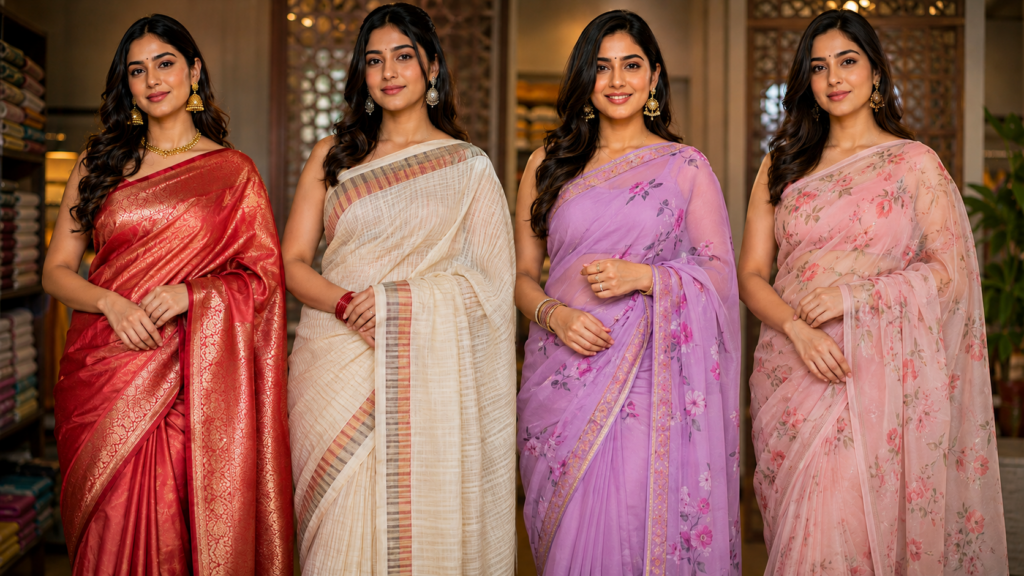
Choosing the perfect saree involves much more than selecting a beautiful color or attractive design. The fabric plays a vital role in determining how comfortable, elegant, and practical your saree will be. If you’ve ever wondered “Silk, Cotton, Georgette, or Chiffon: Which Saree Fabric Is Right for You?”, you’re not alone. Every fabric has its own unique characteristics, making it suitable for different occasions, seasons, and personal preferences. Whether you’re shopping for a wedding, office wear, festive celebrations, or casual outings, understanding the strengths of each fabric helps you make a confident choice. From the luxurious richness of silk to the breathable comfort of cotton, the graceful flow of georgette, and the lightweight elegance of chiffon, every fabric offers something special. This guide explores Silk, Cotton, Georgette, or Chiffon: Which Saree Fabric Is Right for You? to help you choose the perfect saree for every occasion. Why Choosing the Right Saree Fabric Matters The fabric of a saree affects much more than its appearance. The right fabric influences: Comfort throughout the day Ease of draping Durability Seasonal suitability Maintenance requirements Overall elegance Understanding Silk, Cotton, Georgette, or Chiffon: Which Saree Fabric Is Right for You? allows you to invest in sarees that suit both your lifestyle and fashion preferences. Silk Sarees – The Ultimate Symbol of Luxury Silk is often considered the queen of saree fabrics. Known for its natural sheen, luxurious texture, and timeless appeal, silk remains the preferred choice for weddings, festivals, and grand celebrations. Advantages of Silk Sarees Rich and luxurious appearance Excellent durability Beautiful natural shine Elegant draping Ideal for bridal and festive wear Best Occasions Weddings Reception parties Religious ceremonies Festivals Family celebrations If you want a regal and sophisticated look, silk is an excellent choice. Cotton Sarees – Comfort Meets Elegance Cotton sarees are loved for their simplicity, breathability, and versatility. They are perfect for women who value comfort without compromising style. Benefits of Cotton Sarees Highly breathable Comfortable for long hours Ideal for hot weather Easy to maintain Suitable for everyday wear Best Occasions Office wear Casual outings Summer events Daily wear Professional meetings Cotton sarees combine practicality with timeless elegance. Georgette Sarees – Stylish and Modern Georgette is one of the most popular fabrics in contemporary ethnic fashion. Its lightweight texture and fluid drape make it ideal for fashionable and modern styling. Advantages of Georgette Sarees Soft and flowy Easy to drape Wrinkle resistant Lightweight Flattering silhouette Best Occasions Parties Evening events Cocktail functions Festive gatherings Semi-formal occasions Georgette sarees offer a perfect balance of comfort and sophistication. Chiffon Sarees – Lightweight and Graceful Chiffon is known for its airy texture and effortless elegance. It creates a soft, feminine appearance that many women love. Benefits of Chiffon Sarees Extremely lightweight Elegant movement Comfortable to wear Soft texture Ideal for travel Best Occasions Daytime celebrations Summer weddings Brunch events Family gatherings Casual parties Chiffon sarees are perfect for those who prefer graceful and minimalistic fashion. Silk vs Cotton: Which Saree Fabric Is Better? Both fabrics offer distinct advantages. Choose Silk if you want: Luxury Rich appearance Festive elegance Traditional styling Choose Cotton if you want: Everyday comfort Breathability Simplicity Easy maintenance Your decision depends on the occasion and personal preferences. Georgette vs Chiffon: Understanding the Difference Many people confuse georgette with chiffon, but they have noticeable differences. Georgette Slightly textured Better structure Easier to manage Less transparent Chiffon Smoother finish More delicate Extremely lightweight Softer movement If you prefer better structure, georgette is ideal. For effortless elegance, chiffon is an excellent choice. Which Saree Fabric Is Best for Different Seasons? Choosing fabric according to the season improves comfort. Summer Best fabrics: Cotton Chiffon Lightweight Georgette Monsoon Recommended fabrics: Georgette Chiffon These dry quickly and remain easy to manage. Winter Ideal fabrics: Silk Heavy Georgette These provide warmth while maintaining elegance. How to Choose the Perfect Saree Fabric Before purchasing a saree, consider: Occasion Formal events often require silk, while casual occasions suit cotton or chiffon. Climate Choose breathable fabrics for warmer weather and richer fabrics for cooler seasons. Comfort Select fabrics that allow comfortable movement for extended wear. Maintenance Silk usually requires dry cleaning, while cotton is easier to maintain. Personal Style Some women prefer structured drapes, while others enjoy lightweight flowing fabrics. Understanding these factors makes it easier to answer Silk, Cotton, Georgette, or Chiffon: Which Saree Fabric Is Right for You? Why Premium Fabric Quality Matters High-quality fabrics offer: Better durability Richer colors Superior draping Longer lifespan Luxurious appearance Investing in premium fabrics ensures that your sarees remain beautiful for years. Caring for Different Saree Fabrics Proper maintenance extends the life of every saree. Silk Dry clean only Store in muslin cloth Avoid direct sunlight Cotton Gentle hand wash Iron while slightly damp Fold neatly Georgette Gentle washing Avoid excessive twisting Hang to dry Chiffon Mild detergent Gentle handling Low-temperature ironing Following fabric-specific care instructions preserves both beauty and durability. Conclusion When deciding Silk, Cotton, Georgette, or Chiffon: Which Saree Fabric Is Right for You?, there is no single perfect answer. Each fabric offers unique advantages depending on the occasion, season, comfort preferences, and personal style. Silk remains the ultimate choice for luxury and celebrations, cotton offers unmatched everyday comfort, georgette delivers contemporary elegance, and chiffon provides lightweight sophistication. Understanding these differences helps you build a versatile saree collection suitable for every event. Whether you’re shopping for festive wear, office attire, or designer ethnic fashion, choosing the right fabric ensures you look elegant while feeling comfortable throughout the day. Frequently Asked Questions Which saree fabric is best for weddings? Silk sarees are the preferred choice for weddings because of their luxurious appearance and timeless elegance. Is cotton better than silk for daily wear? Yes. Cotton is breathable, lightweight, and more comfortable for everyday use. What is the difference between georgette and chiffon sarees? Georgette has a slightly textured finish and more structure, while chiffon is smoother, softer, and lighter. Which saree fabric is easiest to drape? Georgette is generally considered

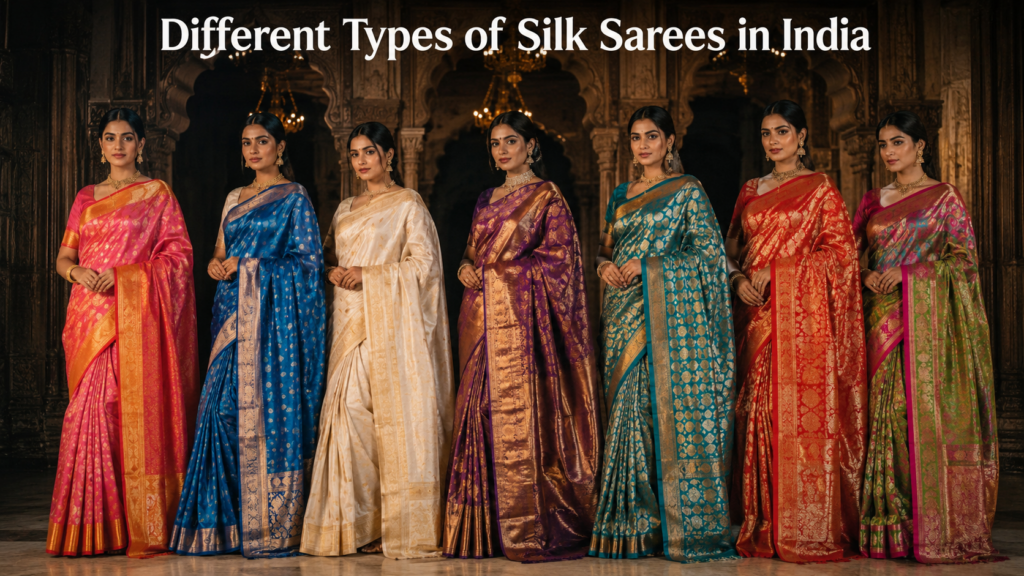
Different Types of Silk Sarees in India
Blog

Different Types of Silk Sarees in India: 11 Amazing Varieties Every Woman Should Know

Different Types of Silk Sarees in India reflect the country’s extraordinary textile heritage, craftsmanship, and cultural diversity. For centuries, silk sarees have symbolized elegance, luxury, and tradition, making them an essential part of Indian weddings, festivals, and special occasions. Each region of India has developed its own unique weaving techniques, patterns, and silk varieties, resulting in a remarkable collection of sarees that are admired worldwide. From the royal grandeur of Banarasi silk to the timeless beauty of Kanjivaram sarees, every silk saree tells a story of artistry and heritage. Understanding the Different Types of Silk Sarees in India helps buyers choose the perfect saree based on occasion, style preference, and budget. This comprehensive guide explores the most popular silk saree varieties and their unique characteristics. Table of Contents Why Silk Sarees Are Special Understanding Indian Silk Sarees Banarasi Silk Sarees Kanjivaram Silk Sarees Tussar Silk Sarees Mysore Silk Sarees Paithani Silk Sarees Patola Silk Sarees Chanderi Silk Sarees Baluchari Silk Sarees Frequently Asked Questions Conclusion Why Silk Sarees Are Special Silk sarees remain among the most prestigious garments in Indian fashion because of their: Natural sheen Rich texture Elegant drape Long-lasting durability Traditional significance Luxurious appearance These qualities make silk sarees a preferred choice for important celebrations and family occasions. Understanding Different Types of Silk Sarees in India India produces some of the world’s finest silk textiles. Different weaving communities have preserved their unique traditions for generations, creating sarees that reflect regional culture and craftsmanship. Factors that distinguish silk sarees include: Type of silk used Weaving techniques Motifs and designs Color combinations Regional heritage Learning about the Different Types of Silk Sarees in India helps buyers appreciate their value and authenticity. 1. Banarasi Silk Sarees Banarasi silk sarees originate from Varanasi, one of India’s most famous weaving centers. Unique Characteristics Intricate zari work Rich brocade patterns Luxurious silk texture Traditional floral motifs Best For Weddings Bridal wear Grand celebrations Banarasi sarees are considered one of the most luxurious Different Types of Silk Sarees in India. 2. Kanjivaram Silk Sarees Kanjivaram sarees from Tamil Nadu are renowned for exceptional craftsmanship and durability. Unique Characteristics Pure mulberry silk Contrasting borders Rich temple-inspired motifs Heavy silk construction Best For South Indian weddings Religious ceremonies Festive events Their timeless elegance makes them highly sought after. 3. Tussar Silk Sarees Tussar silk is known for its natural texture and earthy appeal. Unique Characteristics Rich texture Natural golden sheen Lightweight feel Elegant simplicity Best For Formal occasions Cultural events Contemporary ethnic styling Tussar silk beautifully combines luxury with comfort. 4. Mysore Silk Sarees Mysore silk sarees are among the finest silk products produced in Karnataka. Unique Characteristics Smooth texture Lightweight drape Pure silk quality Minimalistic elegance Best For Formal gatherings Corporate events Festive celebrations These sarees are ideal for women who appreciate understated sophistication. 5. Paithani Silk Sarees Paithani sarees are one of Maharashtra’s most treasured textile traditions. Unique Characteristics Handwoven craftsmanship Peacock motifs Rich borders Vibrant color combinations Best For Weddings Traditional celebrations Heritage collections Paithani remains one of the most admired Different Types of Silk Sarees in India. 6. Patola Silk Sarees Patola sarees from Gujarat are famous for their highly intricate double ikat weaving. Unique Characteristics Geometric designs Vibrant colors Precision weaving Exceptional durability Best For Special occasions Luxury collections Cultural events Patola weaving is considered one of India’s most complex textile arts. 7. Chanderi Silk Sarees Chanderi sarees combine silk and fine weaving traditions from Madhya Pradesh. Unique Characteristics Lightweight fabric Subtle sheen Elegant transparency Comfortable wearability Best For Daytime celebrations Office functions Festive gatherings Their versatility makes them increasingly popular. 8. Baluchari Silk Sarees Baluchari sarees from West Bengal are celebrated for their storytelling motifs. Unique Characteristics Mythological designs Detailed pallu artwork Fine silk texture Artistic craftsmanship Best For Cultural events Traditional functions Saree collectors These sarees showcase exceptional weaving artistry. 9. Muga Silk Sarees Muga silk originates primarily from Assam and is highly valued for its natural golden color. Unique Characteristics Natural golden sheen Extraordinary durability Rare silk variety Premium appearance Best For Luxury occasions Traditional ceremonies Heritage collections Muga silk is often regarded as one of the rarest silk fabrics in India. 10. Bhagalpuri Silk Sarees Bhagalpur is known as the Silk City of India. Unique Characteristics Soft texture Natural appearance Lightweight comfort Versatile styling Best For Daily elegance Formal gatherings Casual celebrations These sarees combine affordability with sophistication. 11. Organza Silk Sarees Modern fashion has increased the popularity of organza silk sarees. Unique Characteristics Crisp texture Sheer appearance Contemporary appeal Structured drape Best For Fashion events Designer collections Modern celebrations Organza silk represents the evolving nature of Indian ethnic fashion. How to Choose the Right Silk Saree Consider the Occasion Wedding sarees often require richer silk varieties. Check Fabric Quality Authentic silk offers superior texture and durability. Evaluate Weaving Craftsmanship Intricate weaving generally indicates higher quality. Select Appropriate Colors Choose colors that complement the event and personal style. Verify Authenticity Look for trusted manufacturers and quality certifications. Following these guidelines helps buyers select the best silk saree for their needs. Caring for Silk Sarees Proper care extends the lifespan of silk garments. Storage Tips Store in breathable fabric covers Avoid plastic packaging Refold periodically Cleaning Tips Prefer professional dry cleaning Protect from harsh chemicals Avoid excessive sunlight exposure These practices preserve the beauty of silk sarees for years. Frequently Asked Questions Which is the most expensive silk saree in India? Banarasi, Kanjivaram, Patola, and Muga silk sarees are often among the most expensive due to their craftsmanship and premium materials. Which silk saree is best for weddings? Banarasi and Kanjivaram silk sarees remain the most popular wedding choices. How can I identify pure silk? Pure silk typically has a natural sheen, smooth texture, and excellent drape. Which silk saree is best for daily wear? Mysore Silk and Bhagalpuri Silk sarees are comfortable options for regular use. Conclusion The Different Types of Silk Sarees in India showcase the country’s extraordinary textile heritage and artistic excellence. From the regal

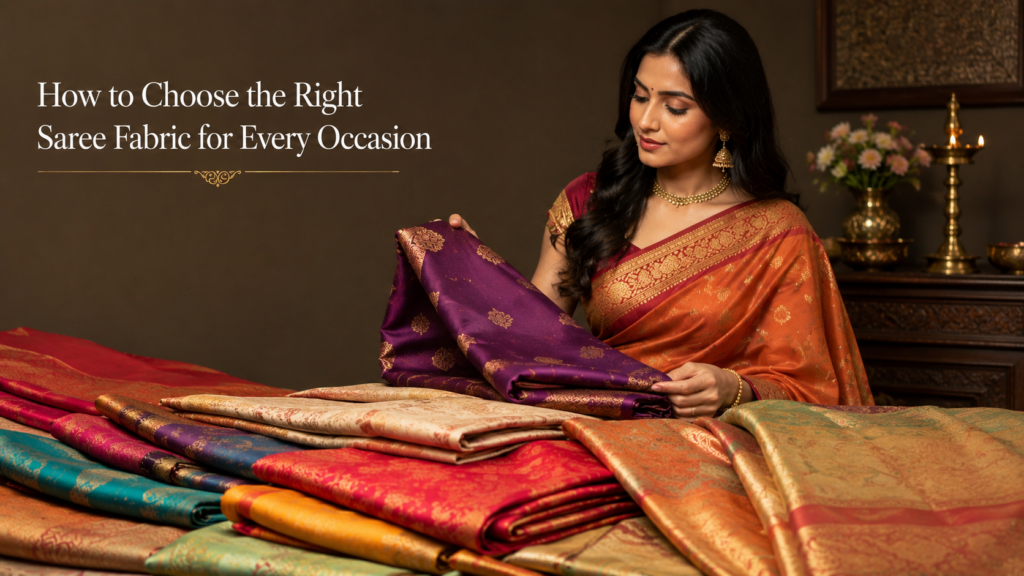
Choose the Right Saree Fabric for Every Occasion
Blog

How to Choose the Right Saree Fabric for Every Occasion: 9 Expert Tips

Choosing the perfect saree involves much more than selecting an attractive color or design. To truly Choose the Right Saree Fabric for Every Occasion, it is important to understand how different fabrics influence comfort, appearance, drape, durability, and overall style. A saree that feels perfect at a wedding may not be suitable for office wear, while a lightweight fabric ideal for summer may not provide the grandeur needed for festive celebrations. India’s rich textile heritage offers a wide variety of saree fabrics, each designed to suit specific occasions and personal preferences. From luxurious silk and elegant organza to breathable cotton and versatile georgette, every fabric has unique characteristics that make it special. This guide will help you confidently Choose the Right Saree Fabric for Every Occasion while ensuring comfort, elegance, and practicality. Table of Contents Why Saree Fabric Matters Understanding Different Saree Fabrics Best Saree Fabrics for Weddings Best Saree Fabrics for Festivals Best Saree Fabrics for Office Wear Best Saree Fabrics for Casual Wear Best Saree Fabrics for Summer and Winter Tips to Choose the Right Saree Fabric for Every Occasion Frequently Asked Questions Conclusion Why Saree Fabric Matters The fabric is the foundation of every saree. It determines: Comfort level Drape quality Durability Maintenance requirements Seasonal suitability Overall appearance When you Choose the Right Saree Fabric for Every Occasion, you enhance both style and comfort. Understanding Different Saree Fabrics Before selecting a saree, it is important to understand the most popular fabric options available. Silk Known for luxury, richness, and elegance. Cotton Highly breathable and comfortable. Georgette Lightweight with excellent draping qualities. Chiffon Soft, airy, and feminine. Organza Structured and fashionable. Linen Modern, sophisticated, and comfortable. Each fabric serves different purposes depending on the event and environment. Best Saree Fabrics for Weddings Wedding sarees require grandeur and sophistication. Silk Sarees Silk remains the top choice for weddings. Benefits: Rich texture Luxurious appearance Excellent drape Traditional elegance Popular options include: Banarasi Silk Kanjivaram Silk Paithani Silk Tussar Silk Organza Sarees Organza offers contemporary elegance and is increasingly popular for wedding functions. Designer Sarees Designer sarees featuring premium fabrics and embellishments are ideal for modern celebrations. To Choose the Right Saree Fabric for Every Occasion, silk remains the safest and most luxurious wedding option. Best Saree Fabrics for Festivals Festivals call for vibrant, comfortable, and elegant attire. Georgette Sarees Perfect for festive gatherings because of their lightweight nature. Chiffon Sarees Offer graceful movement and effortless style. Chanderi Sarees Known for elegance and traditional appeal. Silk Sarees Ideal for major festivals and religious celebrations. These fabrics provide the perfect balance of comfort and festive sophistication. Best Saree Fabrics for Office Wear Professional settings require comfort and understated elegance. Cotton Sarees Cotton sarees remain a popular office wear choice. Advantages: Breathability Comfort Easy maintenance Professional appearance Linen Sarees Linen creates a polished and sophisticated look. Lightweight Silk Sarees Subtle silk sarees can elevate professional attire while maintaining elegance. When selecting office wear, prioritize comfort and practicality. Best Saree Fabrics for Casual Wear Everyday sarees should be easy to wear and maintain. Cotton Sarees Ideal for daily use due to comfort and breathability. Printed Georgette Sarees Offer versatility and modern style. Linen Sarees Provide casual sophistication. Chiffon Sarees Lightweight and easy to manage. These fabrics help you Choose the Right Saree Fabric for Every Occasion without sacrificing convenience. Best Saree Fabrics for Summer Hot weather requires breathable and lightweight materials. Cotton The most comfortable option for summer. Linen Provides excellent airflow and comfort. Chiffon Keeps you cool while maintaining elegance. Georgette Offers lightweight comfort and stylish draping. Choosing climate-appropriate fabrics significantly improves wearability. Best Saree Fabrics for Winter Cooler temperatures allow for richer and heavier fabrics. Silk Provides warmth while maintaining luxury. Tussar Silk Ideal for winter occasions. Banarasi Silk Perfect for weddings and festive events during colder months. These fabrics combine comfort with seasonal suitability. 9 Expert Tips to Choose the Right Saree Fabric for Every Occasion 1. Consider the Event Formal occasions often require luxurious fabrics. 2. Evaluate Weather Conditions Choose breathable fabrics for summer and richer fabrics for winter. 3. Prioritize Comfort Comfort should always influence fabric selection. 4. Assess Fabric Weight Heavier fabrics create structure while lighter fabrics provide ease of movement. 5. Examine Drape Quality Different fabrics produce different silhouettes. 6. Consider Maintenance Requirements Some fabrics require specialized care. 7. Check Fabric Durability Premium fabrics typically last longer. 8. Match Fabric with Personal Style Select fabrics that complement your fashion preferences. 9. Invest in Quality High-quality fabrics provide better value over time. Following these tips helps you consistently Choose the Right Saree Fabric for Every Occasion. Common Fabric Mistakes to Avoid Choosing Fabric Solely Based on Appearance Comfort and practicality are equally important. Ignoring Climate Conditions Weather significantly affects comfort. Overlooking Maintenance Needs Some premium fabrics require careful handling. Selecting Heavy Fabrics for Long Events Excessive weight may reduce comfort. Avoiding these mistakes ensures a better saree-wearing experience. Frequently Asked Questions Which saree fabric is best for weddings? Silk fabrics such as Banarasi and Kanjivaram are among the best wedding choices. Which saree fabric is most comfortable for summer? Cotton and linen sarees offer superior comfort during hot weather. Is georgette suitable for festive occasions? Yes. Georgette combines elegance, comfort, and versatility. How do I choose the right saree fabric? Consider the occasion, weather, comfort requirements, maintenance needs, and personal style preferences. Conclusion Learning how to Choose the Right Saree Fabric for Every Occasion can significantly improve your saree-wearing experience. Whether attending a wedding, celebrating a festival, heading to the office, or dressing casually, selecting the appropriate fabric ensures both comfort and elegance. From luxurious silk and graceful organza to breathable cotton and versatile georgette, every fabric offers unique benefits. By understanding these characteristics and matching them to specific occasions, you can confidently Choose the Right Saree Fabric for Every Occasion and enjoy timeless style, comfort, and sophistication.
Indian Saree Fabrics and Their Unique Characteristics
Blog

The Ultimate Guide to Indian Saree Fabrics: 11 Amazing Types and Unique Characteristics

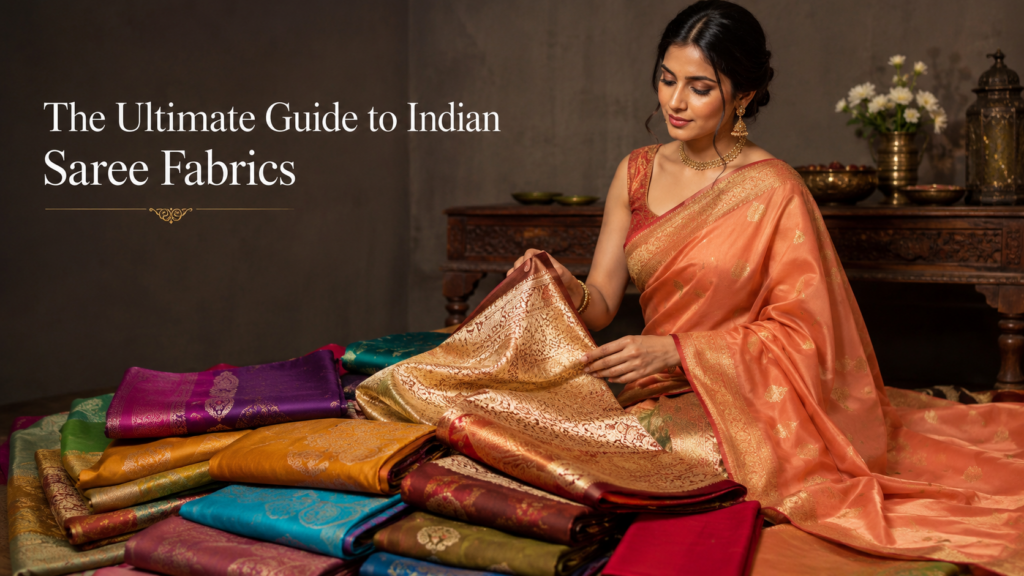
Indian Saree Fabrics are the foundation of every beautiful saree. While weaving patterns, embroidery, and colors contribute to a saree’s appeal, the fabric determines its comfort, durability, drape, and overall elegance. India is known worldwide for its rich textile heritage, offering a remarkable variety of saree fabrics that cater to different occasions, climates, and personal preferences. From luxurious silk sarees worn during weddings to breathable cotton sarees ideal for daily wear, every fabric tells a unique story of craftsmanship and tradition. Understanding these fabrics helps buyers make informed decisions and appreciate the artistry behind Indian ethnic fashion. This ultimate guide explores the most popular Indian Saree Fabrics, their unique characteristics, and how to choose the perfect fabric for every occasion. Table of Contents Why Indian Saree Fabrics Matter Understanding Different Saree Fabrics Silk Sarees and Their Characteristics Cotton Sarees and Their Benefits Georgette Sarees Explained Chiffon Sarees and Their Appeal Organza Sarees and Modern Fashion Linen Sarees for Contemporary Elegance How to Choose the Right Saree Fabric Frequently Asked Questions Conclusion Why Indian Saree Fabrics Matter The fabric of a saree directly influences: Comfort Durability Appearance Maintenance Drape Seasonal suitability Premium Indian Saree Fabrics enhance the overall experience of wearing a saree and contribute to its long-term value. Understanding Indian Saree Fabrics India offers a diverse range of saree fabrics, each designed for specific purposes and occasions. Factors influencing fabric choice include: Climate Event type Personal comfort Fashion preferences Budget Learning about these options helps buyers select sarees that match their needs perfectly. 1. Silk Sarees: The Queen of Indian Saree Fabrics Silk is widely regarded as the most luxurious among all Indian Saree Fabrics. Unique Characteristics of Silk Sarees Natural sheen Rich texture Excellent durability Elegant drape Timeless appeal Popular Silk Sarees Banarasi Silk Kanjivaram Silk Tussar Silk Mysore Silk Paithani Silk Best Occasions Weddings Religious ceremonies Grand celebrations Silk sarees remain a symbol of elegance and sophistication. 2. Cotton Sarees: Comfort Meets Tradition Cotton sarees are among the most comfortable Indian saree options. Unique Characteristics of Cotton Sarees Breathable fabric Lightweight feel Soft texture Easy maintenance Excellent moisture absorption Best Occasions Daily wear Office wear Summer events Cotton continues to be one of the most practical Indian Saree Fabrics available today. 3. Georgette Sarees: Lightweight Elegance Georgette sarees have gained immense popularity due to their versatility. Unique Characteristics of Georgette Sarees Fluid drape Lightweight construction Wrinkle resistance Modern appeal Best Occasions Parties Social gatherings Festive celebrations Georgette allows for effortless styling while maintaining sophistication. 4. Chiffon Sarees: Graceful and Feminine Chiffon sarees are known for their delicate appearance and graceful movement. Unique Characteristics of Chiffon Sarees Soft texture Airy feel Elegant flow Lightweight comfort Best Occasions Evening events Casual celebrations Summer functions Their effortless drape makes chiffon a favorite among modern saree enthusiasts. 5. Organza Sarees: Modern Luxury Organza has emerged as one of the trendiest Indian Saree Fabrics in recent years. Unique Characteristics of Organza Sarees Crisp texture Sheer appearance Structured drape Premium aesthetic Best Occasions Fashion events Designer collections Festive occasions Organza combines contemporary style with traditional elegance. 6. Linen Sarees: Contemporary Sophistication Linen sarees are increasingly popular among women seeking modern elegance. Unique Characteristics of Linen Sarees Natural texture Breathability Durability Minimalistic appeal Best Occasions Office wear Casual gatherings Professional events Linen offers both comfort and sophistication. 7. Satin Sarees: Luxurious Shine Satin sarees provide a glamorous appearance. Unique Characteristics of Satin Sarees Smooth surface Reflective finish Rich visual appeal Elegant draping These sarees are ideal for contemporary styling. 8. Tissue Sarees: Lightweight Glamour Tissue sarees are admired for their shimmering appearance. Unique Characteristics of Tissue Sarees Metallic finish Lightweight structure Festive appeal Elegant texture These sarees are commonly worn during celebrations. 9. Crepe Sarees: Modern Versatility Crepe sarees offer excellent flexibility and comfort. Unique Characteristics of Crepe Sarees Slightly textured surface Easy maintenance Comfortable fit Contemporary appeal They are suitable for both formal and casual occasions. 10. Chanderi Sarees: Heritage and Elegance Chanderi sarees represent one of India’s most respected textile traditions. Unique Characteristics of Chanderi Sarees Lightweight fabric Fine texture Luxurious appearance Traditional craftsmanship These sarees remain highly valued among ethnic wear enthusiasts. 11. Tussar Silk Sarees: Natural Beauty Tussar silk is known for its unique texture and organic appearance. Unique Characteristics of Tussar Silk Sarees Rich texture Natural sheen Earthy aesthetic Comfortable wearability Tussar silk beautifully showcases India’s textile heritage. How to Choose the Right Indian Saree Fabrics Consider the Occasion Different events require different fabric choices. Evaluate Climate Conditions Choose breathable fabrics for warmer temperatures. Focus on Comfort Comfort should remain a top priority. Assess Maintenance Requirements Some fabrics require specialized care. Examine Fabric Quality Premium fabrics offer better durability and appearance. Selecting the right Indian Saree Fabrics ensures satisfaction and long-term value. Caring for Different Indian Saree Fabrics Silk Care Dry clean when necessary Store carefully Protect from direct sunlight Cotton Care Gentle washing Proper ironing Neat folding Delicate Fabric Care Handle with care Avoid excessive friction Use breathable storage Proper maintenance preserves fabric beauty for years. Frequently Asked Questions Which is the most luxurious among Indian Saree Fabrics? Silk is generally considered the most luxurious saree fabric due to its sheen, durability, and elegance. Which saree fabric is best for summer? Cotton, linen, and chiffon are excellent choices for warm weather. Are organza sarees suitable for weddings? Yes. Organza sarees are increasingly popular for wedding functions and festive events. How do I choose the right saree fabric? Consider comfort, occasion, climate, maintenance requirements, and personal style preferences. Conclusion Indian Saree Fabrics play a crucial role in defining the beauty, comfort, and elegance of a saree. From luxurious silk and heritage Chanderi to modern organza and breathable cotton, each fabric offers unique characteristics that cater to different occasions and preferences. Understanding the qualities of various Indian Saree Fabrics helps buyers make confident choices while appreciating India’s extraordinary textile traditions. Whether you prefer traditional luxury or contemporary sophistication, selecting the right fabric ensures a saree that is both beautiful and

Science Behind Superior Fabric Quality
Blog

The Science Behind Superior Fabric Quality: 9 Powerful Factors That Matter

Superior Fabric Quality is one of the most important factors that distinguishes premium garments from ordinary clothing. While many consumers focus on design, color, or brand reputation, the true foundation of a high-quality garment lies in the science behind its fabric. From fiber selection and yarn construction to weaving techniques and finishing processes, multiple scientific factors work together to determine how a fabric looks, feels, and performs. In today’s competitive fashion industry, manufacturers invest heavily in research and development to create fabrics that offer exceptional comfort, durability, breathability, and visual appeal. Understanding the science behind superior fabric quality helps consumers make informed purchasing decisions while appreciating the craftsmanship involved in premium textile production. This article explains the scientific principles that contribute to Superior Fabric Quality and why they matter in luxury fashion and ethnic wear. Table of Contents What Defines Superior Fabric Quality The Role of Fiber Selection Yarn Quality and Fabric Performance Weaving and Knitting Technologies Fabric Density and Strength Dyeing and Finishing Processes Testing Standards for Fabric Quality Modern Textile Innovations Frequently Asked Questions Conclusion What Defines Superior Fabric Quality? Fabric quality is determined by a combination of physical, chemical, and mechanical properties. Premium fabrics are designed to deliver excellent performance while maintaining comfort and aesthetic appeal. Characteristics of superior fabrics include: Soft texture High durability Excellent breathability Color retention Wrinkle resistance Elegant drape Long-lasting performance The science behind Superior Fabric Quality begins with selecting the right raw materials and manufacturing processes. The Role of Fiber Selection in Superior Fabric Quality Every fabric starts with fibers. The quality of these fibers directly impacts the final textile product. Natural Fibers Natural fibers are widely used in premium textiles. Examples include: Cotton Silk Linen Wool Benefits: Breathability Comfort Moisture absorption Natural softness Synthetic Fibers Advanced synthetic fibers offer performance benefits. Examples: Polyester Nylon Rayon Modal Advantages: Durability Wrinkle resistance Shape retention Easy maintenance Premium manufacturers often combine natural and synthetic fibers to achieve optimal performance. How Fiber Length Affects Fabric Quality Fiber length plays a crucial role in determining fabric performance. Long-Staple Fibers Long fibers produce: Smoother fabrics Stronger yarns Reduced pilling Better durability Short-Staple Fibers Short fibers may create: Rougher textures Increased fuzziness Lower durability Because of these differences, luxury textile manufacturers frequently prefer long-staple fibers. Yarn Quality and Superior Fabric Quality Once fibers are selected, they are spun into yarns. Yarn quality influences: Fabric strength Texture Appearance Durability Yarn Twist The amount of twist applied affects fabric performance. Higher twist levels generally provide: Increased strength Improved durability Better resistance to wear Yarn Uniformity Consistent yarn thickness creates smoother and more attractive fabrics. As a result, yarn engineering is a critical component of Superior Fabric Quality. Weaving and Knitting Technologies Fabric construction significantly impacts its final characteristics. Weaving Woven fabrics are created by interlacing yarns. Common weave structures include: Plain Weave Provides durability and simplicity. Twill Weave Offers strength and distinctive texture. Satin Weave Creates a smooth and luxurious surface. Knitting Knitted fabrics provide: Flexibility Comfort Stretchability Both weaving and knitting technologies contribute to fabric functionality and appearance. Fabric Density and Strength Fabric density refers to the number of yarns present within a specific area. Higher density often results in: Greater durability Improved structure Enhanced longevity However, balance is important because excessive density can reduce breathability. Premium manufacturers carefully optimize density to achieve ideal performance characteristics. Breathability and Moisture Management Comfort depends heavily on a fabric’s ability to manage heat and moisture. Air Permeability Breathable fabrics allow air circulation, improving wearer comfort. Moisture Absorption Natural fibers often absorb moisture effectively, helping regulate body temperature. Moisture Wicking Modern performance fabrics move moisture away from the skin for enhanced comfort. These scientific properties play a significant role in Superior Fabric Quality. Dyeing Science and Color Performance Color quality extends beyond visual appeal. Premium fabrics undergo advanced dyeing processes to ensure: Color consistency Fade resistance Wash durability Vibrant appearance Colorfastness Testing Manufacturers evaluate: Washing resistance Light exposure resistance Friction resistance These tests help maintain fabric appearance over time. Fabric Finishing Technologies Fabric finishing enhances performance and aesthetics. Popular finishing techniques include: Softening Treatments Improve comfort and texture. Anti-Wrinkle Finishes Reduce maintenance requirements. Water-Repellent Finishes Provide protection against moisture. Anti-Microbial Treatments Enhance hygiene and freshness. Advanced finishing technologies contribute significantly to Superior Fabric Quality. Quality Testing Standards in Textile Manufacturing Premium manufacturers rely on rigorous testing procedures. Tensile Strength Testing Measures fabric resistance to pulling forces. Abrasion Testing Evaluates wear resistance. Shrinkage Testing Ensures dimensional stability. Pilling Resistance Testing Measures tendency to form fabric pills. Colorfastness Evaluation Assesses long-term color retention. These scientific assessments help guarantee consistent product quality. The Role of Textile Innovation Modern technology continues to transform textile manufacturing. Smart Fabrics Offer enhanced functionality and performance. Sustainable Textiles Reduce environmental impact while maintaining quality. Advanced Fiber Engineering Creates stronger and more comfortable materials. Eco-Friendly Dyeing Supports sustainable production practices. Innovation ensures that Superior Fabric Quality continues to evolve with changing consumer expectations. How Superior Fabric Quality Benefits Consumers Investing in premium fabrics offers several advantages: Better comfort Improved durability Enhanced appearance Longer garment lifespan Greater value for money Increased satisfaction Consumers often discover that high-quality fabrics maintain their beauty and functionality for years. Frequently Asked Questions What determines Superior Fabric Quality? Fiber quality, yarn construction, weaving techniques, dyeing processes, and finishing treatments all contribute to fabric quality. Why are premium fabrics more expensive? Premium fabrics require better raw materials, advanced manufacturing techniques, and rigorous quality testing. Does fabric quality affect garment lifespan? Yes. Higher-quality fabrics generally last longer and maintain their appearance better over time. How can consumers identify quality fabrics? Look for smooth texture, strong construction, consistent weaving, color quality, and reputable craftsmanship. Conclusion Superior Fabric Quality is the result of science, innovation, and skilled craftsmanship working together. From fiber selection and yarn engineering to weaving technologies and advanced finishing processes, every stage of textile production contributes to the final performance of a fabric. Understanding the science behind Superior Fabric Quality allows consumers to appreciate the value of premium

Complete Guide to Indian Sarees
Blog

Complete Guide to Indian Sarees: 15 Amazing Types, Fabrics and Styles

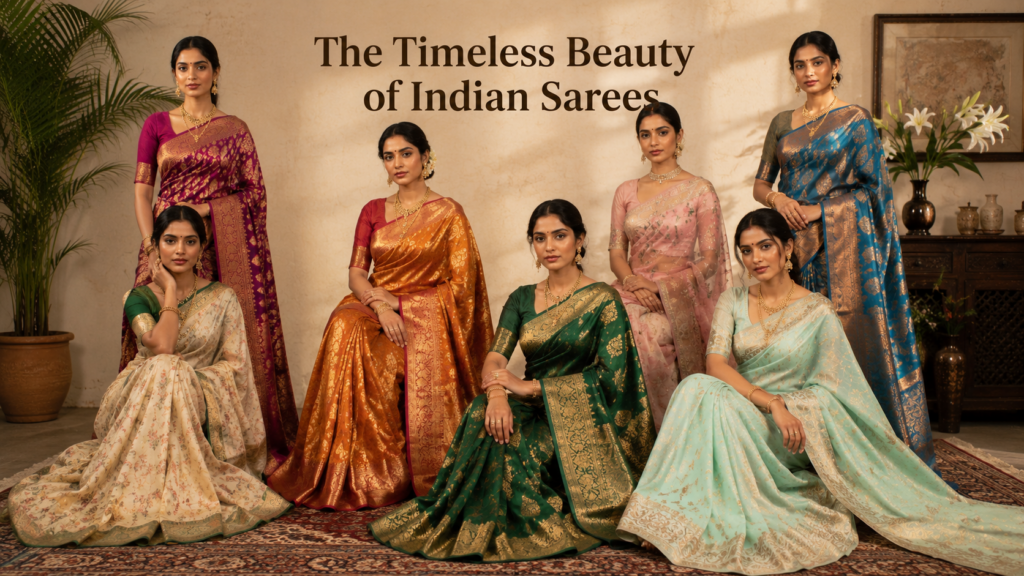
Complete Guide to Indian Sarees begins with understanding why the saree remains one of the most timeless and elegant garments in Indian fashion. Worn for centuries across different regions, the saree represents culture, tradition, artistry, and sophistication. From luxurious silk masterpieces to lightweight cotton drapes, Indian sarees offer endless variety for women of all ages and preferences. Today, sarees are available in numerous fabrics, weaving styles, regional designs, and contemporary interpretations. Whether you are purchasing your first saree or expanding an existing collection, understanding different types, fabrics, and styling options helps you make informed choices. This Complete Guide to Indian Sarees explores everything you need to know about selecting the perfect saree for every occasion. Table of Contents What Makes Indian Sarees Unique Popular Types of Indian Sarees Common Saree Fabrics Choosing the Right Saree for Every Occasion Traditional and Modern Saree Styles How to Select Quality Sarees Caring for Indian Sarees Frequently Asked Questions Conclusion What Makes Indian Sarees Unique? Indian sarees stand apart because of their rich cultural significance and exceptional craftsmanship. Key features include: Regional weaving traditions Handcrafted details Diverse fabric options Unique motifs and patterns Timeless elegance Versatile styling possibilities Because of these qualities, sarees continue to remain an essential part of Indian fashion. Why This Complete Guide to Indian Sarees Matters A saree purchase is often an investment in tradition and quality. Understanding different categories helps buyers select garments that match their preferences and occasions. Benefits of learning about sarees include: Better buying decisions Improved fabric knowledge Enhanced styling confidence Long-term wardrobe value Appreciation of textile craftsmanship 15 Popular Types of Indian Sarees 1. Banarasi Saree Banarasi sarees from Varanasi are known for luxurious silk and intricate zari work. Best for: Weddings Grand celebrations Festive occasions 2. Kanjivaram Saree Originating from Tamil Nadu, Kanjivaram sarees are celebrated for their durability and rich silk quality. 3. Patola Saree Patola sarees from Gujarat feature highly detailed double-ikat weaving techniques. 4. Chanderi Saree Known for lightweight elegance and delicate texture. 5. Bandhani Saree Famous for vibrant tie-dye patterns. 6. Paithani Saree A luxurious Maharashtrian saree featuring intricate borders and motifs. 7. Tussar Silk Saree Valued for its natural texture and earthy appearance. 8. Sambalpuri Saree Known for traditional ikat weaving patterns. 9. Kota Doria Saree Lightweight and breathable, ideal for warm climates. 10. Organza Saree A modern favorite offering elegance and structure. 11. Georgette Saree Popular for contemporary draping and versatility. 12. Chiffon Saree Known for softness and graceful movement. 13. Linen Saree Combines comfort with modern sophistication. 14. Cotton Saree Perfect for everyday wear and summer comfort. 15. Designer Saree Contemporary sarees featuring innovative designs and embellishments. Understanding Saree Fabrics Silk Sarees Silk remains the most prestigious fabric in Indian ethnic fashion. Advantages: Rich appearance Luxurious texture Elegant drape Excellent durability Cotton Sarees Cotton sarees provide unmatched comfort and breathability. Benefits: Lightweight Easy maintenance Comfortable for daily wear Georgette Sarees Georgette fabrics create fluid movement and modern styling options. Chiffon Sarees Chiffon offers a soft and feminine appearance. Organza Sarees Organza delivers structured elegance suitable for contemporary fashion. Linen Sarees Linen provides sophistication with superior comfort. The Complete Guide to Indian Sarees highlights the importance of choosing fabrics based on comfort, occasion, and personal style. Choosing the Right Saree for Every Occasion Wedding Sarees Recommended fabrics: Banarasi Silk Kanjivaram Silk Paithani Silk Festive Sarees Ideal choices include: Organza Chanderi Georgette Office Wear Sarees Professional options include: Cotton Linen Lightweight Silk Casual Sarees Comfortable choices include: Cotton Printed Georgette Simple Linen Sarees Selecting the right fabric enhances both comfort and appearance. Traditional Saree Styling Options Traditional saree draping remains popular across India. Popular styles include: Nivi Style The most commonly worn saree drape. Bengali Style Known for its distinctive pleating and elegant appearance. Gujarati Style Features a front-facing pallu. Maharashtrian Style A traditional drape often worn during cultural events. Modern Saree Styling Trends Today’s fashion enthusiasts are experimenting with innovative styling methods. Popular trends include: Belted sarees Jacket sarees Ruffle sarees Pre-stitched sarees Contemporary blouse designs These trends allow sarees to remain relevant in modern fashion. How to Identify Quality Sarees Check Fabric Quality Premium fabrics feel smooth, durable, and comfortable. Inspect Weaving Consistent weaving indicates superior craftsmanship. Evaluate Borders and Patterns High-quality detailing often reflects skilled artistry. Assess Color Quality Premium sarees maintain vibrant colors over time. The Complete Guide to Indian Sarees emphasizes examining these factors before purchasing. Caring for Indian Sarees Proper care helps preserve sarees for years. Best practices include: Store Carefully Use breathable storage materials. Avoid Direct Sunlight Protect fabrics from fading. Follow Fabric-Specific Cleaning Methods Different fabrics require different care techniques. Handle Embellishments Gently Protect embroidery and decorative work. These steps help maintain beauty and longevity. Frequently Asked Questions Which saree fabric is best for beginners? Cotton and georgette sarees are often easiest to wear and manage. Which saree is best for weddings? Banarasi, Kanjivaram, and Paithani sarees are among the most popular wedding choices. How many types of Indian sarees are there? India has hundreds of regional saree varieties, each reflecting local weaving traditions. How do I choose the right saree? Consider the occasion, fabric, comfort, design, and maintenance requirements. Conclusion This Complete Guide to Indian Sarees demonstrates why sarees continue to hold a special place in Indian fashion. From luxurious Banarasi and Kanjivaram silks to comfortable cotton and contemporary organza styles, every saree tells a unique story of craftsmanship and culture. Understanding different types, fabrics, and styling options allows buyers to make confident choices while appreciating India’s remarkable textile heritage. Whether for weddings, festivals, professional settings, or everyday elegance, the perfect saree combines beauty, comfort, and timeless tradition. A Complete Guide to Indian Sarees helps every saree lover discover the ideal garment for every occasion.

Indian Weaving Communities Keeping Textile Traditions Alive
Blog

How Indian Weaving Communities Keep Textile Traditions Alive: 7 Inspiring Facts

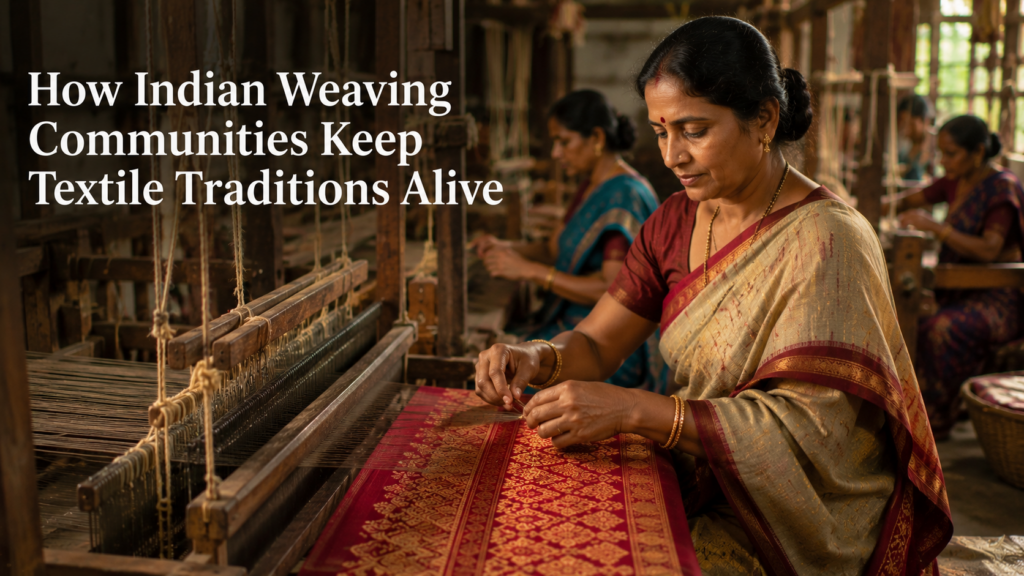
Indian Weaving Communities play a vital role in preserving the country’s rich textile heritage. For centuries, skilled artisans across India have passed down weaving techniques from one generation to the next, ensuring that traditional fabrics, patterns, and craftsmanship continue to thrive. From Banarasi silk and Kanchipuram sarees to Patola and Chanderi weaves, these communities are the backbone of India’s textile legacy. Today, despite the rise of mass production and fast fashion, Indian Weaving Communities remain committed to protecting traditional methods while adapting to modern market demands. Their dedication keeps centuries-old textile traditions alive and relevant in the contemporary fashion industry. Table of Contents Understanding India’s Textile Heritage The Importance of Indian Weaving Communities Traditional Skills Passed Through Generations Famous Weaving Communities Across India Challenges Faced by Weaving Communities How Modern Markets Support Traditional Weaving The Future of India’s Textile Traditions Frequently Asked Questions Conclusion Understanding India’s Textile Heritage India has one of the world’s oldest textile traditions. Historical records show that Indian fabrics were traded internationally centuries ago and were highly valued for their quality and artistry. Traditional textiles represent: Cultural identity Regional craftsmanship Artistic expression Community heritage Economic livelihood Because of this rich history, preserving traditional weaving remains essential for maintaining India’s cultural legacy. Why Indian Weaving Communities Matter Indian Weaving Communities serve as custodians of traditional textile knowledge. Their expertise extends beyond fabric production and includes dyeing, pattern creation, loom operation, and finishing techniques. These communities help: Preserve cultural heritage Support local economies Promote sustainable fashion Maintain traditional skills Create unique handcrafted textiles Without these artisans, many historic weaving traditions could disappear. Traditional Skills Passed Through Generations One of the most remarkable aspects of Indian weaving is the transfer of knowledge through generations. Family-Based Learning Many weaving families teach children traditional techniques from an early age, ensuring continuity of craftsmanship. Preservation of Regional Designs Specific motifs, patterns, and weaving methods are often unique to particular regions and communities. Handmade Excellence Unlike machine-produced fabrics, handwoven textiles reflect the artisan’s skill, patience, and attention to detail. As a result, Indian Weaving Communities continue to preserve techniques that have existed for centuries. Famous Indian Weaving Communities and Their Contributions Banarasi Weavers Located primarily in Varanasi, Banarasi weavers are renowned for creating luxurious silk fabrics featuring intricate zari work. Kanchipuram Weavers Tamil Nadu’s Kanchipuram weaving community is famous for producing elegant silk sarees known for durability and rich craftsmanship. Patola Weavers Patola artisans from Gujarat create highly intricate double-ikat textiles that require exceptional skill and precision. Chanderi Weavers The Chanderi weaving community produces lightweight fabrics admired for their transparency, elegance, and fine texture. Bhagalpur Silk Weavers Known as India’s Silk City, Bhagalpur is celebrated for its premium silk weaving traditions. These communities contribute significantly to India’s global reputation for textile excellence. How Indian Weaving Communities Preserve Textile Traditions Maintaining Traditional Looms Many artisans continue using handlooms that have been part of their families for generations. Protecting Ancient Techniques Complex weaving methods are carefully preserved and taught within communities. Supporting Cultural Festivals Traditional garments remain central to weddings, religious ceremonies, and cultural celebrations. Encouraging Artisan Collaboration Cooperatives and weaving organizations help artisans share knowledge and sustain their craft. Through these efforts, Indian Weaving Communities successfully keep textile traditions alive. Challenges Faced by Indian Weaving Communities Despite their importance, many weaving communities face significant challenges. Competition from Mass Production Machine-made textiles are often cheaper and produced more quickly. Changing Consumer Preferences Fast fashion trends can reduce demand for traditional handcrafted products. Rising Production Costs Raw materials and labor expenses continue to increase. Limited Market Access Many artisans struggle to reach broader national and international audiences. Addressing these challenges is essential for preserving India’s weaving heritage. How Modern Markets Support Traditional Weaving Fortunately, growing awareness of sustainable fashion has increased interest in handcrafted textiles. E-Commerce Opportunities Digital platforms allow artisans to connect directly with customers worldwide. Ethical Fashion Movement Consumers increasingly value handmade and responsibly produced products. Government Initiatives Various programs support handloom development and artisan welfare. Designer Collaborations Fashion designers often incorporate traditional weaves into contemporary collections. According to the Ministry of Textiles, initiatives promoting handloom products help strengthen artisan livelihoods and preserve traditional craftsmanship. Sustainability and Traditional Weaving Traditional weaving practices naturally align with sustainable fashion principles. Benefits include: Reduced industrial waste Lower energy consumption Minimal environmental impact Support for local economies Promotion of slow fashion As sustainability becomes more important, the work of Indian Weaving Communities gains even greater relevance. The Future of Indian Weaving Communities The future of India’s textile heritage depends on balancing tradition with innovation. Key opportunities include: Digital Marketing Online platforms provide wider visibility for artisan-made products. Global Demand International appreciation for handcrafted textiles continues to grow. Youth Participation Encouraging younger generations to learn weaving can help sustain traditions. Sustainable Fashion Growth The increasing popularity of ethical fashion supports traditional textile production. These developments offer hope for the long-term preservation of India’s weaving heritage. The Role of Fabric Selection in Creating Premium Ethnic Wear Reveals the Craftsmanship Behind Luxury Saree Collections Why Sarees Continue to Be a Symbol of Grace and Elegance Frequently Asked Questions What are Indian Weaving Communities? Indian Weaving Communities are groups of skilled artisans who create traditional textiles using specialized weaving techniques passed down through generations. Why are traditional weaving communities important? They preserve cultural heritage, support local economies, and maintain centuries-old textile craftsmanship. Which Indian regions are famous for weaving? Varanasi, Kanchipuram, Chanderi, Bhagalpur, and Patan are among India’s most renowned weaving centers. How do weaving communities support sustainable fashion? Traditional weaving often uses low-energy production methods and promotes durable, handcrafted textiles. Conclusion Indian Weaving Communities are the guardians of India’s extraordinary textile heritage. Through dedication, skill, and a deep commitment to tradition, these artisans continue to preserve weaving techniques that have shaped Indian culture for centuries. Their work not only supports local livelihoods but also keeps ancient craftsmanship alive in a rapidly changing world. As consumers increasingly appreciate authenticity, sustainability, and quality, Indian Weaving Communities will continue to play an essential

Fabric Selection in Premium Ethnic Wear
Blog

Fabric Selection in Premium Ethnic Wear: 7 Powerful Ways It Defines Luxury Fashion

Fabric Selection in Premium Ethnic Wear is one of the most important factors that determine the overall quality, comfort, appearance, and longevity of a garment. While embroidery, design, and craftsmanship contribute significantly to the final look, the fabric serves as the foundation of every premium ethnic outfit. Whether it is a luxurious silk saree, an elegant lehenga, or a designer salwar suit, the choice of fabric directly impacts how the garment feels, drapes, and performs over time. Today’s consumers are increasingly aware of quality and craftsmanship. As a result, fabric selection has become a key consideration when purchasing premium ethnic wear. Understanding the role of fabrics helps buyers make informed decisions while appreciating the artistry behind luxury fashion. Table of Contents Why Fabric Selection Matters The Relationship Between Fabric and Luxury Comfort Benefits of Premium Fabrics How Fabrics Influence Durability Fabric Selection and Garment Drape Popular Fabrics Used in Premium Ethnic Wear Sustainable Fabric Choices Frequently Asked Questions Conclusion Why Fabric Selection in Premium Ethnic Wear Matters The quality of fabric determines the overall experience of wearing ethnic clothing. Premium fabrics provide superior comfort, visual appeal, durability, and elegance. Even the most intricate embroidery cannot compensate for poor fabric quality. Benefits include: Better comfort Enhanced appearance Improved breathability Superior durability Luxurious feel Long-lasting value Therefore, Fabric Selection in Premium Ethnic Wear serves as the foundation upon which every luxury garment is built. The Relationship Between Fabric and Luxury Luxury ethnic wear is often distinguished by the quality of its materials. Premium fabrics immediately create a sense of sophistication and exclusivity. High-end ethnic fashion brands prioritize: Superior Raw Materials The finest fibers produce fabrics with better texture, strength, and appearance. Advanced Weaving Techniques Precision weaving enhances durability and visual richness. Expert Finishing Premium finishing processes improve softness, shine, and draping characteristics. Because of these factors, luxury garments feel noticeably different from ordinary clothing. Comfort Benefits of Fabric Selection in Premium Ethnic Wear Comfort is a major factor that influences customer satisfaction. A garment may look beautiful, but if it is uncomfortable, its value decreases significantly. Breathability Natural fabrics such as cotton and silk allow air circulation, helping maintain comfort during long celebrations and events. Softness Premium fabrics feel gentle against the skin and reduce irritation. Lightweight Feel Quality fabrics provide elegance without unnecessary weight. Temperature Regulation Many premium fabrics help maintain comfort in different weather conditions. As a result, Fabric Selection in Premium Ethnic Wear directly contributes to an enjoyable wearing experience. How Fabric Selection in Premium Ethnic Wear Influences Durability Durability is another key characteristic of premium garments. Consumers expect luxury ethnic wear to maintain its beauty for years. Quality fabrics help garments: Retain shape Preserve color Resist damage Support embellishments Maintain structure Consequently, investing in superior fabrics often provides better long-term value. Fabric Selection and Garment Drape Drape refers to how fabric falls and moves around the body. It is one of the defining characteristics of elegant ethnic wear. Silk Drape Silk creates graceful folds and a sophisticated appearance. Georgette Drape Georgette offers fluid movement and lightweight elegance. Chiffon Drape Chiffon creates a delicate and feminine silhouette. Cotton Drape Premium cotton provides structure while maintaining comfort. Designers carefully evaluate draping characteristics before selecting fabrics for premium collections. Popular Fabrics Used in Premium Ethnic Wear Silk Silk remains one of the most prestigious fabrics in ethnic fashion. Advantages: Natural sheen Rich texture Excellent durability Elegant drape Cotton Premium cotton is widely appreciated for comfort and versatility. Benefits: Breathability Softness Easy maintenance Everyday comfort Georgette Georgette is frequently used for designer sarees and contemporary ethnic outfits. Features: Lightweight Wrinkle resistant Elegant flow Versatile styling Chiffon Chiffon adds grace and sophistication to festive garments. Benefits: Airy texture Soft movement Lightweight comfort Organza Organza has become increasingly popular in luxury ethnic fashion. Advantages: Premium appearance Structured elegance Modern aesthetic How Premium Fabrics Enhance Embroidery Ethnic wear often includes: Zari work Sequins Beadwork Stone embellishments Hand embroidery Premium fabrics provide the strength needed to support these decorative elements without compromising comfort or durability. Therefore, Fabric Selection in Premium Ethnic Wear plays a critical role in preserving craftsmanship and enhancing visual appeal. Sustainable Fabric Choices in Modern Ethnic Fashion The fashion industry is increasingly embracing sustainability. Popular sustainable options include: Organic Cotton Produced using environmentally responsible farming methods. Natural Fibers Biodegradable materials reduce environmental impact. Responsible Manufacturing Ethical production practices improve sustainability while maintaining premium quality standards. Consumers today increasingly seek garments that combine luxury with environmental responsibility. How Manufacturers Ensure Fabric Quality Leading ethnic wear brands follow strict quality control procedures. These typically include: Fiber Testing Raw materials are inspected for consistency and purity. Weaving Inspection Fabric construction is evaluated for strength and uniformity. Dye Quality Assessment Testing ensures long-lasting colors. Durability Evaluation Manufacturers verify fabric performance under real-world conditions. According to industry standards promoted by textile organizations, rigorous testing helps maintain garment quality and customer satisfaction. Why Sarees Continue to Be a Symbol of Grace and Elegance Reveals the Craftsmanship Behind Luxury Saree Collections How Textile Innovation Is Transforming Ethnic Fashion Frequently Asked Questions Why is fabric selection important in premium ethnic wear? Fabric selection determines comfort, appearance, durability, and overall garment quality. Which fabric is best for luxury ethnic wear? Silk is often considered the most luxurious option due to its sheen, texture, and elegant drape. Does fabric affect the lifespan of ethnic garments? Yes. High-quality fabrics generally offer better durability, color retention, and structural integrity. Are sustainable fabrics suitable for premium ethnic wear? Absolutely. Organic cotton and natural fibers can provide both luxury and environmental benefits. Conclusion Fabric Selection in Premium Ethnic Wear remains one of the most influential factors in creating garments that combine beauty, comfort, durability, and elegance. From luxurious silk and breathable cotton to flowing georgette and sophisticated organza, every fabric contributes uniquely to the overall character of ethnic fashion. As consumers become more quality-conscious, understanding the importance of fabric selection helps them appreciate the craftsmanship behind premium garments. Ultimately, the right fabric transforms traditional attire into

Role of Fabric Selection in Creating Premium Ethnic Wear
Blog

The Role of Fabric Selection in Creating Premium Ethnic Wear

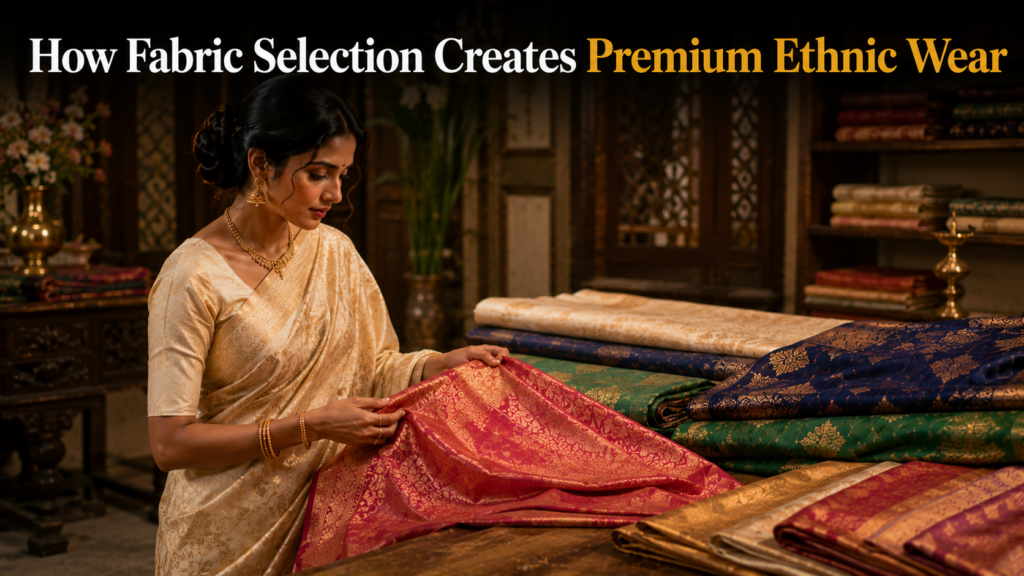
Premium ethnic wear is admired for its elegance, comfort, craftsmanship, and timeless appeal. While design, embroidery, and styling often attract immediate attention, the true foundation of luxury ethnic fashion lies in the fabric itself. Understanding the Role of Fabric Selection in Creating Premium Ethnic Wear helps consumers appreciate why certain garments stand apart in terms of quality, durability, and overall appearance. Whether it is a luxurious silk saree, an intricately embroidered lehenga, a sophisticated salwar suit, or a contemporary ethnic ensemble, the choice of fabric significantly influences the final product. Premium ethnic wear brands carefully select textiles that not only look beautiful but also enhance comfort, longevity, and craftsmanship. In this guide, we explore the Role of Fabric Selection in Creating Premium Ethnic Wear and why fabric remains one of the most important elements in luxury fashion. Why the Role of Fabric Selection in Creating Premium Ethnic Wear Matters Fabric serves as the foundation of every garment. Even the most stunning design cannot achieve its full potential if the fabric lacks quality. The Role of Fabric Selection in Creating Premium Ethnic Wear affects: Overall appearance Comfort and wearability Durability Drape and movement Embroidery quality Luxury appeal Premium fabrics allow designers and artisans to create garments that maintain their beauty over time while providing exceptional comfort. Fabric Quality Determines the First Impression One of the most visible aspects of luxury ethnic wear is the fabric’s appearance. High-quality fabrics often feature: Rich textures Natural sheen Smooth finishes Superior color depth Elegant drape These characteristics immediately distinguish premium garments from mass-produced alternatives. The Role of Fabric Selection in Creating Premium Ethnic Wear begins with creating a strong visual impact that reflects sophistication and craftsmanship. Silk Remains a Preferred Choice for Premium Ethnic Wear Silk has long been associated with luxury and tradition. Popular silk varieties include: Banarasi Silk Kanjivaram Silk Tussar Silk Organza Silk Raw Silk Chanderi Silk These fabrics are valued for their: Natural luster Soft texture Durability Rich appearance Elegant draping qualities Silk continues to play a central role in the Role of Fabric Selection in Creating Premium Ethnic Wear due to its timeless appeal and versatility. Fabric Influences Comfort and Wearability Luxury fashion should not only look beautiful but also feel comfortable. Premium fabrics provide: Better breathability Improved moisture management Lightweight comfort Enhanced flexibility Soft skin contact Comfort becomes especially important during weddings, festivals, and extended celebrations where garments are worn for long hours. The Role of Fabric Selection in Creating Premium Ethnic Wear extends beyond aesthetics to ensure an enjoyable wearing experience. Fabric Selection Impacts Garment Durability Durability is one of the key characteristics that define premium ethnic wear. High-quality fabrics resist: Tearing Stretching Fading Pilling Premature wear Consumers investing in luxury ethnic garments expect them to maintain their beauty for years. Proper fabric selection ensures that garments remain elegant even after repeated use and careful maintenance. Embroidery Quality Depends on Fabric Choice Many premium ethnic garments feature intricate embellishments and embroidery. These may include: Zari work Resham embroidery Sequins Beadwork Mirror work Handcrafted detailing The fabric must be strong enough to support these decorative elements without losing its structure. The Role of Fabric Selection in Creating Premium Ethnic Wear becomes especially important when incorporating complex artisan craftsmanship. Fabric Determines the Garment’s Drape Drape refers to the way fabric falls and moves around the body. Premium fabrics create: Graceful silhouettes Elegant movement Flattering fits Refined styling For garments such as sarees, lehengas, and anarkalis, drape significantly influences overall appearance. Designers carefully select fabrics that enhance the intended silhouette while maintaining comfort and elegance. Traditional Textiles Add Cultural Value Ethnic wear is deeply connected to cultural heritage. Traditional fabrics such as: Banarasi Silk Kanjivaram Silk Chanderi Handloom Cotton Patola Weaves Linen Handlooms carry historical and artistic significance. These textiles represent generations of craftsmanship and contribute to the authenticity of premium ethnic fashion. The Role of Fabric Selection in Creating Premium Ethnic Wear includes preserving these valuable textile traditions. Color Performance Depends on Fabric Quality Premium fabrics absorb and display color differently than lower-quality materials. Benefits include: Richer tones Better color retention Enhanced vibrancy Uniform dye absorption Luxury ethnic wear often features intricate color combinations that rely on superior fabric performance. This contributes significantly to the garment’s overall visual appeal. Sustainable Fashion Begins with Better Fabrics Sustainability has become increasingly important in modern fashion. Many premium ethnic wear brands prioritize fabrics that offer: Long lifespan Responsible sourcing Reduced waste Artisan production methods Natural fibers Durable garments encourage mindful consumption and reduce the need for frequent replacements. The Role of Fabric Selection in Creating Premium Ethnic Wear aligns closely with sustainable fashion principles. Fabric Selection Supports Artisan Craftsmanship Artisans rely on quality fabrics to showcase their skills effectively. Premium textiles provide a better foundation for: Hand weaving Embroidery Block printing Dyeing techniques Surface embellishments The combination of superior materials and skilled craftsmanship creates garments that reflect exceptional quality. This relationship highlights the importance of fabric selection in luxury ethnic fashion. Innovation in Premium Ethnic Wear Fabrics Modern textile innovation continues to enhance ethnic fashion. Emerging developments include: Lightweight silk blends Sustainable natural fibers Improved fabric durability Advanced weaving techniques Eco-friendly textile processing These innovations allow designers to maintain traditional aesthetics while meeting modern consumer expectations. The future of premium ethnic wear will continue to be shaped by advancements in fabric technology. Why Consumers Should Pay Attention to Fabric Selection When purchasing premium ethnic wear, consumers often focus on design and embellishments. However, evaluating fabric quality provides valuable insights into: Garment longevity Comfort level Craftsmanship quality Maintenance requirements Overall value Understanding the Role of Fabric Selection in Creating Premium Ethnic Wear helps buyers make informed decisions and appreciate the true value of luxury garments. Conclusion The Role of Fabric Selection in Creating Premium Ethnic Wear is fundamental to every aspect of luxury fashion. From comfort and durability to craftsmanship and aesthetics, fabric influences how a garment looks, feels, and performs over time. Premium fabrics provide the ideal foundation for exceptional design, intricate

Scroll to Top